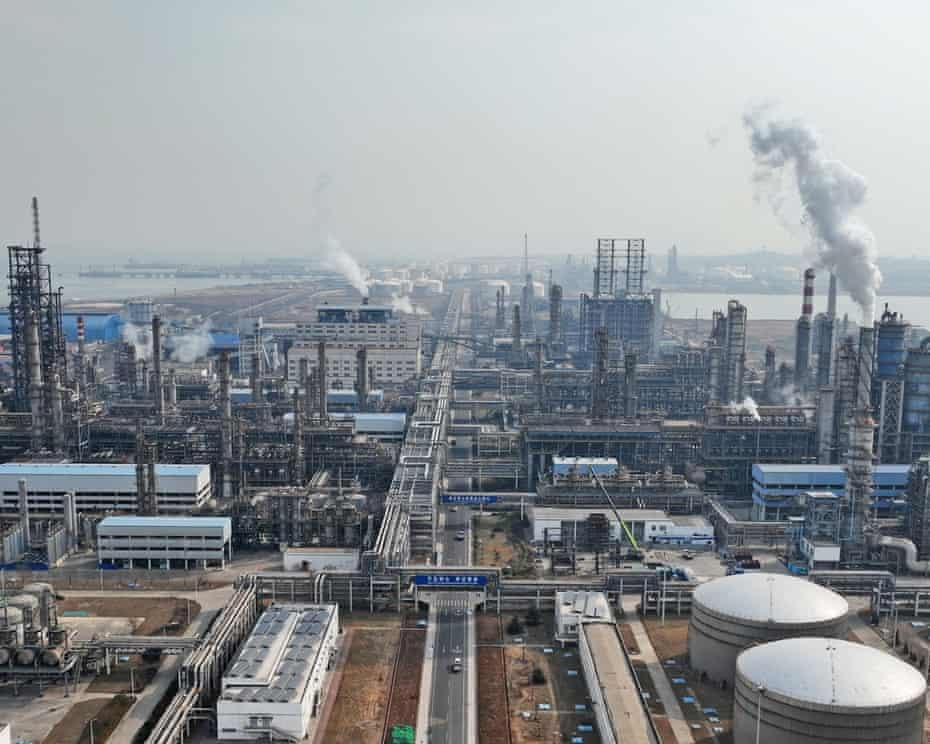
The global energy landscape is currently weathering a period of unprecedented volatility. Following the geopolitical shifts in the Middle East earlier this year, the spotlight has turned to an unlikely hero in China’s industrial heartland: the "teapot" refineries of Shandong.
While often overshadowed by state-owned giants, these independent refineries are proving to be the silent engine of China’s energy security. Accounting for approximately 25% of the nation’s total refining capacity, they provide the essential petrol and diesel required to keep the world’s second-largest economy moving.
A Unique Strategic Position
In the wake of the US-Israel strikes on Iran and the subsequent disruption in the Strait of Hormuz, the "teapots" have maintained a steady flow of Iranian crude. Unlike state-backed firms that must navigate the complexities of the US dollar-based financial system, these independent operators cater primarily to a domestic market. This has allowed China to absorb over 80% of Iranian oil exports, securing a vital supply line while other nations face severe shortages.
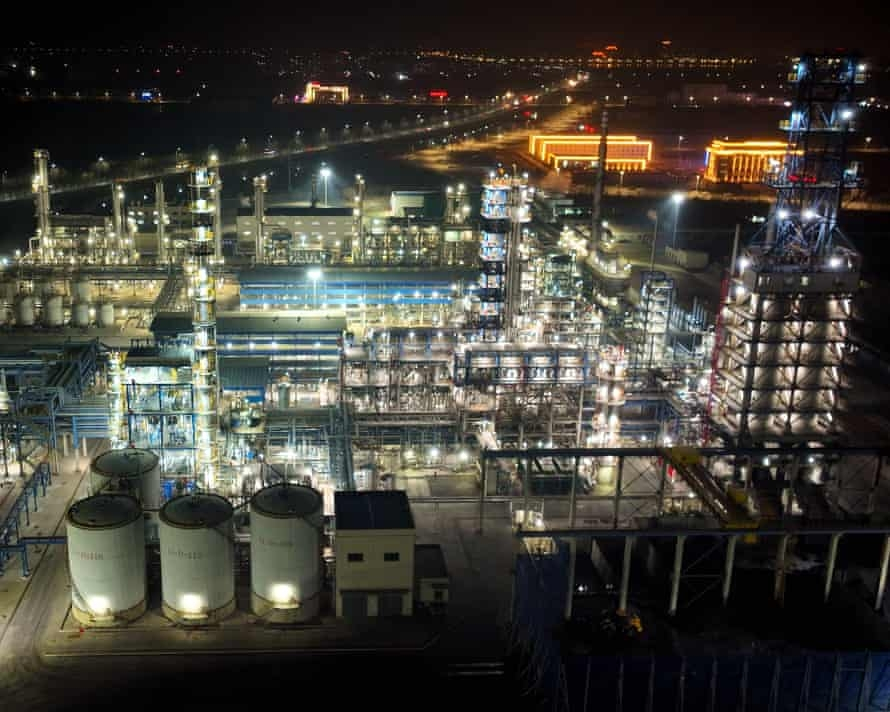
Rising Pressures and Razor-Thin Margins
Despite their resilience, the economic environment is becoming increasingly hostile for these smaller players:
Narrowing Discounts: Iranian light crude, once a bargain at $11 below Brent prices, has seen its discount shrink to as little as $2, even as global prices soar.
Operational Strains: Rising raw material costs are eating into margins that were already "razor-sharp," leading to reduced output and labor concerns at major hubs like Luqing Petrochemical.
Government Intervention: To protect consumers, the Chinese government has stepped in to cap retail fuel prices, placing the financial burden directly on the refiners' shoulders.
The Road Ahead: War vs. Innovation
While the immediate threat is the regional conflict in the Middle East, a more permanent shift is on the horizon. As local operators like "Uncle Wang" note, the long-term challenge to the traditional oil model isn't just geopolitics—it’s the rapid domestic transition to electric vehicles (EVs).
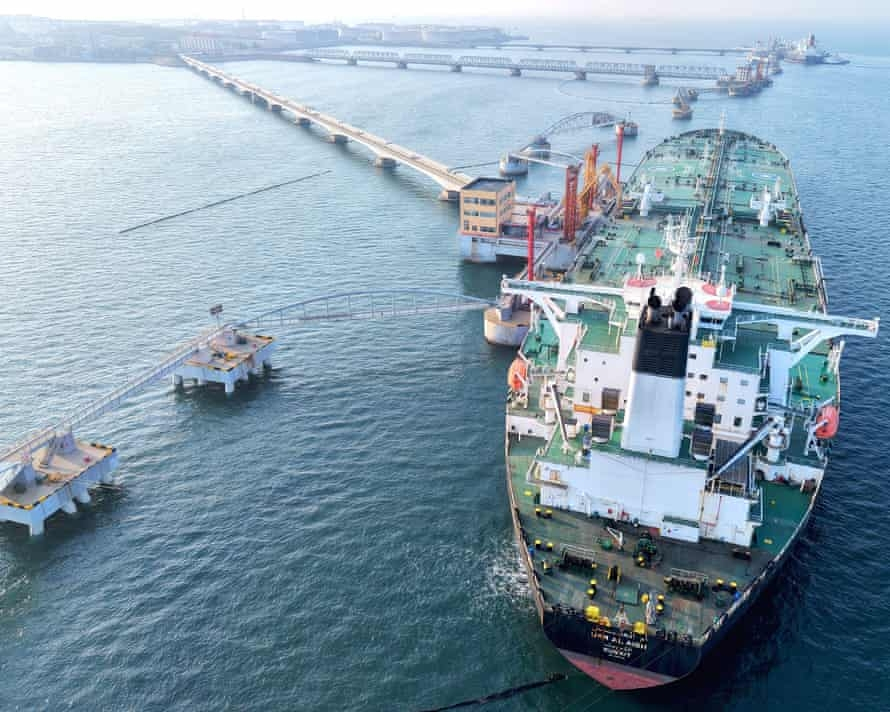
The coming months will be a test of endurance for Shandong’s independent sector. Can these refineries adapt to high-cost crude and a changing energy mix, or will the 2026 crisis mark the beginning of a consolidation phase for China's independent energy market?
#EnergySecurity #GlobalEconomy2026 #OilAndGas #ChinaIndustry #Geopolitics