


I think the real edge is hiding in the boring-looking part nobody wants to post about: schemas.
Last night I went through the docs again at stupid o’clock, tabs open everywhere, and that’s what kept hitting me. Not the token. Not the campaign noise. The structure underneath it. Because fr, crypto keeps pretending trust problems get solved by more wallets, more dashboards, more snapshots. They don’t. They get solved when a claim becomes readable, verifiable, and reusable across systems without turning into screenshot theatre.
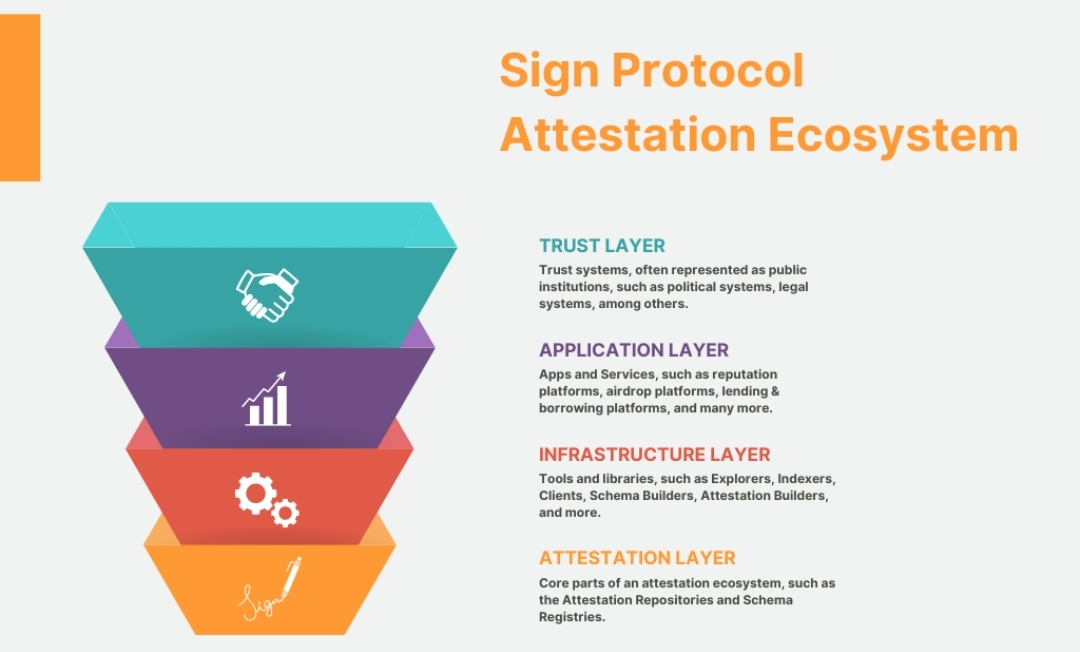
That’s why I’m getting more bullish on $SIGN from the schema angle than from the usual “trust layer” one-liner. Sign Protocol describes its evidence layer around two core primitives: schemas, which define how structured data is represented, and attestations, which are signed records that conform to those schemas . On paper that sounds dry. In practice, that’s the difference between “someone said this wallet is eligible” and “any app can verify why it’s eligible, who issued that proof, and what standard it followed” .
And that matters way more than people think.
Most crypto systems still rely on messy proof:
random CSV exports, Discord role checks, wallet clustering, manual review, form submissions, and vibes dressed up as eligibility. If the data format is inconsistent, the proof is weak even when the intention is good. Sign starts looking powerful when you realize the moat may not be the attestation itself, but the standardization of the fact being attested.
Here’s the sharp version:
A schema gives a claim a fixed shape, so verification becomes machine-readable instead of human-chaotic.
That makes airdrops, credentials, compliance checks, and reputation systems easier to automate without rewriting logic every single time.
$SIGN Protocol also supports fully on-chain records, off-chain payloads with verifiable anchors, and hybrid or privacy-enhanced modes, which means builders can choose the right trust model instead of forcing everything into one lane.
TokenTable and EthSign make the ecosystem deeper than one primitive alone, because the docs position TokenTable for allocations, vesting, and large-scale distributions, while EthSign handles agreement and signature workflows that create verifiable proof of execution.
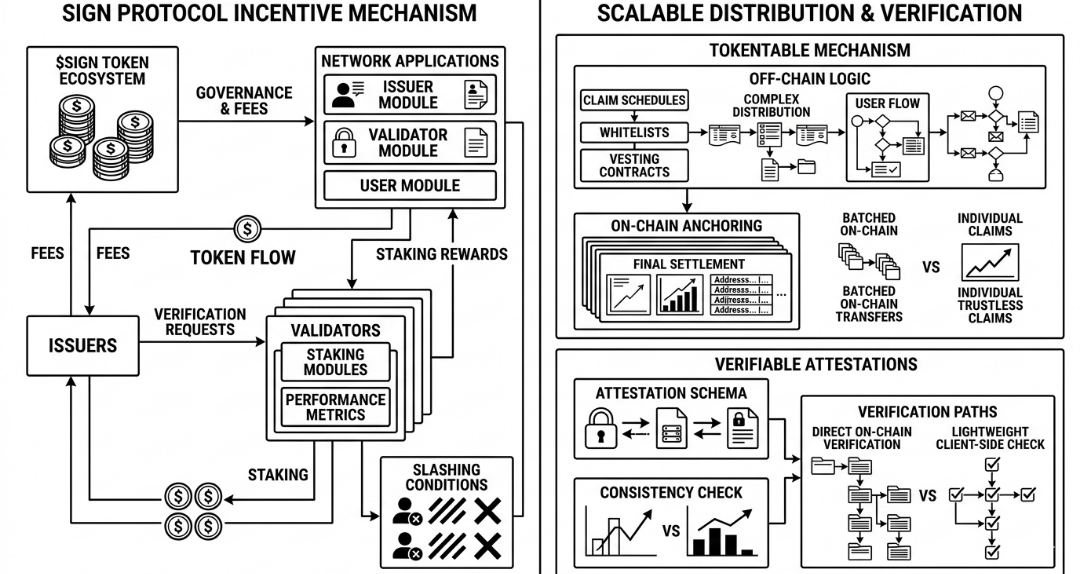
That last part is where I think the market still isn’t fully awake. If facts become programmable, capital movement gets cleaner. If capital movement gets cleaner, distribution gets more auditable. If distribution gets more auditable, entire sectors of crypto stop leaking value through bad targeting, fake eligibility, duplicate claims, and endless trust assumptions. That’s not a small unlock. That’s infra.
And hear me out: this is also why I think Sign can outperform generic token shilling content on Square. Infra posts usually flop when they read like docs. But when the angle is “schemas are the hidden engine behind verifiable money, identity, and distribution,” suddenly the reader has something to save, argue with, and come back to. It stops being a token post and starts becoming a framework post.
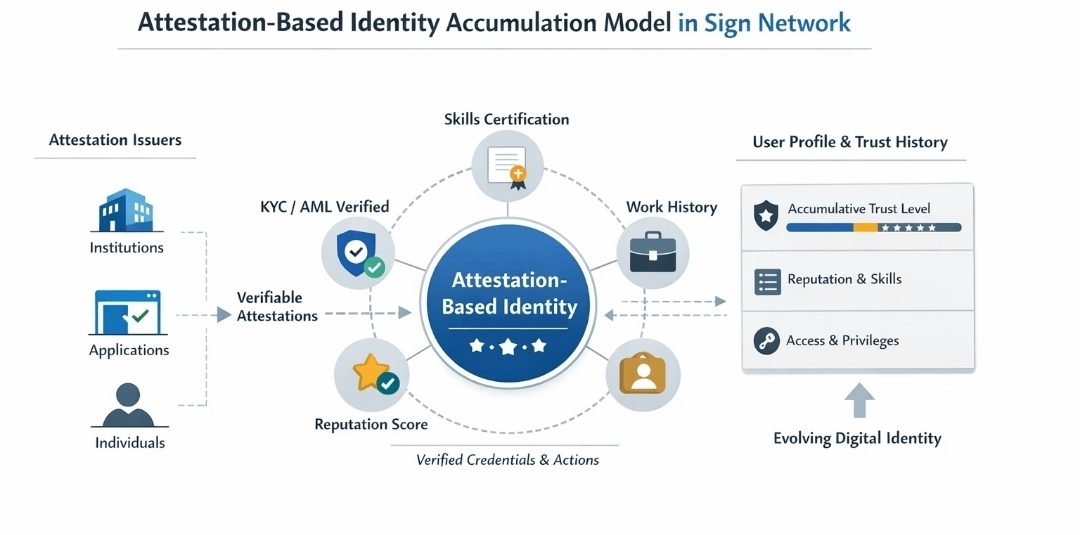
My biggest bullish take on Sign right now is simple: crypto does not just need proof. It needs proof that machines can understand.
My biggest skeptical take? Standards only become powerful when enough builders actually adopt them. So the upside here is huge, but the real scorecard is whether $SIGN becomes embedded in flows people already care about, not whether everyone tweets the word “attestation” for two weeks.
One line I keep coming back to:
The next big crypto moat may not be who owns the data, but who defines the schema that makes the data usable.
That’s why I’m watching SIGN so closely. Not just as a token. As a bet on programmable facts.
#SignDigitalSovereignInfra @SignOfficial
What do you think becomes SIGN’s first undeniable breakout use case: Sybil-resistant airdrops, portable credentials, auditable distributions, or something even bigger?