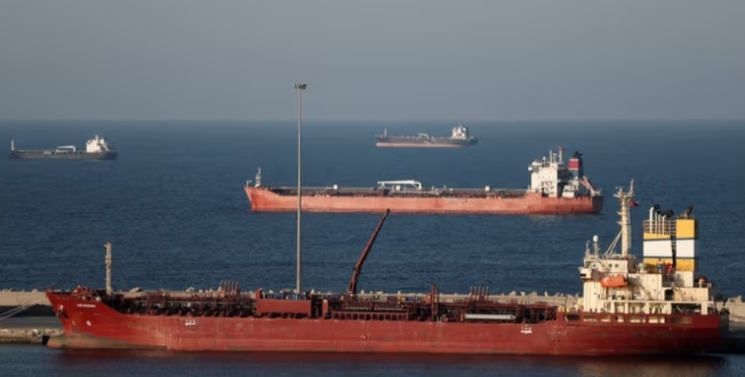
As the world’s attention shifts toward the Strait of Hormuz—the narrow waterway currently at the center of the US-Israel war on Iran—a massive new project is gaining traction at the other end of the Mediterranean.
Africa is eyeing its own strategic "Strait" with a €20 billion Spain–Morocco corridor. This ambitious project isn't just a tunnel; it’s a direct response to the global chokepoint risks that are currently strangling world energy and trade.
The Mediterranean Bridge: Spain and Morocco’s Bold Move
While the Middle East faces an unprecedented energy blockade, Spain and Morocco are fast-tracking a fixed link across the Strait of Gibraltar. This corridor aims to create a permanent, secure connection between Europe and Africa, bypassing the volatile maritime routes that have recently paralyzed global logistics.
Why This Project is the New Global Priority
Security of Supply: As the Strait of Hormuz remains a "no-go" zone for many tankers, the world is desperate for safer alternatives. This corridor would allow for the direct flow of goods, green hydrogen, and electricity between two continents without relying on vulnerable sea lanes.
The €20 Billion Bet: This massive investment is designed to handle millions of passengers and tons of cargo every year. It’s no longer just a dream; it’s a survival strategy for a world that can no longer afford to have its energy "throat" squeezed.
A "Chokepoint-Proof" Future: By building a physical bridge (or tunnel) between Spain and Morocco, the global economy gains a high-speed, land-based backup. This reduces the power that any single regional conflict has over the world's dinner tables and gas tanks.
The world is redesigning its map. The €20 billion Spain–Morocco corridor is more than just infrastructure—it’s a clear sign that the era of relying on a few dangerous chokepoints is ending. Until these new routes are ready, expect the markets to remain a wild ride.
#AsiaStocksPlunge #OilRisesAbove$116 #BTCETFFeeRace #BitcoinPrices #JobsDataShock $XRP $BNB $GIGGLE