
Terra Classic (LUNC) is currently faces one key challenge: fragmented and shallow liquidity at on-chain volumes. Most traders want tighter spreads, better execution, deeper liquidity, and more control over their strategies.
This is why Garuda DeFi as one of the innovative DEX on LUNC is now preparing a major upgrade on this May : transforming into a hybrid DEX combining Orderbook + Aggregator + Smart Router.
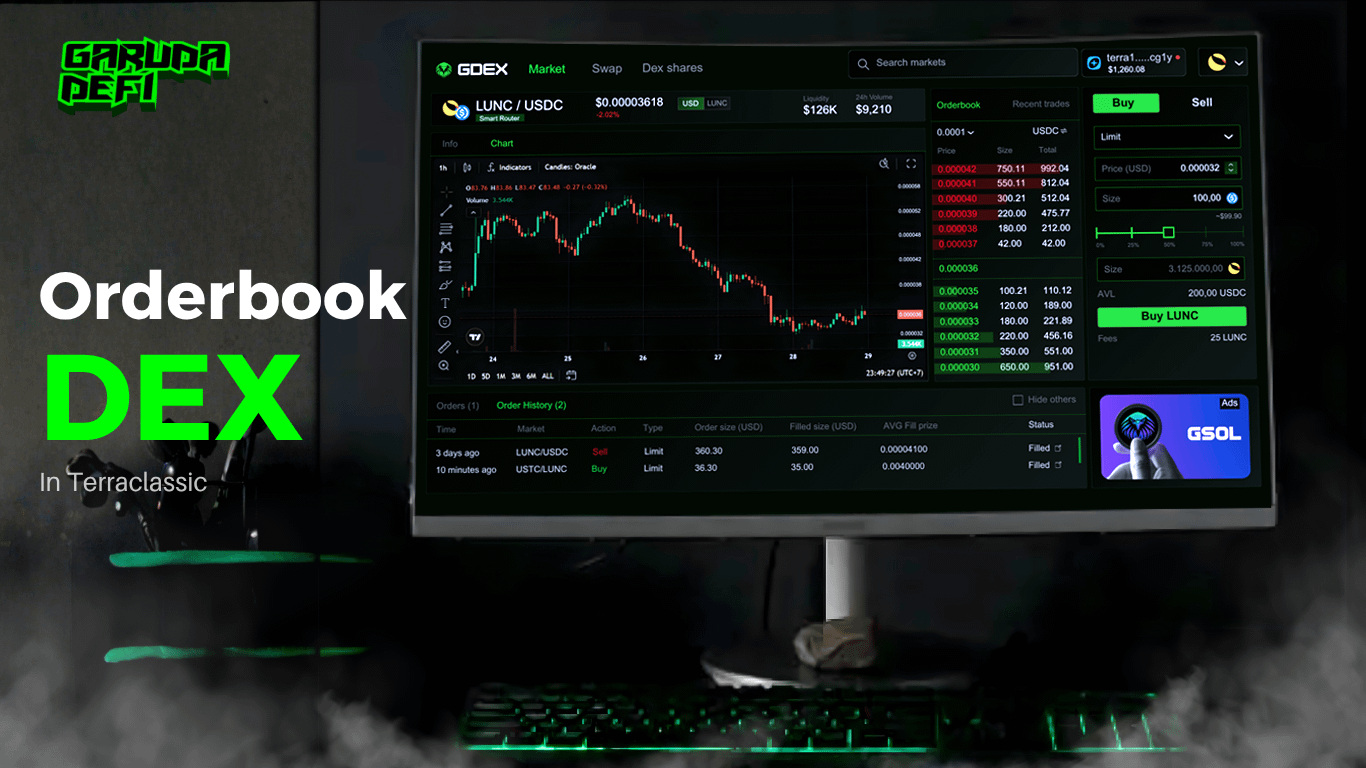
Understanding the Orderbook
AMM (Automated Market Maker) is the most common system used by DEXs today. Instead of matching buyers and sellers directly, trades happen against a liquidity pool.
An orderbook is a system where buyers and sellers place orders at specific prices, and trades happen when they match.
Example:
" You place a buy order at a lower price and someone else sells at that price → trade executed "
Although it provides more precise pricing and better for advanced traders but it still required liquidity and active orders.
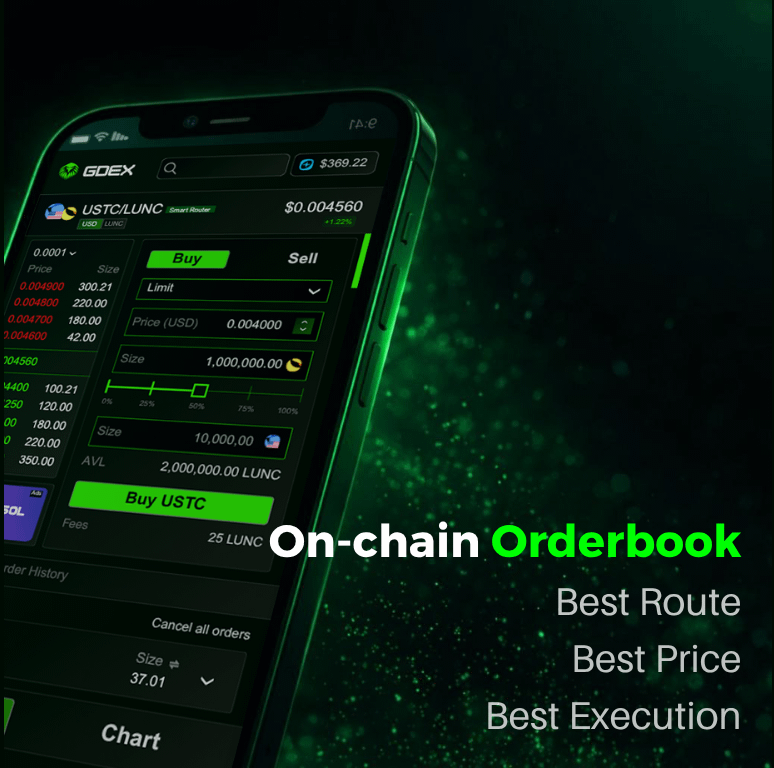
What is a DEX Aggregator and Smart Router ?
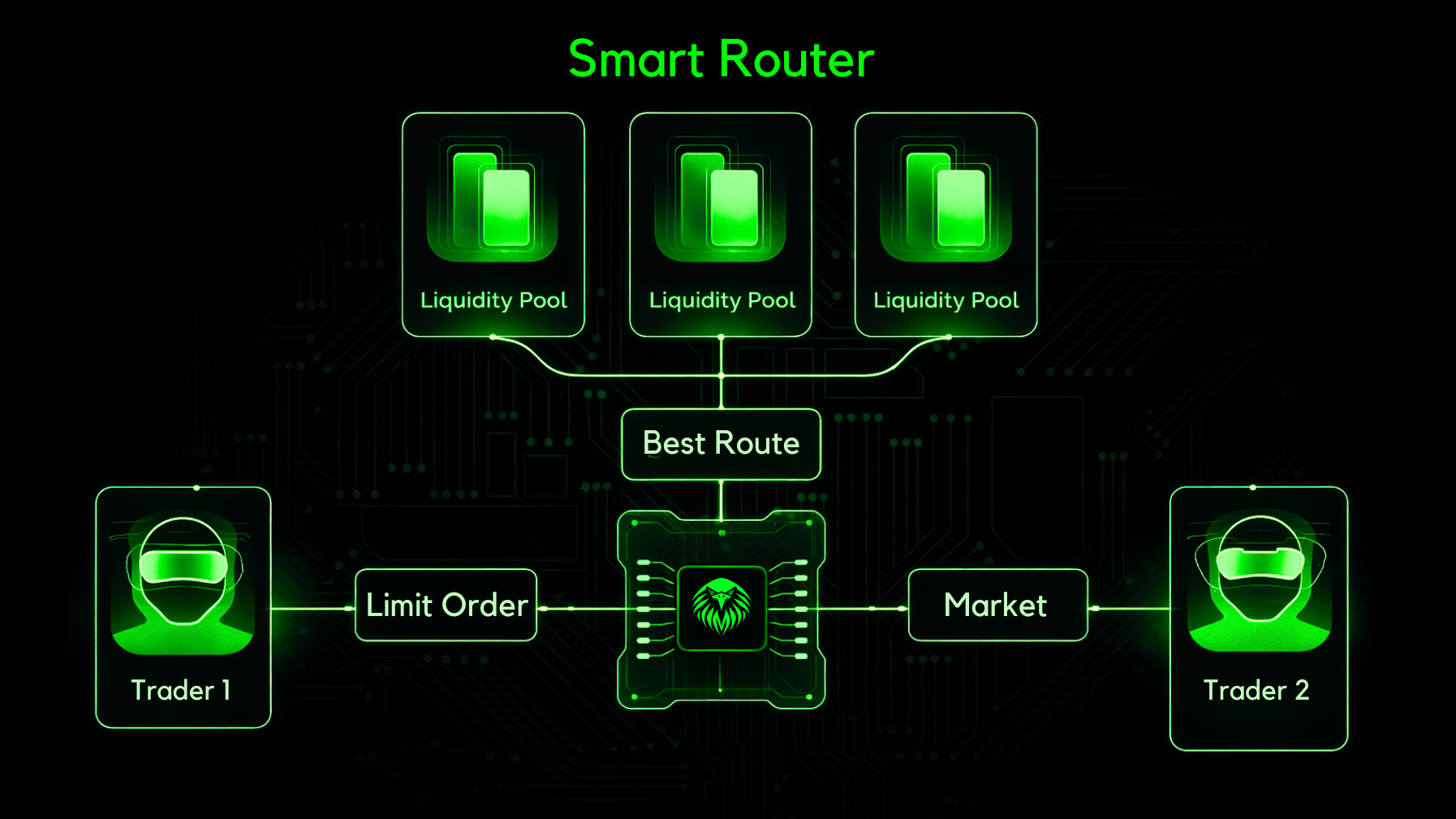
An aggregator scans multiple liquidity sources (different pools or routes) to find the best possible price for your trade.
A smart router is the “brain” behind the aggregator. It automatically decides:
Which pools to use
How to split your trade
The most efficient route
All in real-time, instead of using one pool, it can split your trade across several paths to optimizes every transaction, saves cost and improves efficiency.
Why This Matters for LUNC ?
By combining AMM + Orderbook + Aggregation, Garuda DeFi introduces a hybrid trading model that is rarely available on-chain :
Connecting liquidity across pools
Reducing slippage for traders
Improving price discovery
Increasing trading efficiency
So this is not just a feature upgrade, It is an infrastructure step toward to bring more professional trading tools for better capital efficiency and liquidity hub on Terra Classic (LUNC) where every trade should finds the best route, the best price, and the best execution.

