


Most people are still trying to value SIGN like it’s just another campaign token. I think that’s the lazy read.
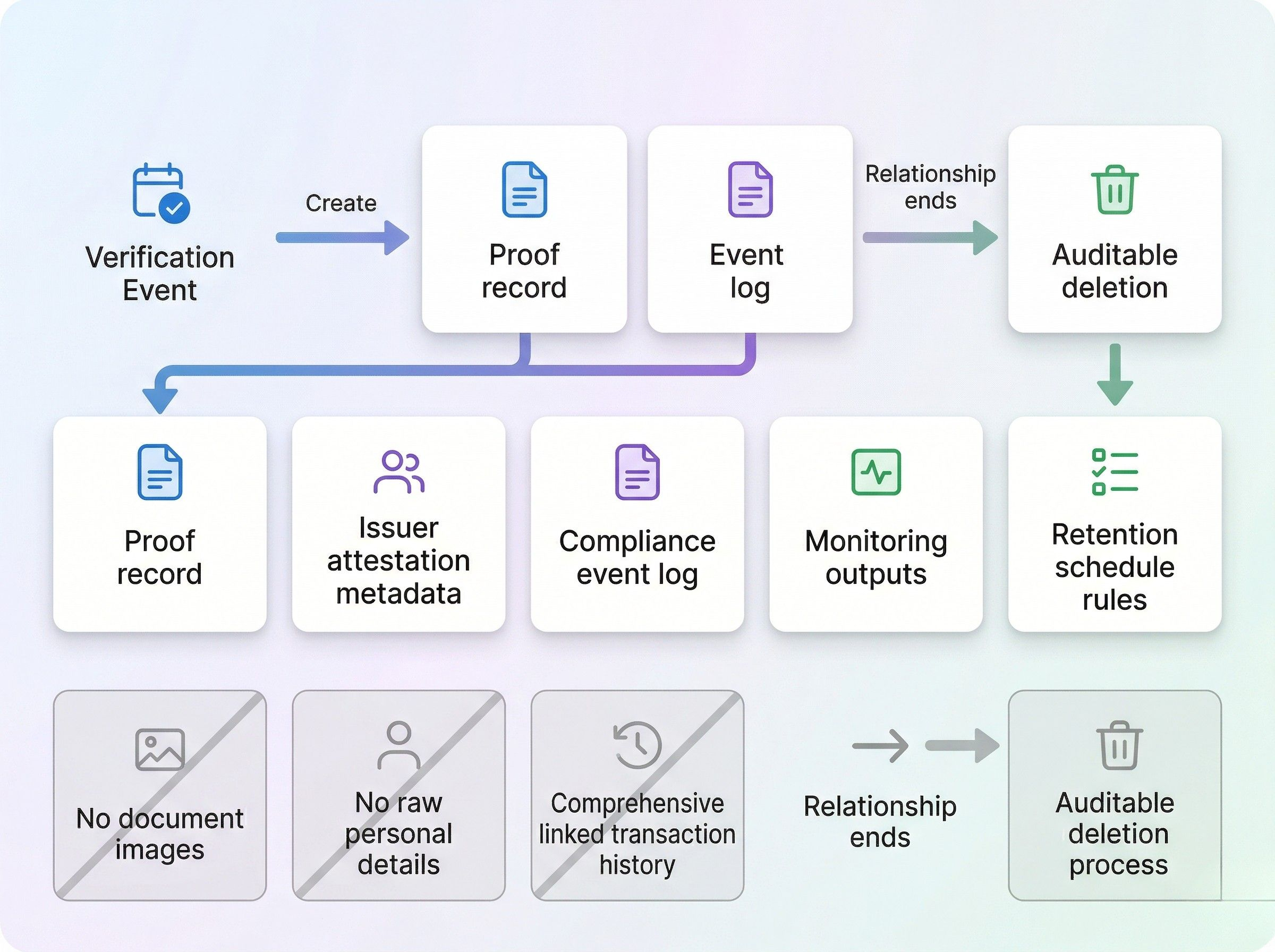
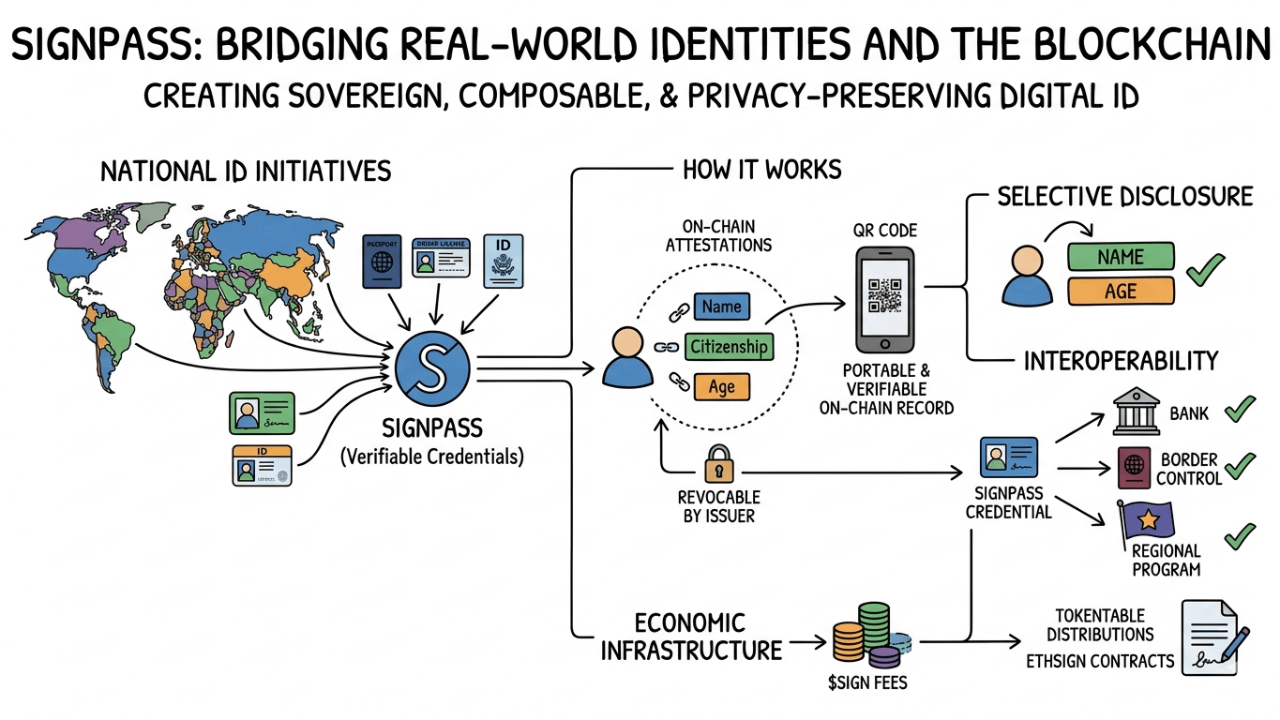
Last night I went through the docs again at around 2 AM, half dead, tabs everywhere, and one thing kept hitting me: $SIGN makes way more sense when you stop thinking about “content,” “identity,” or even “airdrop tooling” in isolation and start thinking about programmable facts. Sign Protocol is built as an evidence and verification layer that standardizes facts through schemas, ties them to issuers and subjects, supports selective disclosure, and allows public, private, or hybrid attestations with immutable audit references.
That sounds dry at first. But fr, this is exactly where the real moat can hide.
Crypto keeps pretending that transparency alone solves trust. It doesn’t. A wallet can be public and still tell you almost nothing useful. A protocol can spray rewards onchain and still have no clean way to prove who qualified, what they did, when they did it, and which rules were used to decide it. What caught my attention with SIGN is that the stack is trying to make those facts machine-readable instead of leaving them as screenshots, spreadsheets, Discord mod decisions, or “bro trust us” threads. Sign Protocol explicitly focuses on schemas, verifiable attestations, selective disclosure, and audit references, which is basically the toolkit you need if proof is supposed to become operational instead of symbolic.
That matters way beyond one narrative cycle.
Think about how many crypto systems break because proof is messy:
Airdrops get farmed because eligibility logic is weak or impossible to audit cleanly.
Credentials stay siloed because one app can’t easily read and trust what another app issued.
Compliance becomes painful because teams either over-collect user data or under-prove everything.
Capital distribution gets political fast when recipients can’t independently verify the criteria.
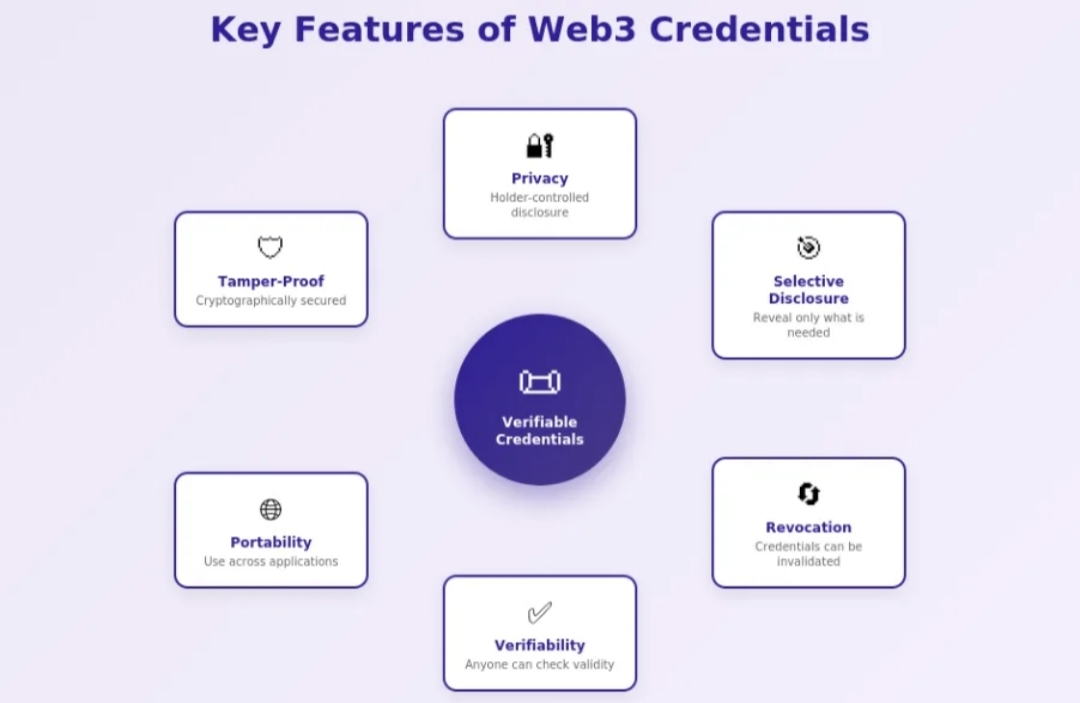
This is why I’m getting more interested in $SIGN as infrastructure than as a pure token trade. If facts can be expressed in a common schema, cryptographically attached to a source, selectively revealed only when needed, and referenced later for audits, then a lot of Web3 coordination suddenly gets less chaotic. That’s not a tiny feature set; that’s the difference between “recorded onchain” and “actually usable as evidence by apps, organizations, and markets.”
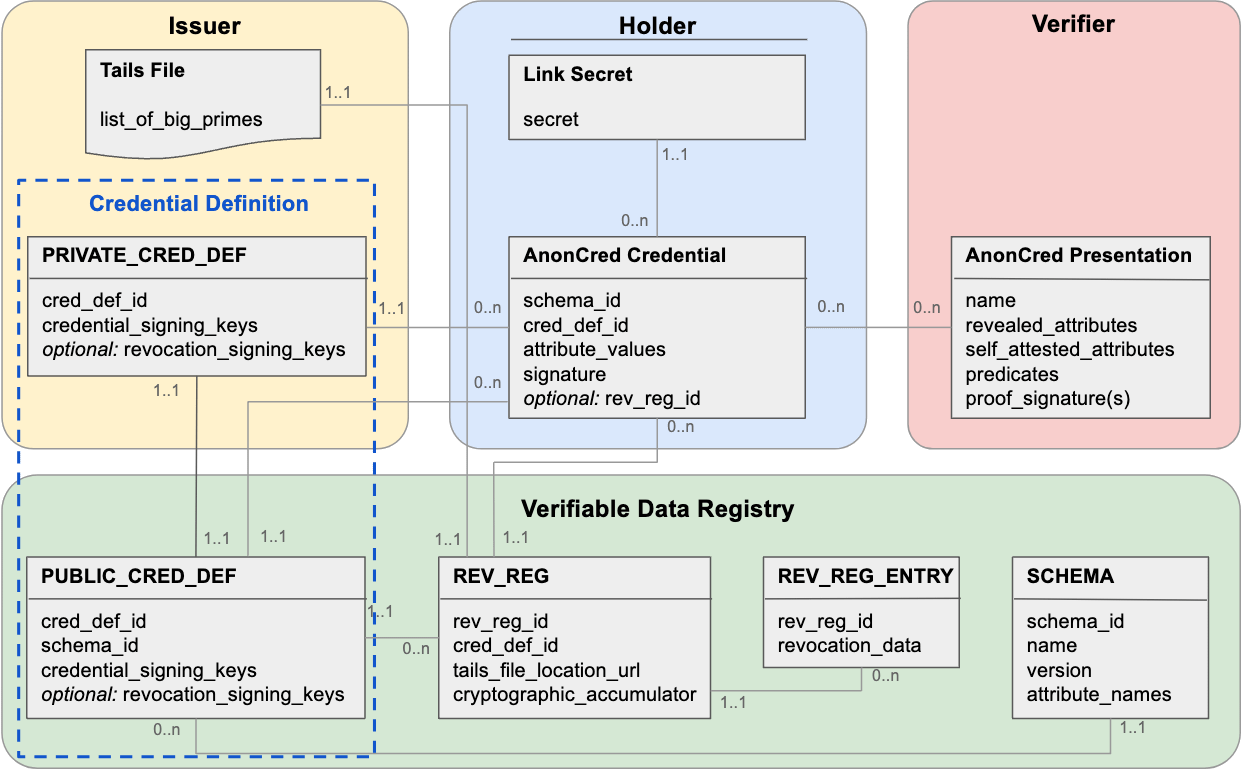
And yeah, the selective disclosure part is lowkey bigger than people think. Most users don’t want to fully doxx themselves just to prove one narrow claim. The interesting unlock is proving the minimum necessary fact. Not your whole identity. Not your whole history. Just the exact thing required. Sign Protocol enables selective disclosure alongside public, private, and hybrid attestations, and that combo is what makes SIGN feel relevant to real-world verification instead of just crypto-native vanity records.
The part that makes me most bullish is ecosystem depth. When a protocol has adjacent products around signing and distribution, it feels less like a single-feature experiment and more like rails being laid for multiple use cases. Sign’s docs position Sign Protocol as the core evidence layer within a wider ecosystem that includes products like EthSign and TokenTable.
Here’s the line I keep coming back to:
Crypto won’t scale because everything is visible. It’ll scale when truth becomes machine-readable.
That’s my real thesis on $SIGN right now. Not “number go up because campaign.” Not “attestations are cool.” I mean SIGN as a bet that programmable trust becomes necessary once crypto grows out of vibes-based coordination and into identity, capital distribution, credentials, payments, and audits at actual scale. Sign Protocol is specifically designed around verifiable evidence, structured schemas, privacy options, and auditability, which is why I think the project keeps popping back into serious conversations.
My skeptical side still wonders whether the market is early on this and whether builders will fully use the rails instead of talking about them. But my bullish side thinks that if the next cycle rewards infrastructure that quietly fixes real coordination pain, SIGN has a much stronger case than people are giving it.
So tell me straight: where does SIGN become undeniable first — Sybil-resistant airdrops, portable credentials, auditable capital distribution, or something the market still isn’t pricing in?