

Most people don’t think about how government funding works until they actually need it. That’s when the cracks show. Applications go in, decisions come out, and everything in between feels invisible. Rules aren’t always clear, outcomes feel inconsistent, and once money is distributed, tracking it becomes difficult.
That’s the gap $SIGN is trying to close.
Instead of treating the process like a one-time submission, Sign turns identity, eligibility, and documents into verifiable proofs. Not something uploaded and forgotten, but something that can be checked anytime. It changes the starting point from “trust the system” to “prove it, continuously.”
Where it gets more interesting is decision-making.
In most systems, this is where things get murky. Criteria exist, but interpretation varies. Human judgment fills the gaps, and that’s where inconsistency creeps in.
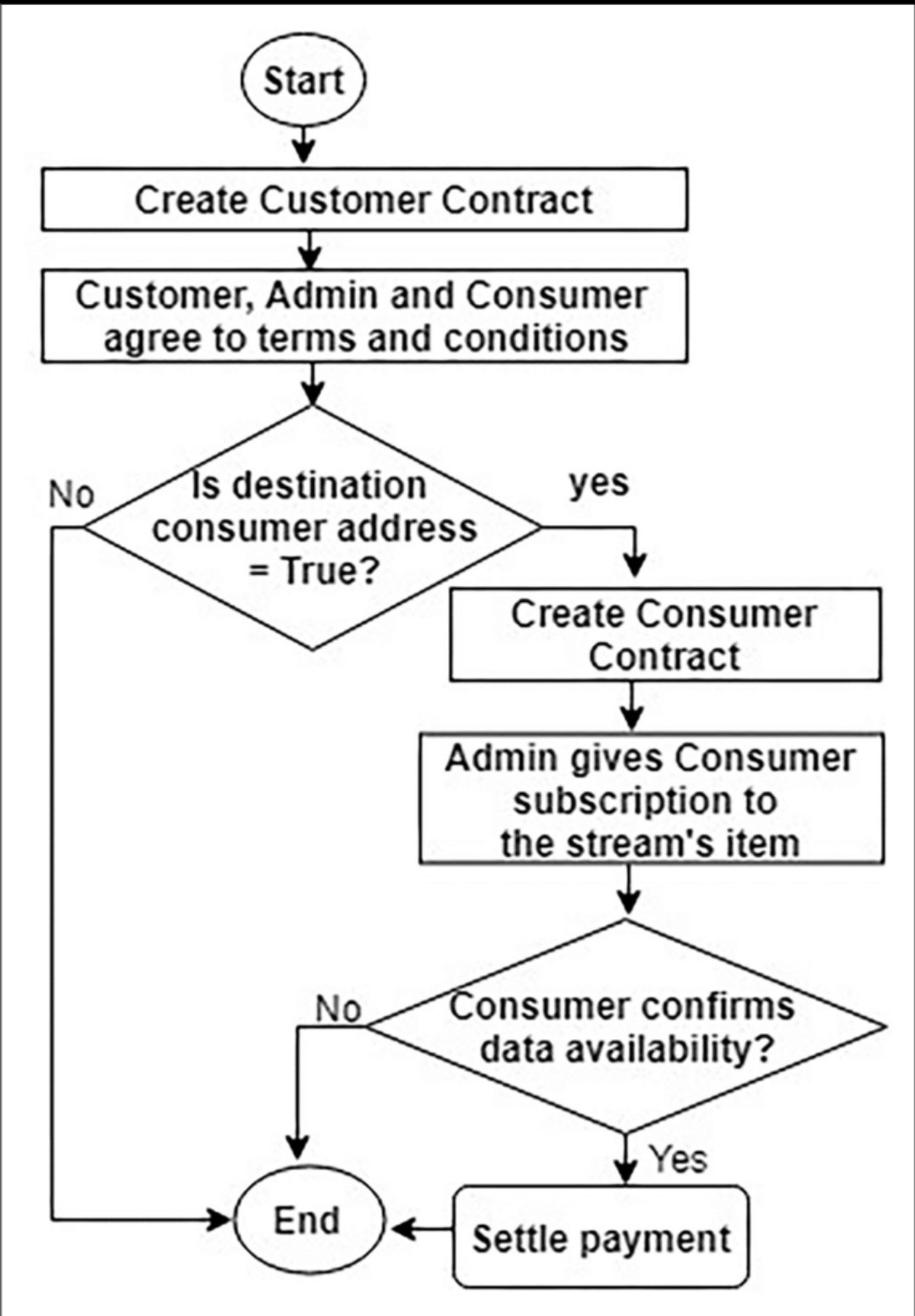
With Sign, rules are defined upfront and applied directly. Who qualifies, how much they receive, and under what conditions isn’t left open-ended. The system follows those rules exactly. If you meet the criteria, you move forward. If you don’t, you don’t. Simple, but powerful.
Funding itself also becomes more structured.
Instead of a single payout, it can be distributed over time, tied to milestones or conditions. And if something goes wrong, the system can step in. Pause, adjust, or stop the flow. It turns funding into something that behaves more like a controlled process than a one-time transfer.
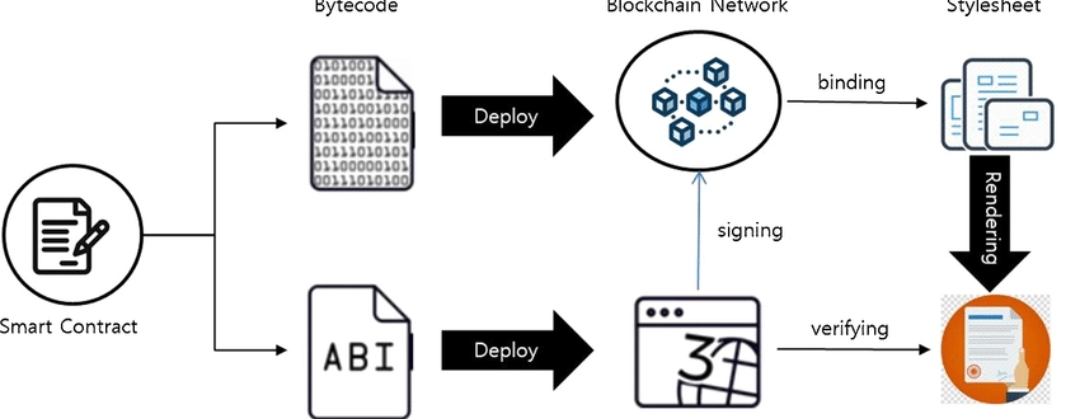
Behind all of this is traceability.
Every action leaves a record. Why someone qualified, when funds were approved, where they were sent. Not scattered across systems, but stored in a way that can be verified later. So audits don’t turn into investigations. The full timeline is already there.
But there’s a deeper layer to all this.
Sign isn’t just verifying whether something is true. It’s determining whether an action should happen based on that truth. That’s a subtle shift, but it changes everything.
Because if decisions are driven by predefined rules, then those rules carry real power.
So the question isn’t just whether the system is transparent or efficient. It’s who defines the logic behind it. Even in a decentralized setup, someone designs the framework that decides outcomes.
That doesn’t make Sign weak. In fact, the execution so far looks solid. Multi-chain presence, efficient cost design, and a system that’s already live, not just theoretical.
But it does leave you thinking.
Are we removing trust from the system…
or just moving it into the rules we don’t question enough?
That tension is what makes Sign worth watching. Not just for what it fixes, but for what it quietly reshapes underneath.