

I’ve Been Using $SIGN for Real Over the Past 2 Months: Not Just
for “Hold & Pump”. But for Signing Contracts and Managing Tokens
Practically
Hey everyone!
Today, I’m not here to talk about dry chart analysis or tokenomics. Instead, I want to share my honest personal journey with Sign Protocol (SIGN) since I first discovered the project not long ago.
As a freelancer in Vietnam who mainly works with several small and micro Web3
projects, I used to be really hesitant about signing contracts on-chain. I was
afraid it would be complicated, expensive in gas fees, and not truly “mine.”
But after trying EthSign and TokenTable from Sign Protocol, I realized this
isn’t just another token — it’s a genuinely useful tool that’s changing how I
work every single day.
First Time Signing a Contract with EthSign: A Real “Wow” Moment
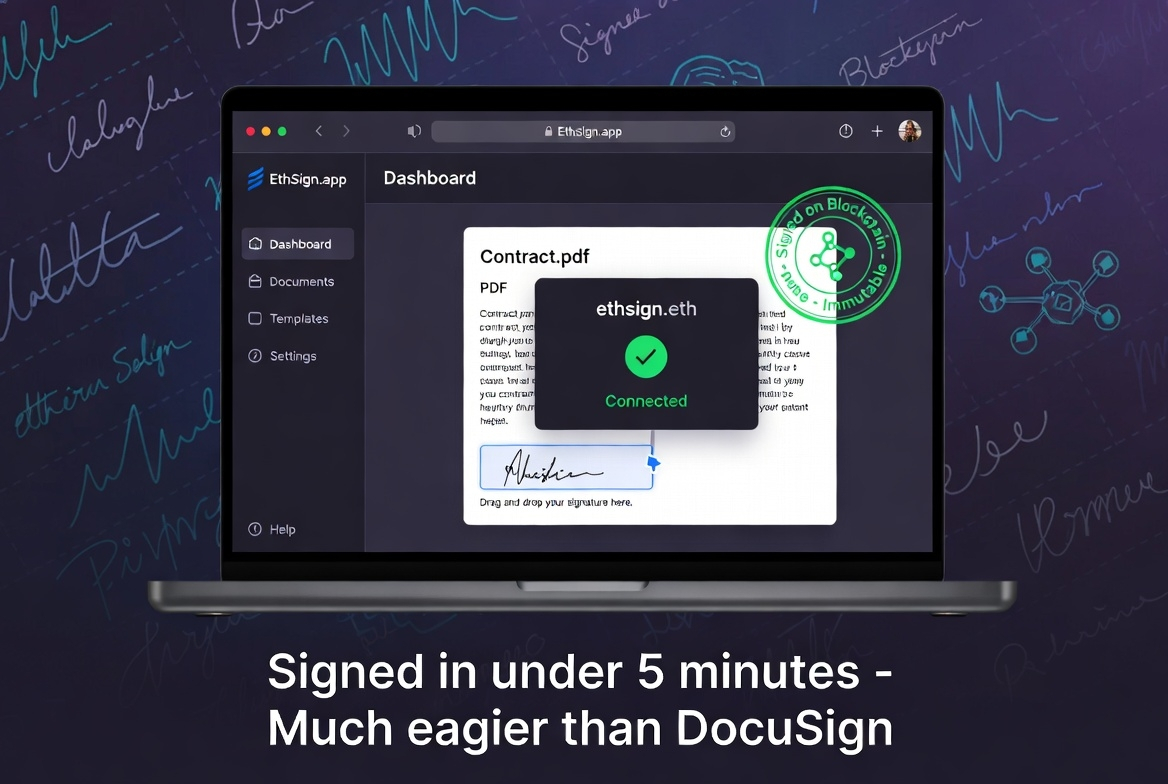
About a month ago, I landed a job from a project on Base. They asked me to sign an NDA and a freelance contract. Normally, I would have to send a Google Doc → sign with DocuSign → wait for them to sign back → and deal with messy PDF files everywhere.
This time, I decided to try EthSign.app. The process was incredibly simple:
Connect your wallet (MetaMask or WalletConnect)
Upload the PDF contract
Drag and drop the signature field
Invite the counterparty by sending a link or their wallet
addressDone! The entire process is recorded on the blockchain and
can be verified forever.
It took less than 5 minutes, and the gas fee was only about $0.5–1USD (depending on the chain). Most importantly, I could publicly check whether
the contract had been signed without endless back-and-forth emails.
My counterparty (a founder in Singapore) even praised it, saying “It’s much easier to use than DocuSign.” The feeling was completely different: no more worrying about losing files or someone tampering with the document after signing. Everything is immutable and verifiable. That was the first time I truly felt
“blockchain is actually useful in real life.”
TokenTable Helped Me Manage Vesting and Small Airdrops
I also tested TokenTable right away when helping a small project distribute tokens to early contributors (around 50 people). In the past, this was a huge headache: tracking everything in Excel → sending tokens manually → worrying about wallet leaks → and struggling to prove who received how much.
With TokenTable, it became so much smoother:
Create a clear vesting schedule (cliff + linear unlock)
Distribute via Merkle tree or on-chain smart contract
Everyone can claim directly and transparently check their
unlock timeline
The whole setup only took a few hours instead of several days like before. The contributors were very happy because they could check their own unlock progress themselves.
I also received a small amount of SIGN rewards recently by participating in the Orange Basic Income program (by keeping tokens in my self-custody wallet). Receiving rewards from actually using a real product feels way more exciting than farming meaningless yields.
What I’ve Learned After 2 Months Using SIGN
Truly convenient: Clean and user-friendly interface, even for
beginners. No complicated coding required.Cost-saving: Much cheaper than traditional Web2 services,
especially when using affordable chains like Base or Arbitrum.Greater peace of mind: Every attestation is a “digital signature”
with stronger legal value in the future — especially as governments start
paying attention to digital identity.Small drawbacks: Gas fees on Ethereum can still be a bit high
if you don’t choose the right chain. I also hope the project will add more
language support soon (currently English is the main one).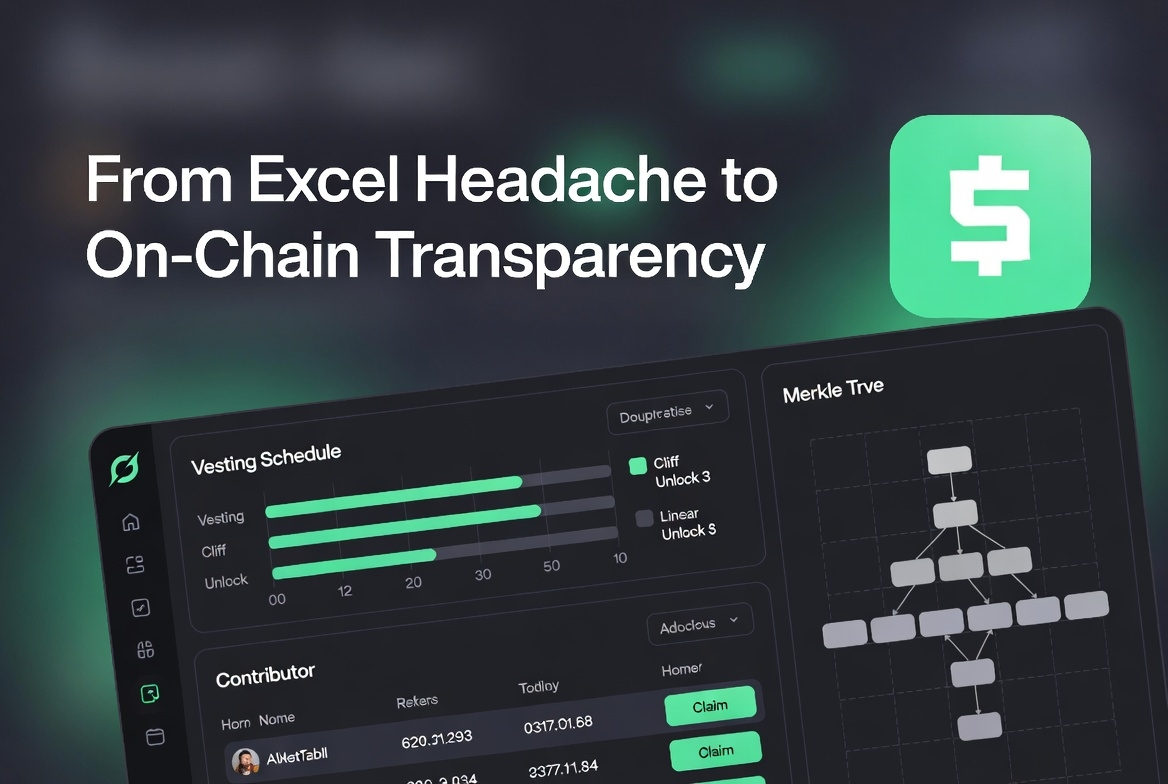
TokenTable Vesting Dashboard
SIGN is currently trading around $0.031 – $0.033 USD (March 2026) after a tough market period. I didn’t FOMO and buy a lot — I only hold a portion from rewards and do light DCA because I believe in its long-term utility. With recent updates on government partnerships and sovereign infrastructure, I see SIGN quietly building the foundation for real “digital trust.”
Personal Conclusion
Before using SIGN, I thought it was just another regular attestation protocol. After experiencing it firsthand, I truly believe Sign Protocol is solving a very real problem: How to make trust on the internet verifiable, transparent, and truly ours — instead of relying on centralized companies.
If you’re a freelancer, a founder of a small project, or simply want to try signing a contract on-chain once, I sincerely recommend: Give EthSign and TokenTable a try. You don’t need to invest a lot — just connect your wallet and experience it.Have you ever used EthSign or TokenTable before?
How was your experience?
Or are you waiting for a dip to hold $SIGN long-term?
Feel free to share your own experiences in the comments below! I’ll reply to every genuine comment.
Let’s build a more practical Web3 together, starting from useful tools like these!
#SignProtocol #EthSign #TokenTable @SignOfficial #PersonalExperience #SignDigitalSovereignInfra