
I’ve started noticing something strange about systems.
Sometimes everything works.
And yet, the outcome still feels wrong.
No bugs. No failures. No obvious issues.
But the result doesn’t match what should have happened.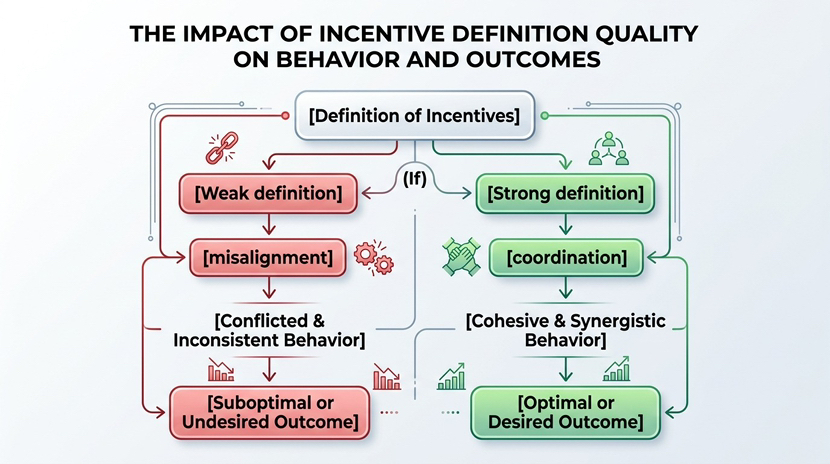
That’s where I started thinking differently about SIGN.
Because not every system problem is technical.
Some are coordination problems.
And those are harder to see.
A system can have:
working infrastructure
active users
clear incentives
And still fail to produce good outcomes.
Why?
Because the participants are not aligned.
That’s the part most people miss.
Systems don’t just move value.
They coordinate behavior.
And if that coordination is weak, everything becomes noisy.
You see it everywhere.
Users chasing short-term rewards instead of long-term value.
Communities growing in size but not in quality.
Participation increasing, but meaning decreasing.
That’s not failure at the surface.
That’s misalignment underneath.
The more I looked into SIGN, the more I saw it as a way to improve coordination at a deeper level.
Not by forcing behavior.
But by defining it more clearly.
Through attestations.
Through verifiable claims.
Through structured ways of saying what actually matters in a system.
That changes how participants interact.
Because once expectations are clear and verifiable, behavior adjusts.
People respond to what gets recognized.
And what gets recognized depends on how systems define value.
That’s where most coordination breaks.
Not because people are irrational.
But because systems reward the wrong signals.
And once that happens, misalignment compounds.
The more I think about it, the more I realize coordination is one of the hardest problems in any system.
Not just in crypto.
In economies.
In organizations.
In governments.
Getting people to act in ways that produce good outcomes collectively is not simple.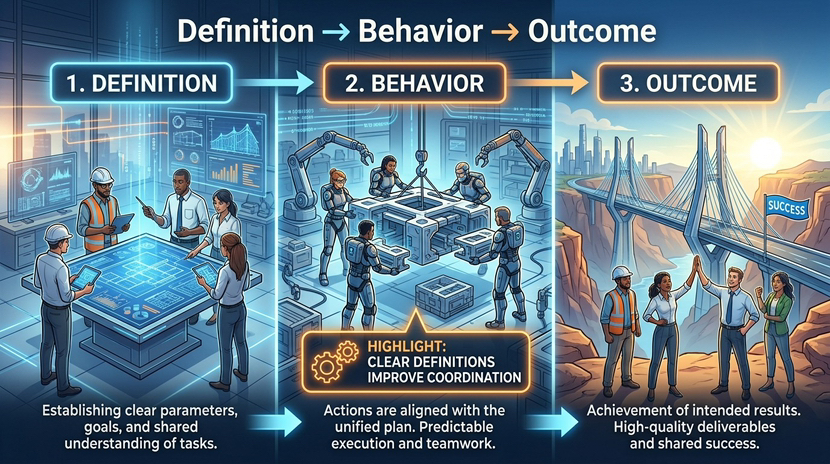
It requires clear rules.
Clear signals.
Clear definitions of what matters.
That’s why infrastructure like $SIGN is more important than it looks.
It doesn’t just verify actions.
It defines them.
And that’s a big difference.
Because once actions are defined properly, coordination improves naturally.
Not perfectly.
But meaningfully.
I’m not saying this solves all coordination problems. Human behavior is complex. Incentives can still be gamed. Systems can still be designed poorly.
But better definitions lead to better alignment.
And better alignment leads to better outcomes.
That’s the pattern.
The more I research SIGN the more I see it as a coordination layer.
Quiet.
Not obvious.
But central to how systems actually work.
Because in the end, systems don’t fail because they can’t operate.
They fail because they can’t align.
@SignOfficial #SignDigitalSovereignInfra $SIGN
