
$SIGN is one of those projects that actually makes you stop and think a little deeper
In a space where most tokens launch on pure hype and promises SIGN came in differently There was already real traction real usage and most importantly real revenue before the token even entered the picture That alone changes how you look at it It does not feel like something built overnight It feels like something that has been tested under pressure
A big part of that foundation comes from its distribution infrastructure Billions in value processed hundreds of projects handled and consistent execution without noise In crypto where even small things tend to break that kind of reliability stands out It shows that the team understands how to build systems that people can actually depend on
So the optimistic view is easy Strong foundation real usage and a product that already solves a clear problem
But then you zoom out a bit
SIGN is not just positioning itself as a tool for crypto operations The bigger vision is much more ambitious It is about becoming a core layer for attestations identity and trust Something that moves beyond just on chain activity into real world relevance And that is where things naturally get more complex
Because building inside crypto and building for the real world are two very different challenges
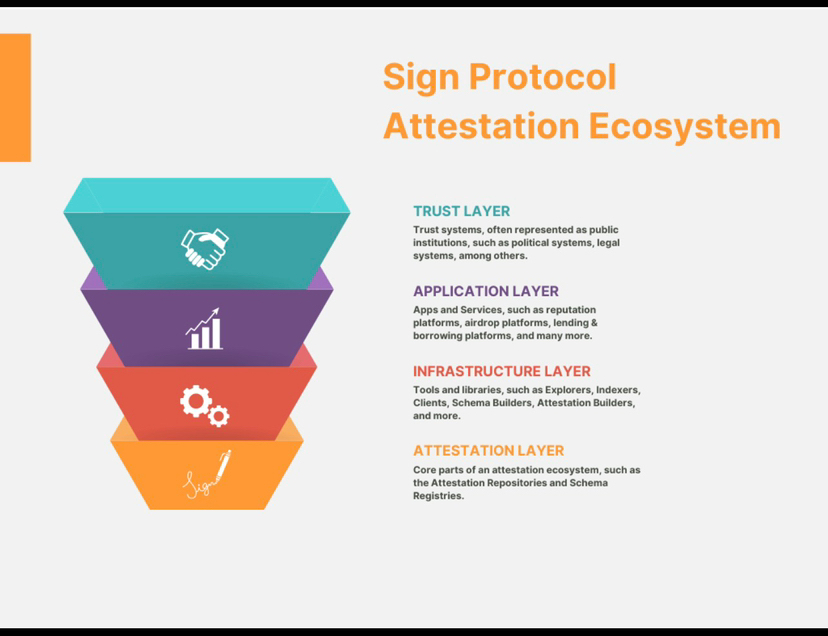
Inside crypto things move fast Users adapt quickly Decisions are made in days or weeks But when you start talking about broader institutional use everything slows down Adoption takes time Trust takes time Systems need to prove themselves over longer cycles
This creates an interesting split On one side $SIGN already has a working engine that generates value within the crypto ecosystem On the other it is aiming to expand into a space that requires a completely different kind of patience and execution
Then comes the role of the token itself
SIGN is designed to sit at the center of this entire system powering usage interactions and governance In theory it aligns everything But in practice adoption of a token depends on whether users actually find it seamless to use If it adds friction people hesitate If it simplifies things it gets embraced
So a key part of this journey will be how naturally the token fits into what users are already doing
What makes SIGN interesting to me is this balance between what is already proven and what is still unfolding
The foundation is not a question The system works The usage is there The direction makes sense
The open question is about scale in a completely different context
Can something that started by solving internal crypto problems evolve into a broader layer of trust that people rely on in everyday systems
That is not a small leap It requires not just good technology but also the ability to navigate slower environments build long term trust and adapt to different kinds of users
And that is where I think the real story of SIGN will be written
Right now it feels like a project that has already proven it can build
The next phase is proving how far that foundation can actually go
