At the start, I honestly thought SIGN was just another token.
That’s usually how it looks in the beginning.
A new ecosystem grows, a token comes with it, and it plays its role somewhere in the background.
Nothing surprising.
But the more I spent time looking into how Sign Protocol is built, the more that initial idea started to change.
It didn’t feel like something sitting on the surface anymore.
It felt more like something working from within.
It doesn’t really sit outside the system
In most cases, tokens are pretty easy to understand.
They reward users, sometimes give access, sometimes allow governance.
Useful, but clearly separate from how the system actually runs.
Here, it feels a bit different.
SIGN seems to move through the system itself.
Somewhere between what gets verified, how decisions are made, and what the final result becomes.
Not as an extra layer. More like part of the flow.
And that changes how you look at it.
The quiet problem most systems face
When systems start getting bigger, especially ones trying to act independently, alignment becomes a real issue.
There are different participants, different rules, and different motivations all interacting at once.
If those pieces don’t match properly, things don’t fail immediately. They just slowly drift.
Verification starts feeling inconsistent.
Decisions lose clarity.
Outcomes don’t fully connect back to the rules.
It builds over time, even if it’s not obvious at first.
Where SIGN starts to feel important
This is where it starts to stand out.
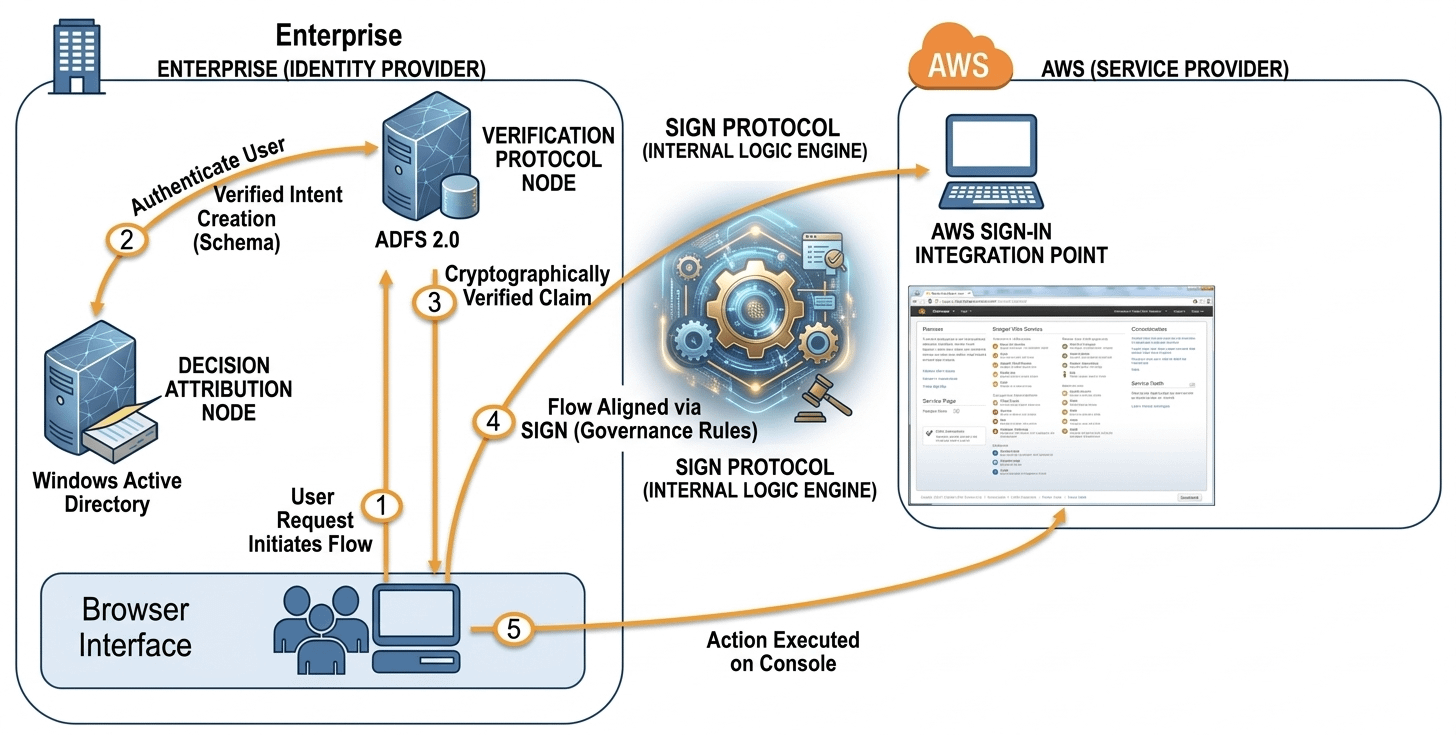
It doesn’t feel like it’s only there for incentives or value. It feels like it’s helping connect different parts of the system.
What gets proven.
How that proof is used.
What happens because of it.
Instead of separate steps, it feels more like a continuous process.
Less fragmentation, more flow.
Why that actually matters
From a user side, this probably just makes things easier to follow.
You can see what’s happening and understand why it’s happening.
But from a system perspective, it goes further than that.
If everything stays aligned, there’s less need to repeat verification again and again. Decisions stay more consistent. Scaling becomes less messy.
Things just work with less friction.
Still early, still evolving
At the same time, none of this is fully proven yet.
Systems like this take time to settle. They need real-world usage, pressure, and edge cases before you really know how strong they are.
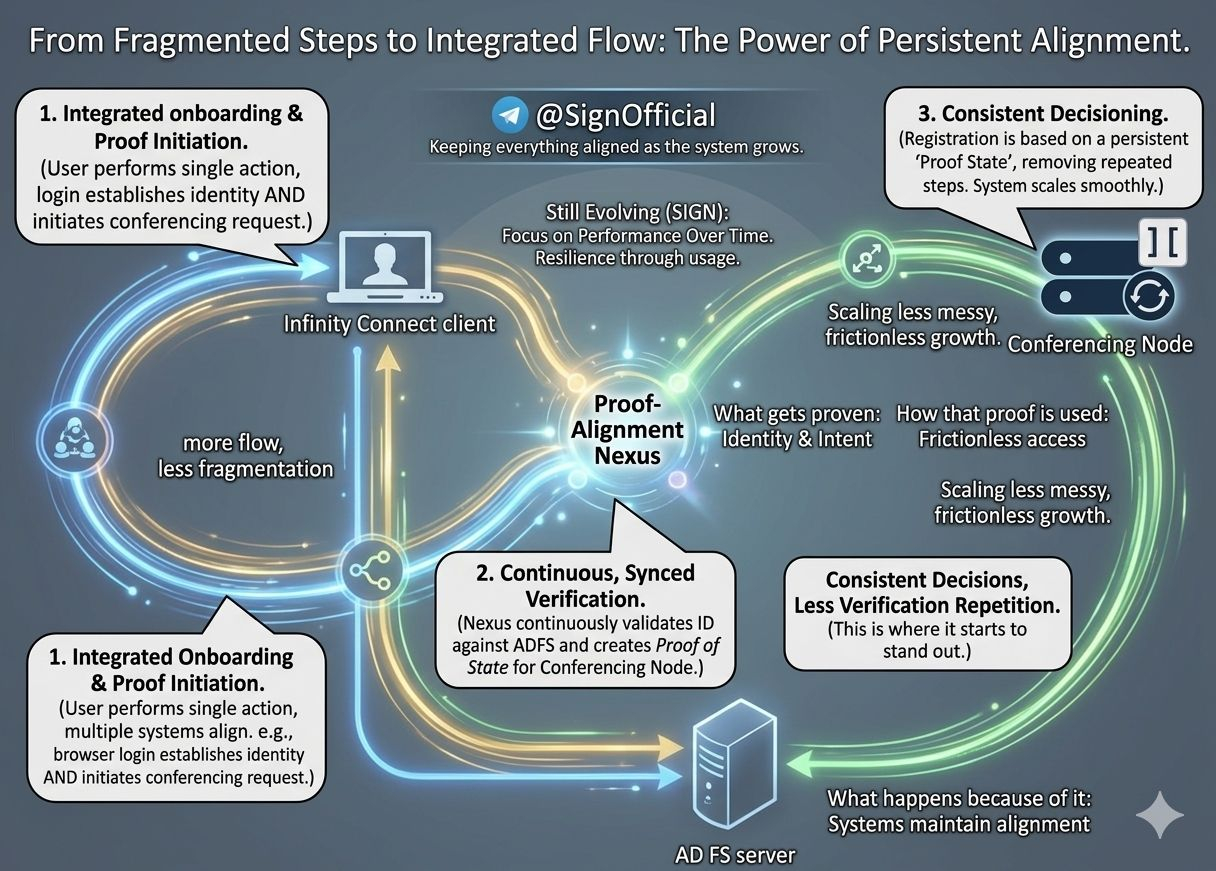
S.I.G.N is still in that stage.
So it’s less about what it promises right now, and more about how it performs over time.
Maybe SIGN isn’t only about value in the traditional sense.
Maybe it’s more about keeping everything aligned as the system grows.
And if that’s the case, its importance won’t always be obvious on the surface.
But it will show up in how smoothly everything else works.