@SignOfficial The more I reflect on $SIGN Protocol, the harder it is to view it as just another tool for recording data. At first glance, schemas and attestations seem like purely technical elements doing predictable work. A schema creates the structure, and an attestation fills that structure with a signed claim. It sounds simple. But when you look deeper, something much more significant begins to unfold beneath the surface.
This is not just about organizing information more efficiently. It is about redefining how information becomes meaningful, portable, and verifiable across digital environments. That shift changes everything. Data is no longer just stored—it carries context, intent, and proof with it. And that is where Sign starts to feel less like background infrastructure and more like a system that shapes how trust itself operates and moves.
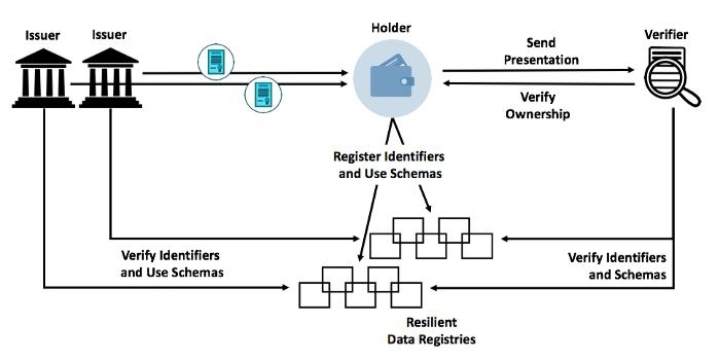
Schemas play a much bigger role than they appear to. They do not just arrange data—they define what kind of data can exist at all. They establish the rules, the format, and the logic of what is considered valid within the system. Attestations then activate that structure by creating signed records that strictly follow those rules. Together, they transform simple entries into standardized proofs.
A credential stops being just text. An approval is no longer just a checkbox tied to a single platform. A transaction record is no longer isolated data on a dashboard. Instead, these become verifiable units that machines can read, systems can trust, and users can carry across platforms without losing their meaning. What sounds like a small shift is actually a fundamental transformation—trust is no longer confined to the place where it was first issued.
This is the idea that stands out the most. In traditional systems, data depends heavily on the platform that holds it. Trust is placed in the institution, not in the data itself. The platform controls access, verification, and interpretation. Users are left relying on centralized gatekeepers.
Sign introduces a different direction. It moves verification closer to the data. Proof becomes independent, capable of existing beyond a single platform or authority. It travels with the information instead of being locked behind it. This reduces the need for blind trust in intermediaries and opens the door to a more flexible and decentralized model of verification.
But this is also where a deeper complexity appears. Once you realize that schemas define what can be expressed, and attestations define what gets recognized, it becomes clear that structure is never neutral. Whoever designs the schema is making decisions—about what matters, what qualifies as proof, and what is excluded.
That influence is subtle but powerful. If widely adopted, these structures can begin shaping behavior itself. They can influence how identity is defined, how ownership is interpreted, and how authority is recorded across systems. What looks like open infrastructure can still carry underlying biases depending on who defines its rules.
This is why Sign Protocol feels important beyond just features or technical innovation. If it evolves into a global standard, it will not only enable verification—it will help create a shared language for digital trust. That could unlock massive benefits: smoother coordination, reusable proofs, and reduced friction across platforms and borders.
However, global standards are never purely technical. They are shaped by influence, negotiation, and power. The strongest voices often define what later gets accepted as “neutral.” So the real challenge is not just building better systems—it is ensuring those systems remain open, fair, and adaptable.
Because in the end, the goal is not just to structure data. It is to structure truth in a way that remains inclusive and trustworthy.