
@SignOfficial $SIGN #SignDigitalSovereignInfra
You know, every once in a while in crypto, there’s this shift where the big stories don’t just pop up—they sort of snap into place like the last piece in a jigsaw puzzle. Lately, I can’t help but notice infrastructure plays creeping back into the spotlight. Not the wild, headline-chasing kind. I’m talking about the nuts-and-bolts stuff. The boring, sturdy, essential layers that make all the hyped stuff possible. That’s why SIGN feels oddly, uncannily, bang-on right now.
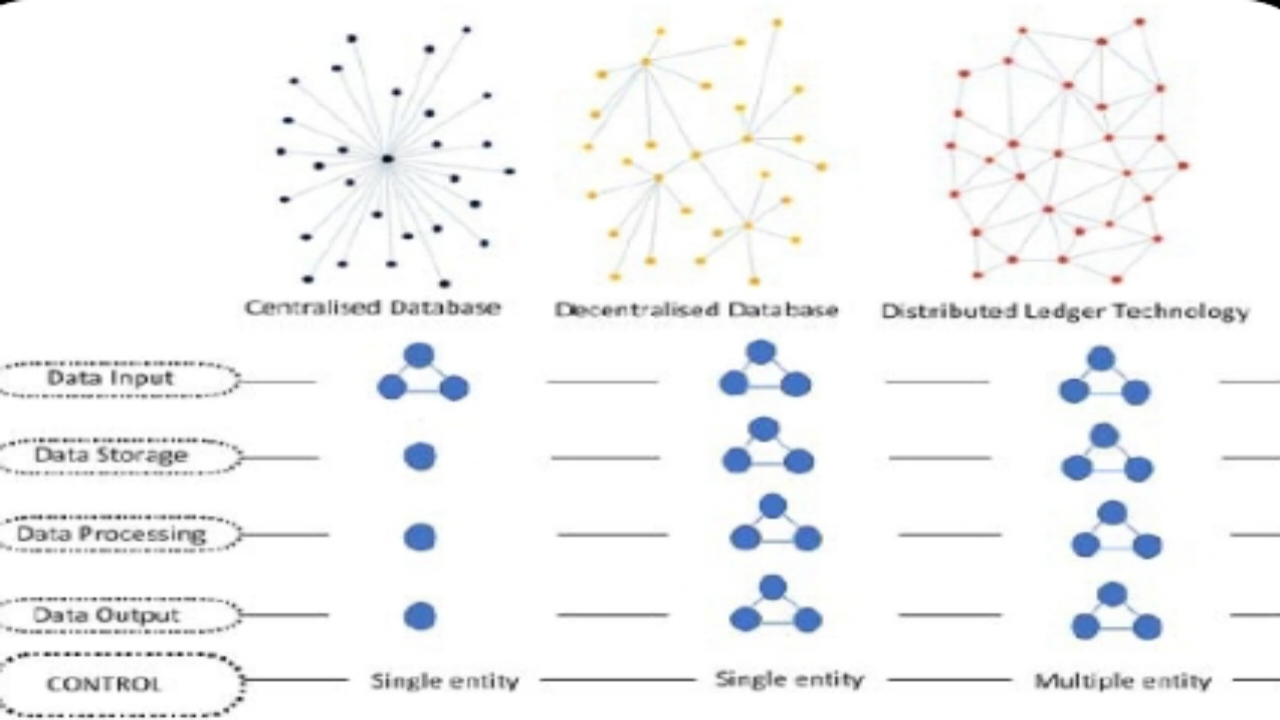
Let me lay it out in plain English. If you’ve been around the block (and honestly, I remember when I first tried to wrap my head around DeFi… ugh, spent hours lost in Telegram rooms), most of crypto’s excitement used to be around DeFi protocols, NFTs, meme coins with wild names you’d never expect to see on a Forbes list—just pure chaos sometimes. And while the craziness was fun, something always felt… missing. Nobody really talked about building the backbone: reliable systems to verify people and data, not just gamble on them.
Things are flipping. Suddenly, we’re seeing way more talk about on-chain identity, credential verification, data integrity. This is prime time for SIGN—it’s literally in the thick of all that. If Web3 is a city, SIGN isn’t the pop-up café or an art gallery. It’s the asphalt, the street signs, the permits—stuff everything else depends on but almost nobody notices until it’s broken.
When you zoom in on what SIGN actually does, it’s pretty straightforward. The whole project is about making data and credentials verifiable on-chain. Instead of putting your faith in some sketchy platform, you can check: Who’s this person? What have they done? Is any of this real? Kinda wild how basic that sounds, but when I think about it—last time I applied for a new gig, I sent in my CV and a few PDFs. Crossed my fingers and hoped someone believed me. With SIGN, that stuff would just be instantly provable. No more “trust me, bro.” It matters way more as DAOs pick up steam, remote work turns into new normal, and your reputation turns digital.
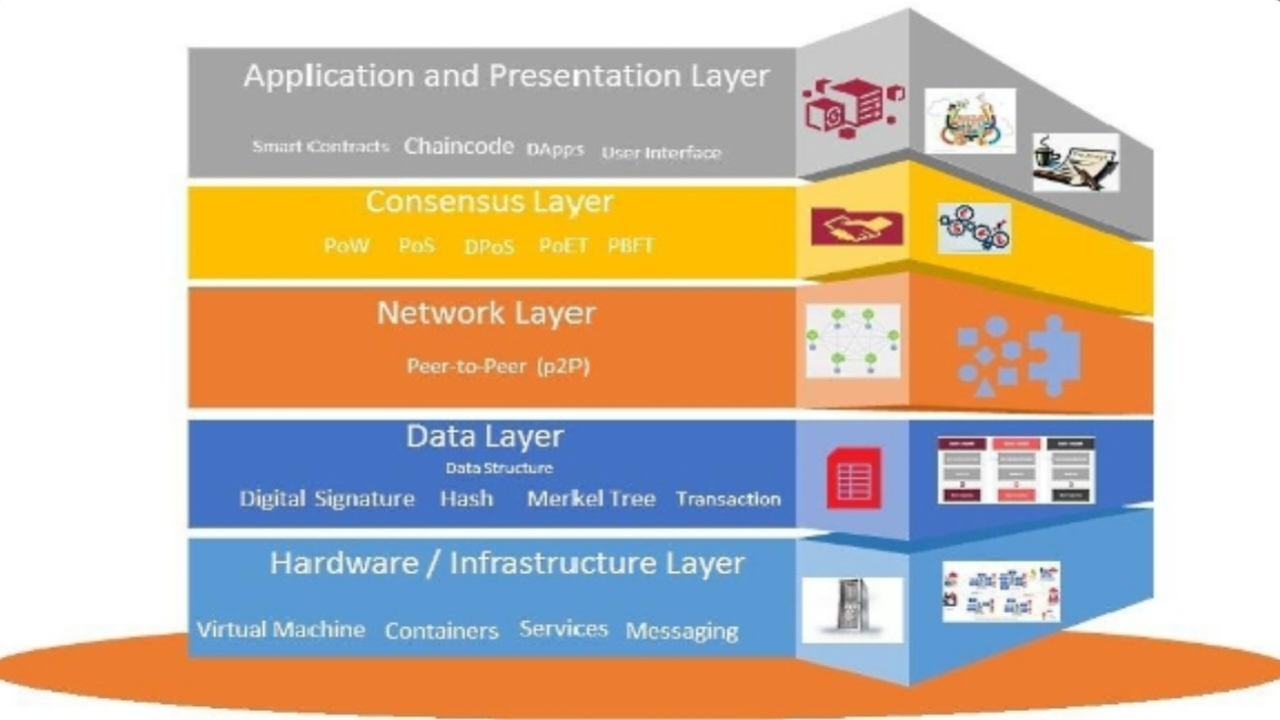
And right now, the timing just hits different. Crypto is all about catching waves. Lately, there’s a triple whammy going on. First, people are over endless airdrops—every week, there’s another “Sybil attack” or fake bot engagement. That tension: proof starts sounding good. Then, there’s the AI stuff. I mean, everything’s getting generated by AI now—content, fake identities, pictures that look almost real. Suddenly, the big question: what’s actually real? Who’s real? Infrastructure like SIGN steps in right where it gets messy. Finally, blockchain tech’s getting modular, chains and L2s are sprouting everywhere, and now you need one ID across the board. Portable credentials—kind of wild, right? SIGN fits like a glove here.
If you’re the trading type, I’d say keep an eye on infrastructure plays. They move slow at first, seriously under the radar. But once the narrative clicks, it moves fast. I’ve been watching early integrations, developers testing the waters, social media buzz slowly building up. Usually, price moves follow the narrative, not the other way around. Seen that happen again and again.
Here’s a weird analogy—picture Web3 as this giant online game. DeFi’s the economy (making coins and trading stuff), NFTs are the digital assets (kind of like your rare skins), DAOs are the guilds (teams running the show). SIGN? That’s your verified player profile. The badge you get for actually being legit. Without it, the whole game gets easier to cheat, and soon you’ve got chaos.
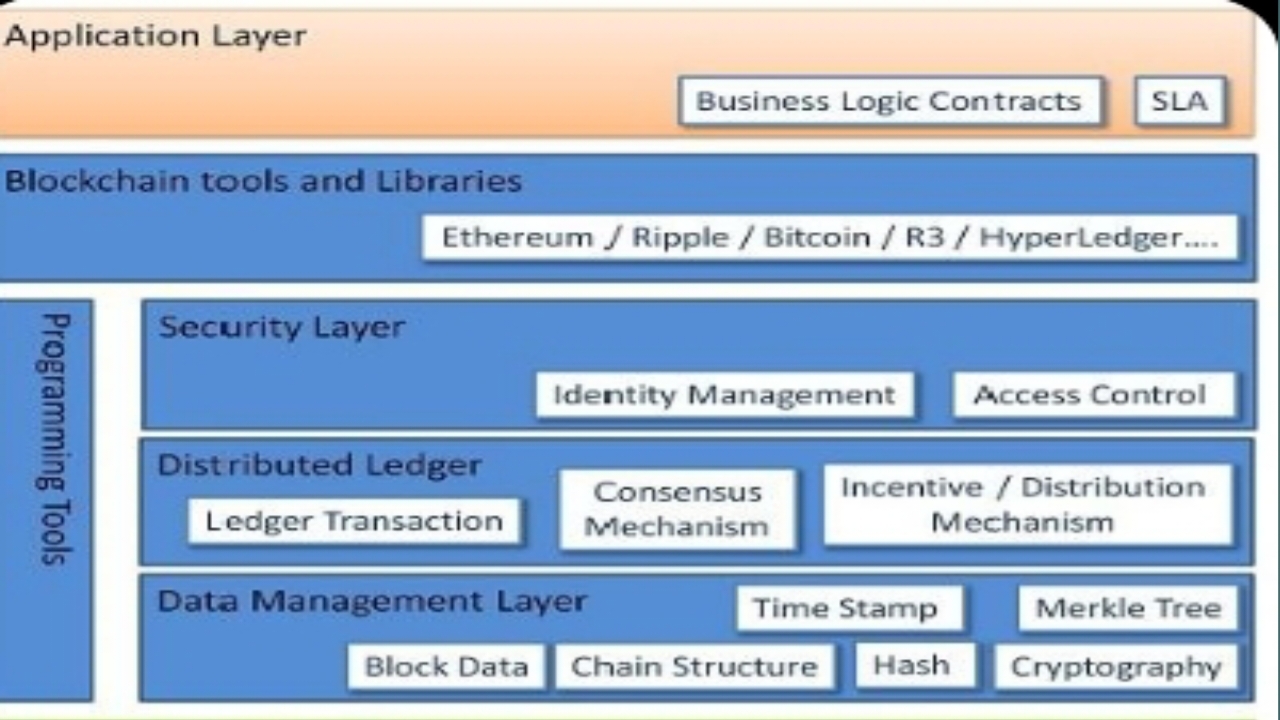
Last thought: SIGN doesn’t have fireworks or short-term hype. It’s solving something that’s turning into an itch people can’t just ignore—trust, especially now that anyone can pretend to be anyone with a few clicks. From what I’ve seen, the quiet stories, the ones that don’t scream for attention, those are usually the ones that end up mattering most. It sneaks up on you.