
Had a blunt reality check this morning while debating Sovereign Infrastructure with a compliance buddy from fintech. He basically called me a dreamer. He said that if everything is on-chain for the world to see then you are just handing your ledger over for public scrutiny. Harsh. But I realized I was wrong to think blockchain is only about absolute transparency. In the real world total transparency is rarely the right answer.
Digging into the Sign Revision 2.2.0 whitepaper made me realize how much I was missing. They are not building a public chain just for the sake of it. Their Dual-path blockchain architecture is incredibly pragmatic. On one side they use Sovereign Layer 2s or L1 smart contracts for global liquidity and transparency. But the sensitive financial core sits on Hyperledger Fabric X. That is a permissioned network with a Microservices architecture that scales independently. Look at this. The Arma BFT sharded Byzantine Fault Tolerant consensus pushes throughput to 200,000+ transactions per second. This is not a toy. It is national-grade infrastructure.
But heavy infra is useless if identity is broken. Sign tackles this with Self-Sovereign Identity built on international standards like W3C Verifiable Credentials and DIDs. The best part is how they use Zero-Knowledge Proofs for Selective Disclosure. You can prove you are over 18 for a service without broadcasting your actual birth date to the entire chain. This is the privacy lifeline I completely misunderstood before 😅.
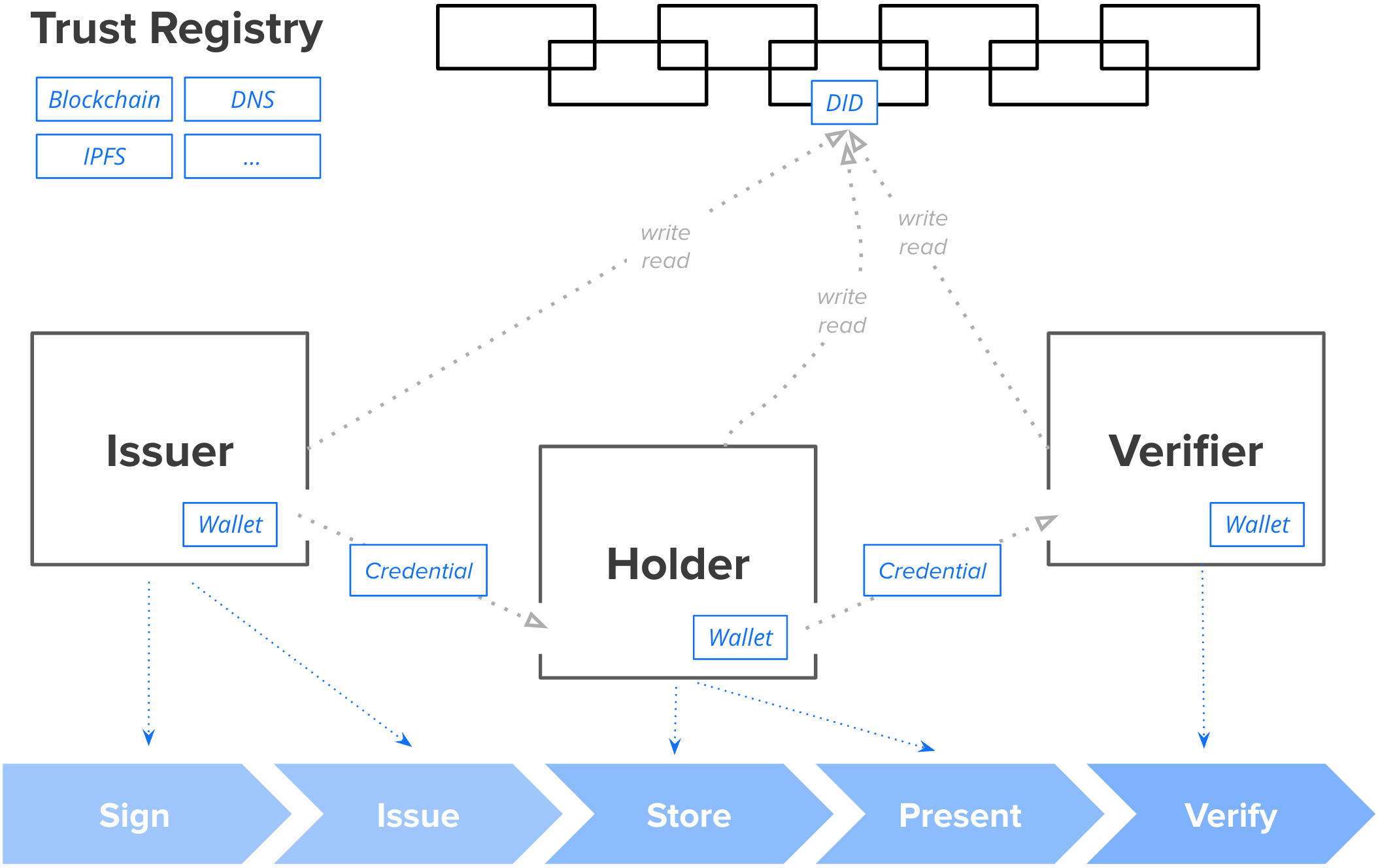
Still I see a massive trust paradox. If the Attestation Issuer remains a central authority then what exactly are we decentralizing? Are we just digitizing bureaucracy onto an expensive ledger? Trust still lands on humans at the end of the day. Algorithms cannot fix everything.
Look at Bhutan. They have been running a live identity system for over 750,000 citizens since October 2023. Meanwhile Kyrgyzstan is only just scheduling its Digital Som pilot for Q4 2026. They are aiming for ISO-20022 compliance for international trade. This gap is proof of how hard it is to ground Web3 in reality. Be honest. How many enterprises will ditch stable internal APIs for a complex attestation framework with unclear legal liabilities?
The real test for Sign is financial inclusion. Can it solve the exclusion of the 66% in Sierra Leone who are locked out of the system just because they lack an ID? If it only serves stable nations like Bhutan then it is just high-tech jewelry. The world is not waiting for us to debate philosophy. Will nations have the guts to hand the data keys back to the people via these secure Attestation frameworks? Or are we just looking at another Web3 Mirage. Decentralized in name but just a new coat of paint on the same old surveillance core.
This is why I am still watching Sign. Not for a get rich quick miracle. I am watching to see if the Arma BFT core or those ZK-proofs can actually shake up the legacy systems sleeping on their own power. Will we have a future where identity is an unalienable right or just a temporary licensed string of code? The answer probably is not in the code. It is in our own courage to finally take hold of our data keys .