
The new architecture of financial power
"Tokenization is the next step in the evolution of financial markets." The phrase, attributed on various occasions to Larry Fink, CEO of BlackRock (currently serving), accurately summarizes a structural change that is already underway. It is not a passing trend of the crypto ecosystem, but rather a deep reconfiguration of how value is represented, transferred, and governed in the international system.
Tokenization converts real-world assets —bonds, stocks, real estate, commodities— into programmable digital instruments on the blockchain. The result is efficiency, traceability, and a significant reduction in intermediaries.
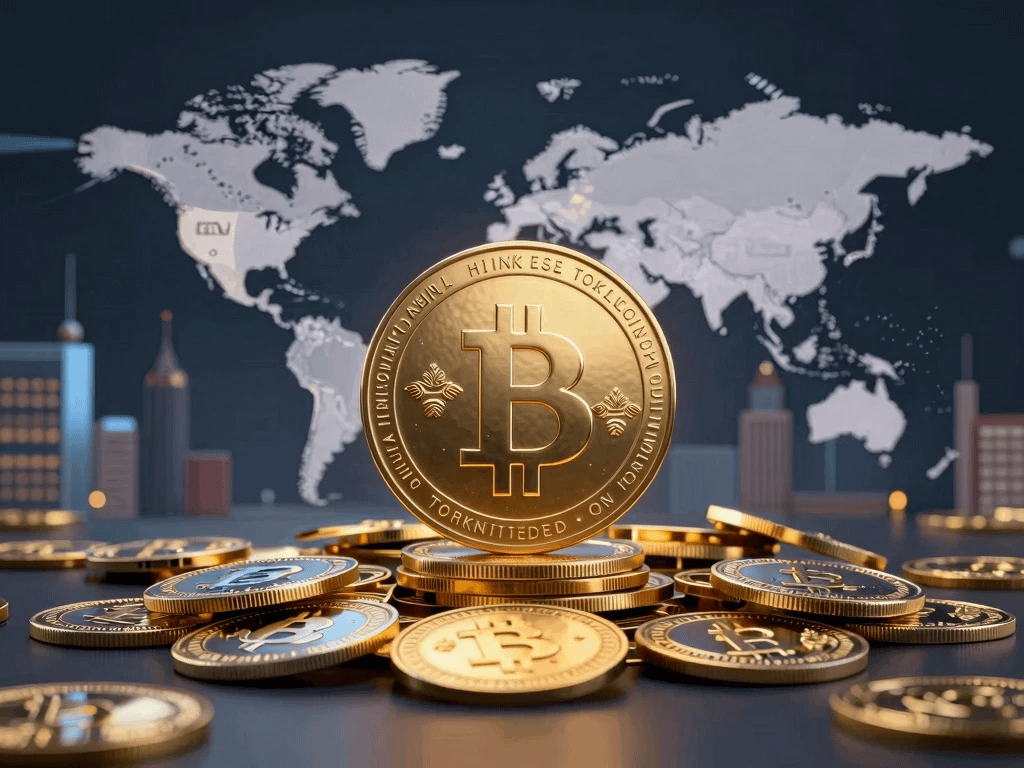
From Wall Street to the blockchain: why capital is transforming
Institutions like BlackRock, JPMorgan, and Franklin Templeton have publicly acknowledged that tokenization reduces operational friction, accelerates settlements, and improves transparency.
Christine Lagarde, president of the European Central Bank, has noted that the digitization of assets is inevitable if the financial system wants to remain competitive in an increasingly fragmented world.
The key is not just technological, but geopolitical.
Tokenization and geopolitics: when the asset becomes neutral
In an environment marked by sanctions, financial blockades, and tensions between power blocs, tokenization introduces a disruptive element: assets that can circulate outside highly politicized traditional infrastructures.
This does not eliminate regulatory risks, but it does:
Reduces the dependence on centralized clearing houses.
Facilitates cross-border interoperability.
Increases the financial sovereignty of issuers and investors.
As Jeremy Allaire, CEO of Circle, has pointed out, "the financial infrastructure of the future will be open, programmable, and global."
The role of the crypto ecosystem: beyond speculation
Tokenization marks a turning point for cryptocurrencies. It is no longer just about trading or speculative narrative, but about financial infrastructure.
Ethereum, L2 networks, and institutional solutions are competing to be the foundation where the next trillion dollars in tokenized assets will be issued.
From this perspective, the crypto ecosystem ceases to be peripheral and becomes systemic.
Risks, regulation, and the time factor
The progress is not homogeneous. Challenges persist:
Disparate regulatory frameworks.
Digital custody risks.
Concentration of power in poorly designed issuers.
However, as Mark Carney, former governor of the Bank of England and still influential in global economic forums, has warned, "financial innovation does not stop; it is ordered." Tokenization will follow that path.

The question that defines this decade
Are we facing a simple technological improvement or a silent redesign of the global financial system?
Call to the community
This content is educational and informative. It does not constitute financial advice.
👉 Do your own research (DYOR) and cross-check sources before making decisions.
💬 CTA: Share this analysis and comment if you think tokenization will strengthen or fragment the global financial system.
$PAXG