
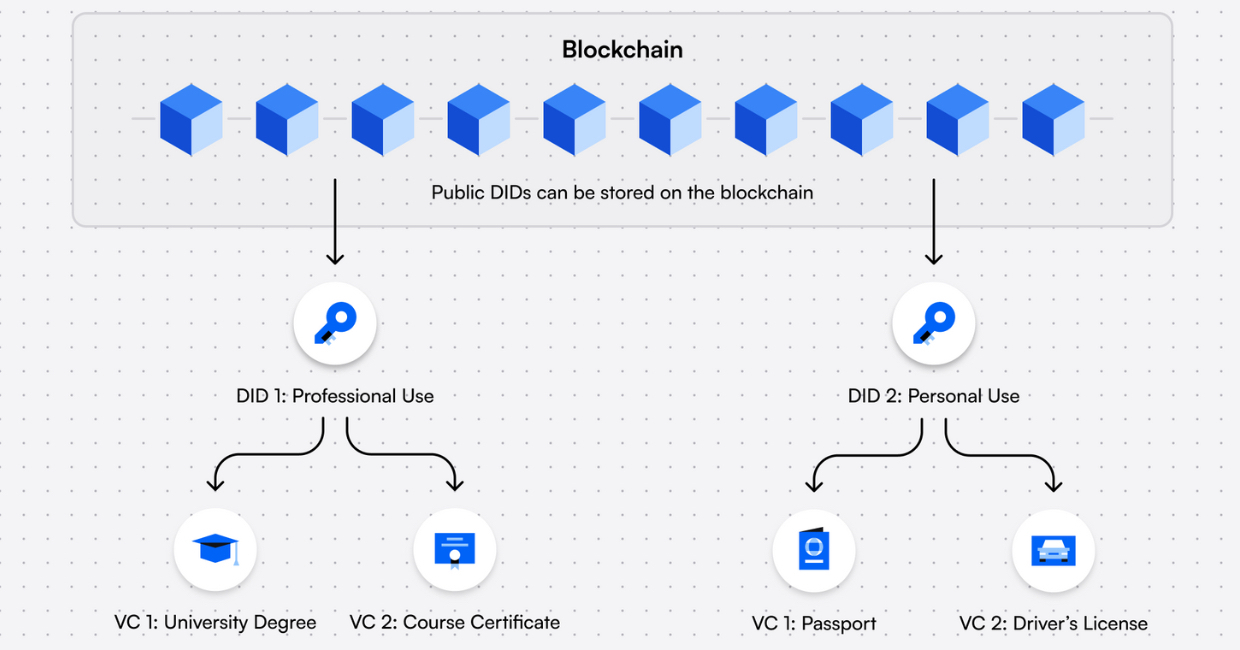
Over the past few months, I’ve been thinking a lot about how Web3 builds trust, and personally, I feel the real question is not just whether the data is correct but who stands behind that data, because the history, reputation, and behavior of the issuer make a real difference between two credentials that contain identical information.
Currently, more than 40 countries are exploring or deploying national digital ID systems, and over 10 countries have piloted CBDCs (central bank digital currencies) such as the Bahamas with its “Sand Dollar” launched in 2020 serving nearly 90% of the adult population, or Nigeria with eNaira serving over 20 million users. These systems are not just experiments; they are actively serving millions of people, and it makes me wonder: is purely technical proof enough to create trust in essential services like social benefits or national payments, or will people rely more on the entities behind those attestations?
What stands out to me about Sign Protocol is that it doesn’t stop at self‑sovereign identity or one‑off credentials. It turns the issuer into a nationally observable infrastructure layer with on‑chain issuance, revocation, and auditability. Personally, I see this as a major difference compared to traditional DID/SSI projects, which mainly focus on individual identity and are rarely directly integrated with monetary systems or public capital distribution programs.
Today, some countries spend billions of dollars annually on aid programs, economic development, and capital distribution, yet many eligibility systems still run on siloed databases that are not interoperable. Sign’s model aims to integrate national ID, digital currency, and capital distribution with verifiable attestations. Personally, I feel this is more than theory: if these attestations can be audited and reused across multiple applications, trust becomes recorded, not just declared.
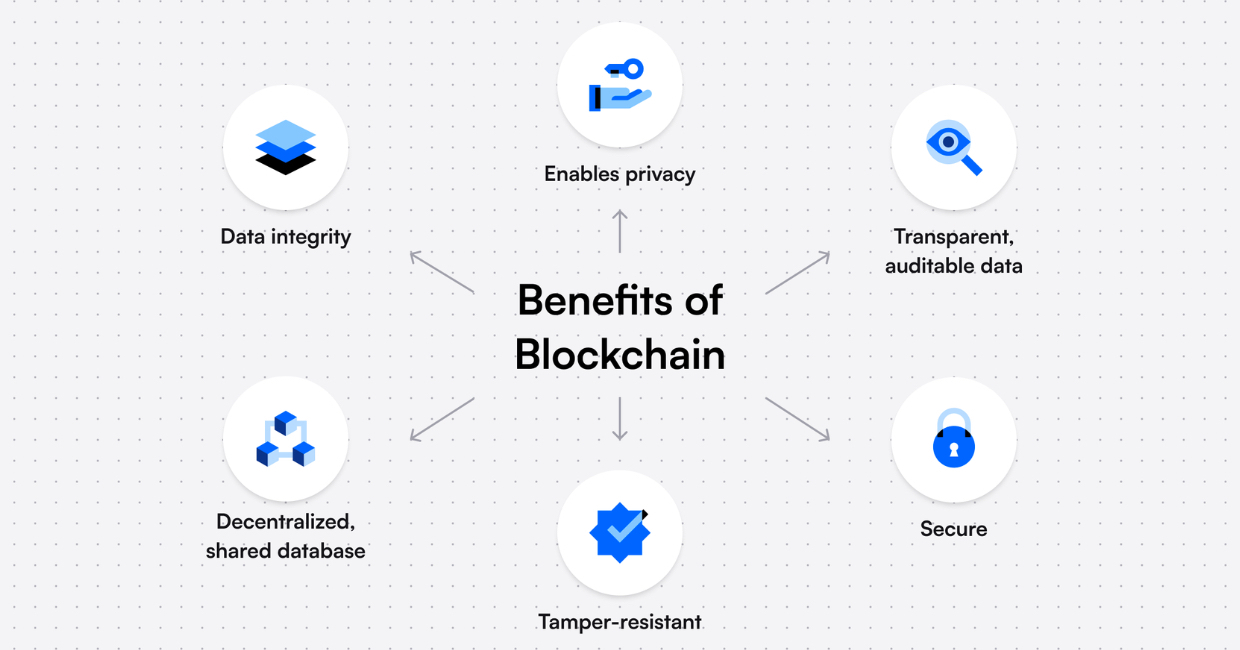
I still wonder: if a few national-level issuers become too dominant, does that create a new form of centralization at the issuer layer even if the data remains on-chain? How can we ensure a balance between national sovereignty and openness so smaller countries aren’t forced to follow a single issuer standard?
For me, this is the key point: instead of only trusting the correctness of the data, we start trusting the source and the legal and social accountability of the issuer. Verification may no longer be a technical feature embedded in each app, but a social infrastructure layer in Web3, where data, currency, identity, and capital distribution are connected in a way that is auditable and verifiable.
Personally, I’ll be watching this closely, because Sign is attempting something very difficult: turning trust into something observable, accountable, and meaningfully consequential.