
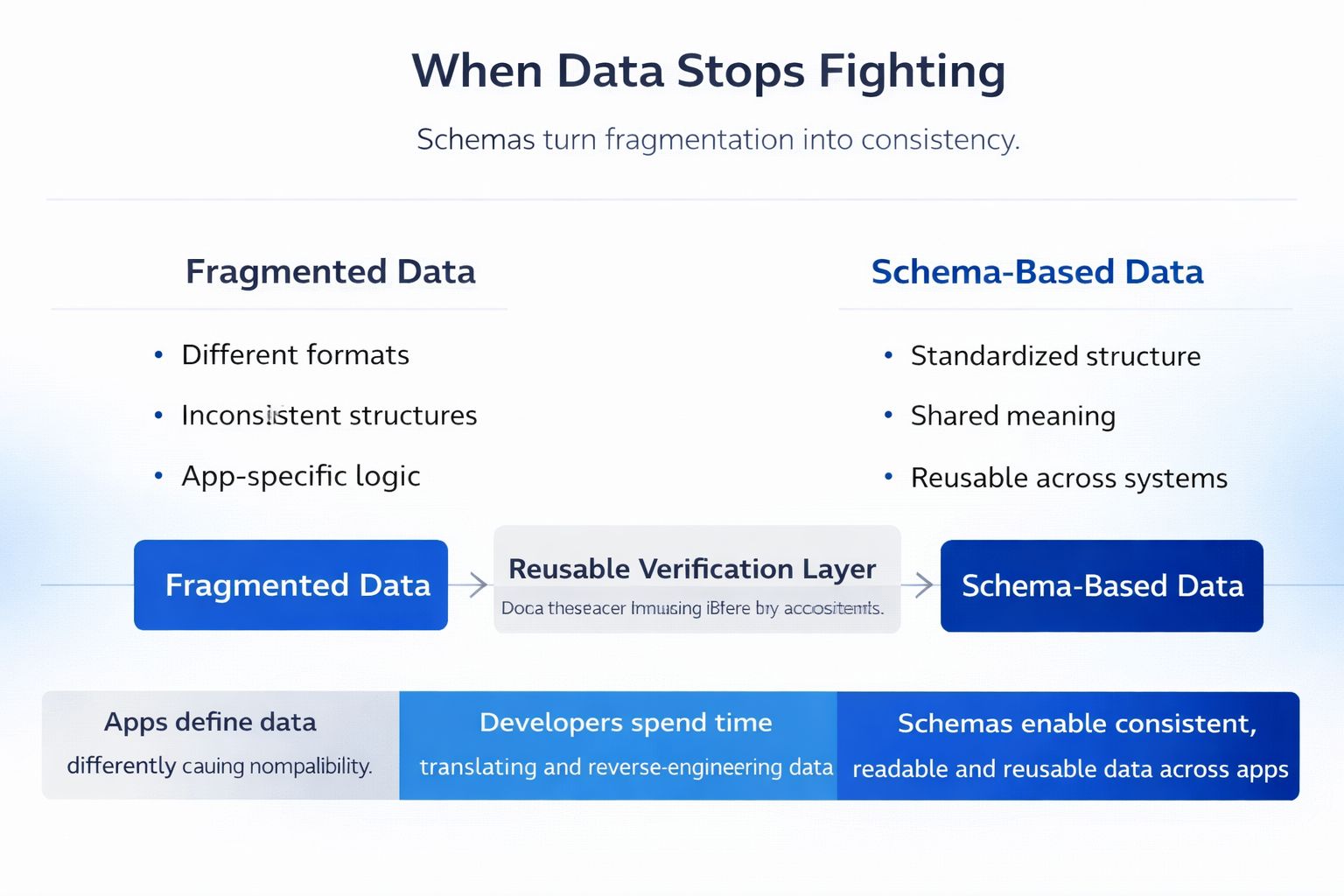
Most crypto projects try to be loud.
SIGN didn’t really do that.
And weirdly, that’s part of why it stands out more now.
Back in 2025, when everything was chasing hype, SIGN felt like it was doing something else in the background. Building users, raising capital, locking in deals. Not completely silent, but definitely not playing the usual attention game either.
The first thing that caught my eye wasn’t even the tech.
It was the community layer.
That Orange Dynasty system sounds dramatic at first, but when you look closer, it’s basically a structured way to coordinate users. Groups, shared incentives, daily rewards. It feels part game, part social layer. And the growth wasn’t small either. Hundreds of thousands of users showing up that quickly usually means something is actually working, not just being marketed.
What makes it more interesting is that the activity isn’t just cosmetic.
It’s tied to verifiable actions. So instead of fake engagement or inflated numbers, you get signals that can actually be checked. That’s a subtle difference, but it matters over time.
Then there’s the token side.
The launch had the usual strong start. Distribution, listings, volume… all the things people watch. But what stood out more to me was what happened after. The buyback. That’s not something you see often. It suggests they’re thinking about structure and positioning, not just momentum.
Still, I don’t think the token story is the main point here.
What shifts the perspective is everything happening around it.
Funding rounds, partnerships, and more importantly, where those partnerships are happening. Once you see involvement at the level of national systems, even if it’s early, it changes the way you read the project.
Because now it’s not just competing for attention inside crypto.
It’s trying to fit into systems that already exist.
And those systems are messy.
Payments, identity, public services… all the areas most crypto projects avoid because they’re slow, complex, and full of constraints. SIGN seems to be stepping into that anyway.
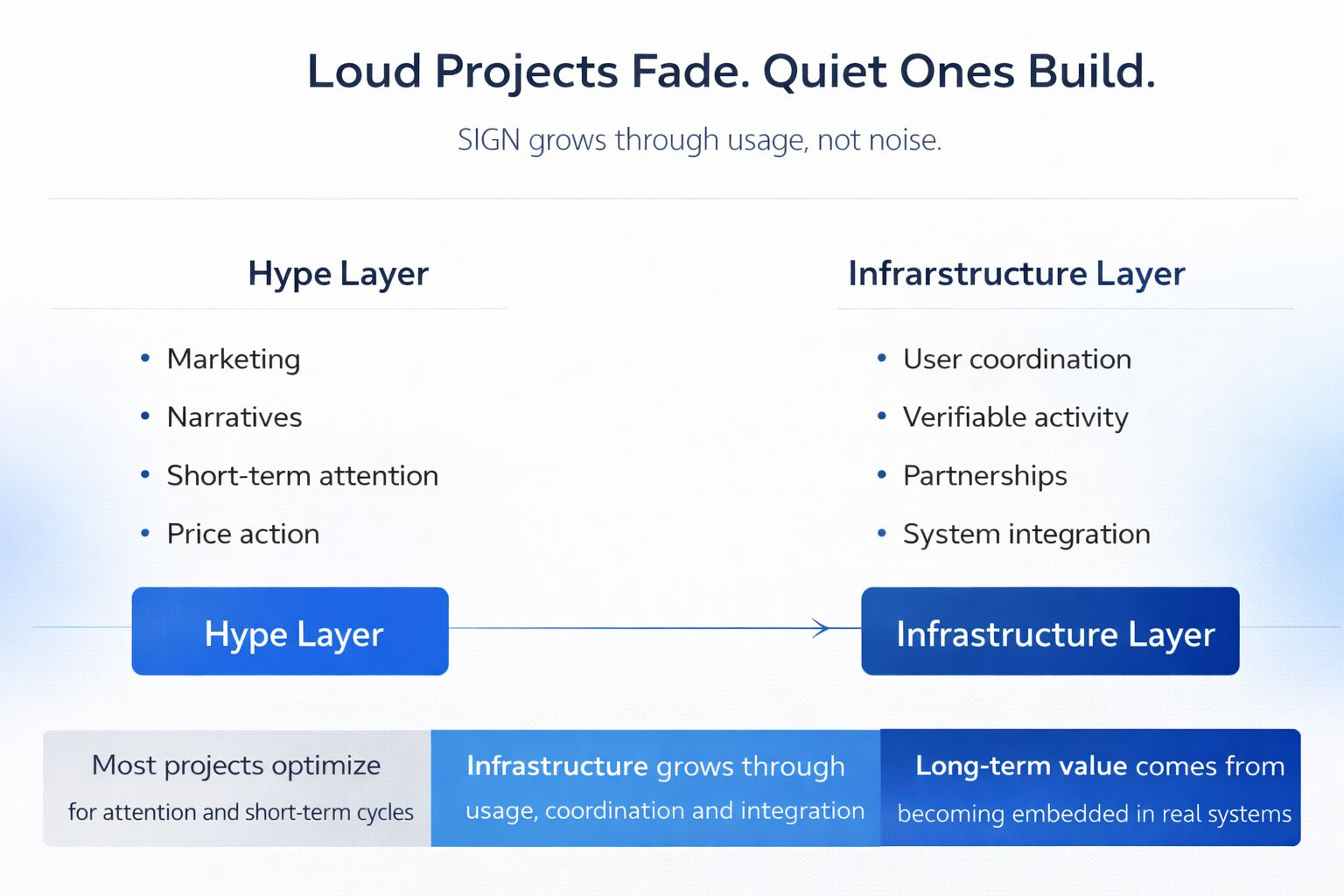
That’s a different kind of bet.
It’s not about winning a cycle. It’s about becoming part of something that keeps running regardless of the cycle.
Of course, that also makes everything harder.
Government timelines are slow. Priorities shift. Execution gets complicated fast, especially across multiple regions. This isn’t the kind of path where things move quickly or predictably.
So I’m not assuming success here.
But I can see the direction.
While most of the market is still focused on narratives and short-term movement, this feels like it’s aiming at something more structural. Something that, if it works, people end up using without thinking about it.
That’s usually what infrastructure looks like.
Not exciting. Not obvious. But necessary.
And maybe that’s why it sticks with me more than I expected.
Not because it’s loud.
Because it isn’t.