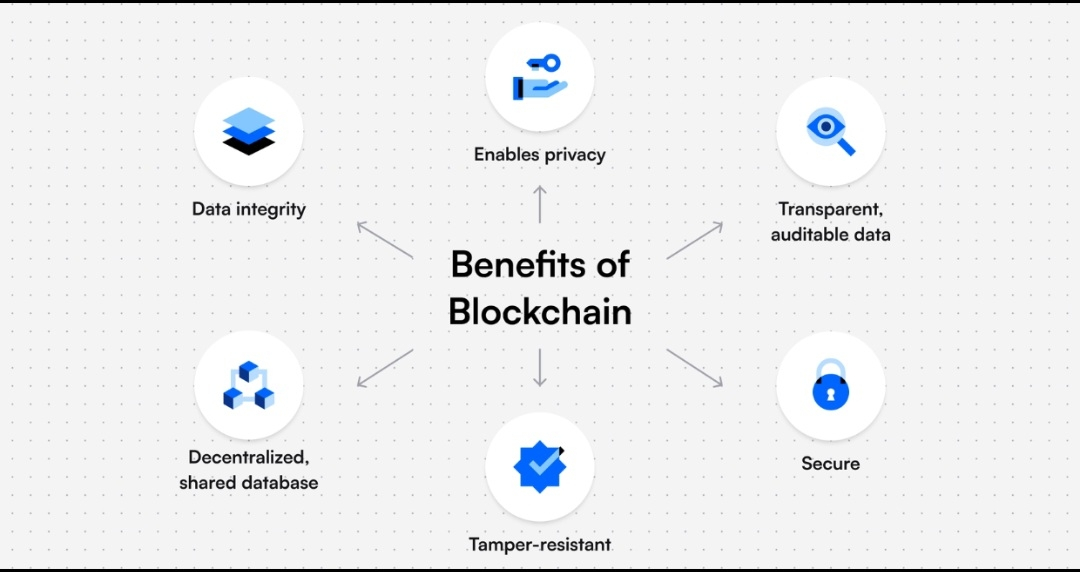
At first, Sign Protocol just looked like another crypto project to me.
You know how it is new names pop up every week, each claiming to redefine identity or fix trust on chain. I had seen enough of those to stop paying attention.
So when I first came across @SignOfficial ,I didn’t try to understand it deeply. I just assumed it was another layer of complexity in an already complicated space.
And honestly… I ignored it.
The First Time I Noticed Something Different
Everything changed the moment I actually interacted with it.
It wasn’t some big announcement or hype thread that got me. It was a simple use case an attestation. 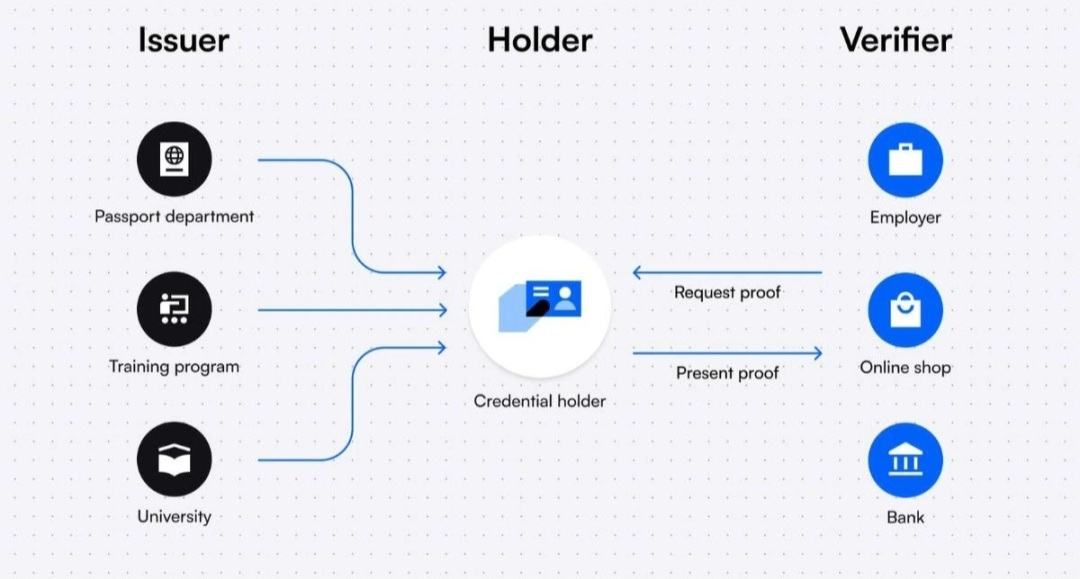
A piece of data that proved something, recorded in a way that couldn’t easily be manipulated.
That’s when it hit me: SIGN isn’t about noise. It’s about proof.
Not the kind of proof we talk about casually in crypto like screenshots or tweets but real, verifiable data that can exist across systems.
And suddenly, it felt practical.
Understanding What SIGN Actually Does
When I dug deeper, I realized something important.
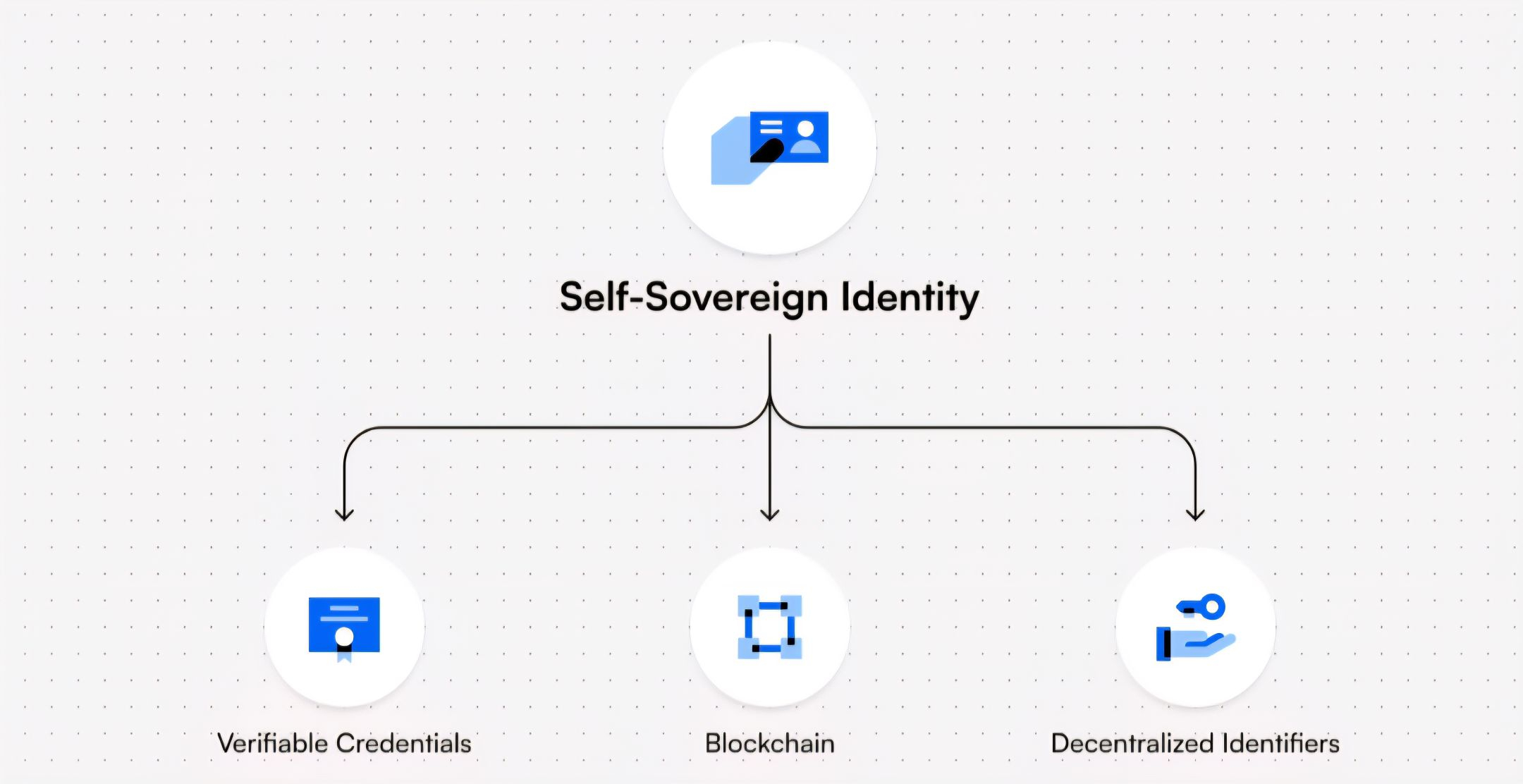
SIGN doesn’t just store data. It structures trust.
It splits information intelligently Some parts live on-chain, some off chain and then reconstructs it when needed. That means data isn’t just sitting somewhere permanently. It’s dynamic, filtered, and context aware.
It also uses secure environments (like TEE) to ensure that sensitive information stays protected while still being usable.
At first, that sounded complicated. But when I thought about it in real world terms, it made sense:
Your identity
Your credentials
Your history
None of these are static in real life so why should they be static on chain?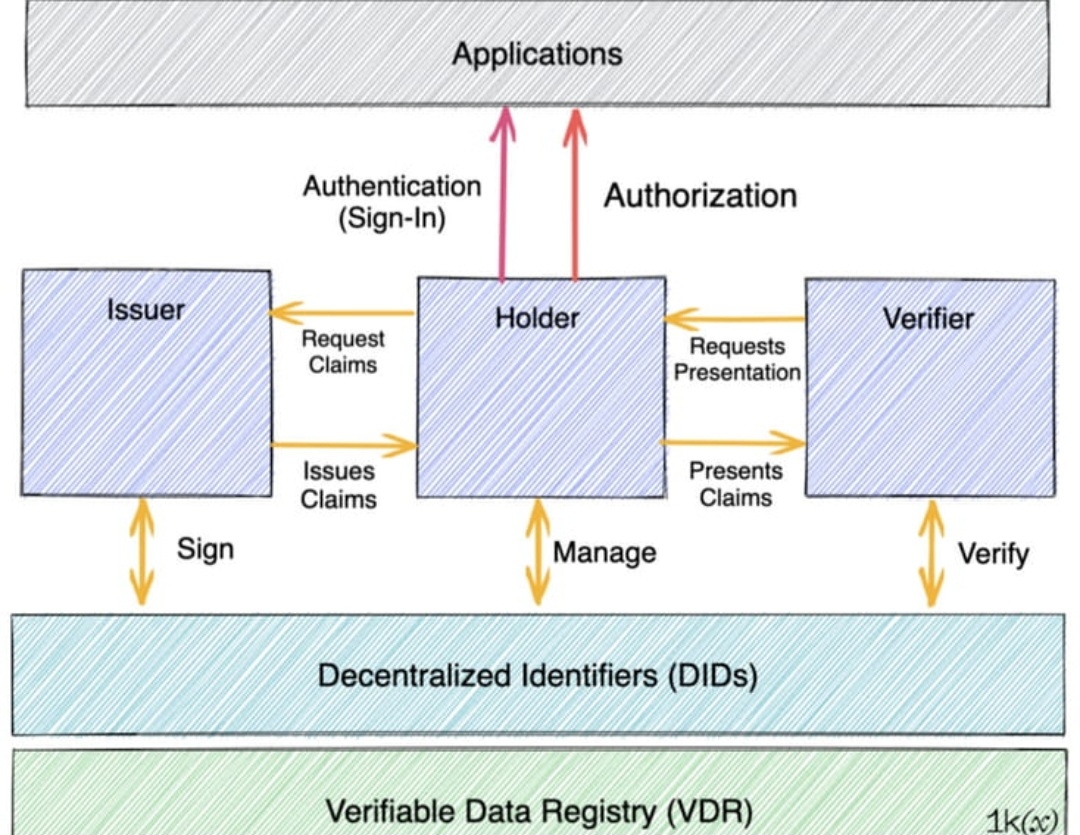
SIGN treats them as living data.
Why It Finally Clicked for Me
The real shift happened when I stopped looking at SIGN as a “project” and started seeing it as infrastructure.
It’s not trying to be loud.
It’s trying to be useful.
That’s a big difference.
Most of crypto focuses on price, hype, and short-term attention. But SIGN is building something quieter a system where
Credentials can actually mean something
Data can move across chains without losing integrity
Users can carry their identity without depending on a single platform
And that’s when it clicked.
Not because someone explained it perfectly.
But because I experienced it.
Final Thought
I didn’t get SIGN at first and that wasn’t because it was confusing.
It was because I was looking at it the wrong way.
I was expecting hype.
But what I found was infrastructure.
And infrastructure doesn’t impress you instantly…
it proves itself over time.
That’s exactly what SIGN did for me.