
I didn’t plan to pay much attention to @SignOfficial at first.
Like most Web3 projects, it sounded familiar digital identity, verification, cross border trust. We’ve heard all of this before. Honestly, most of the time, these ideas look good on paper but fall apart when they meet real world systems.
But after spending some time looking into $SIGN I started noticing something different.
Not revolutionary. Not perfect. But… practical.
What I kept coming back to
What I kept coming back to was this.
how to verify information across different systems without breaking everything in between.
The way I started understanding it was governments want control. Public blockchains want openness.
Businesses want something that just works
and usually, these three don’t get along.
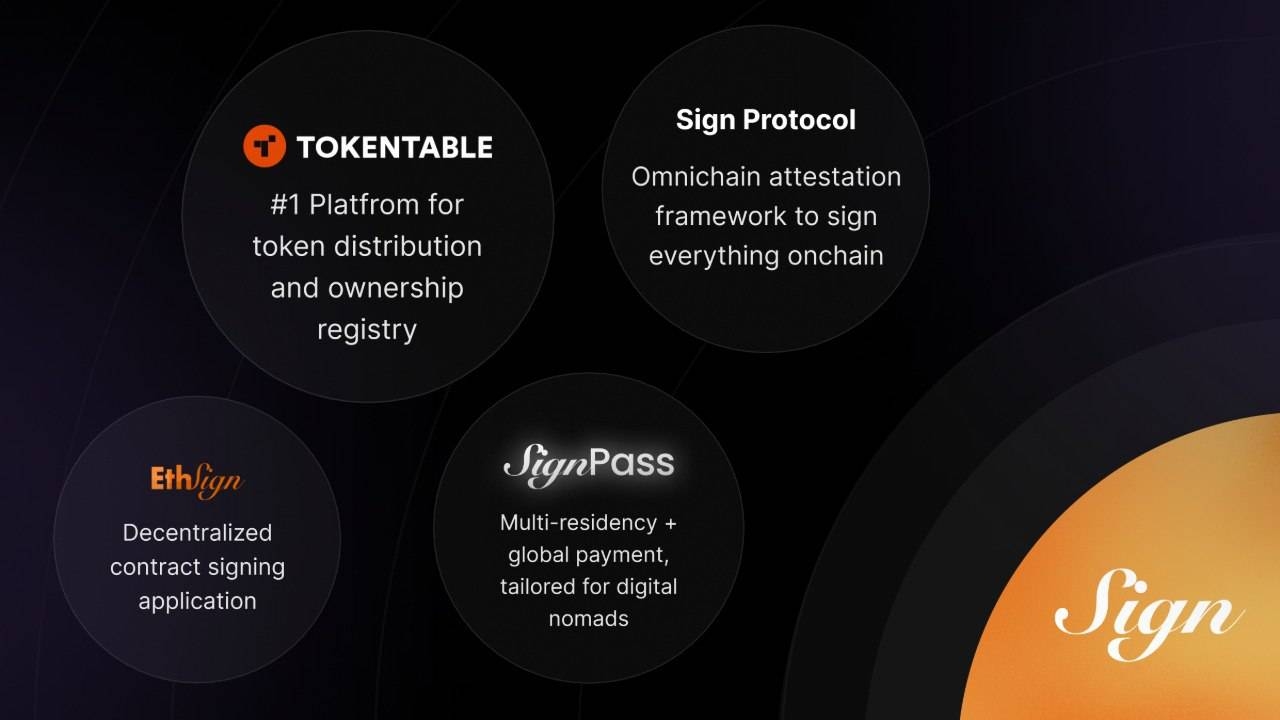
Sign is trying to sit in the middle of all this.
Instead of forcing everything onto one system, it focuses on attestations basically verifiable proofs that can move across platforms. That idea isn’t new, but the way Sign is structuring it feels more usable than most.
Where it actually started making sense to me
From my perspective, Sign becomes interesting in situations like:
Cross border identity checks
Credential verification
Government related integrations
Web2 ... Web3 bridges
These are areas where things usually get messy fast. Most projects either ignore regulation completely or become too centralized trying to comply.
Sign seems to be trying a middle path. That’s not easy. The part I think people don’t question enough. Now let’s be real.
There are still some questions that shouldn’t be ignored. If no one actually uses it, none of this matters
The idea only works if institutions actually use it. Without real adoption, it’s just another framework.
Will this feel simple enough to use?
Even if the backend is strong, will normal developers or organizations find it easy?
Because if it feels complicated, they won’t bother. Does the token actually matter here?
Like many Web3 projects, there’s always a question. Does the token SIGN play a meaningful role, or is it just part of the ecosystem design?
Right now, that part still feels a bit unclear.
What geniuenly feels different to me. Despite the doubts, one thing stands out to me. Sign doesn’t feel like it’s trying to “replace everything.”
It feels more like it’s trying to connect things that already exist. That’s a unique approach but according to me a smarter one.
Because in reality, governments, enterprises and blockchain systems are not going anywhere. The future isn’t one replacing the other. It’s coexistence.
Where I’ve landed (for now)
I wouldn’t say Sign is a perfect solution. But I also wouldn’t dismiss it as just another Web3 idea.
It sits in an interesting space between ambition and practicality.
And if it manages to actually get real world usage, especially in regulated environments, it could become more important than it looks right now.
For now, I see it as,
Not hype driven.
Not fully proven.
But definitely worth watching.
#SignDigitalSovereignInfra $SIGN
