
I didn’t come into S.I.G.N thinking about “portable trust.” It sounded like one of those phrases that tries to compress a complex idea into something clean enough to market. But the more time you spend around crypto systems, the more you notice the actual problem isn’t a lack of trust it’s that trust doesn’t travel well.
You verify something once, somewhere, and it just stays there. A KYC check tied to one platform, a reputation score locked inside a single app, a whitelist that only matters in one ecosystem. Then you move somewhere else and start from zero again. Not because the information doesn’t exist, but because it can’t move in a usable way.
What S.I.G.N is doing, through its Sign Protocol, is treating trust as something that can be packaged, signed, and carried across environments. Not as a vague social signal, but as structured data attestations. A statement that says something specific, issued by someone, about someone, and verifiable by anyone who cares to check. The important shift is that once this statement exists, it isn’t stuck where it was created. It can be used again, in a completely different context, without being reissued.
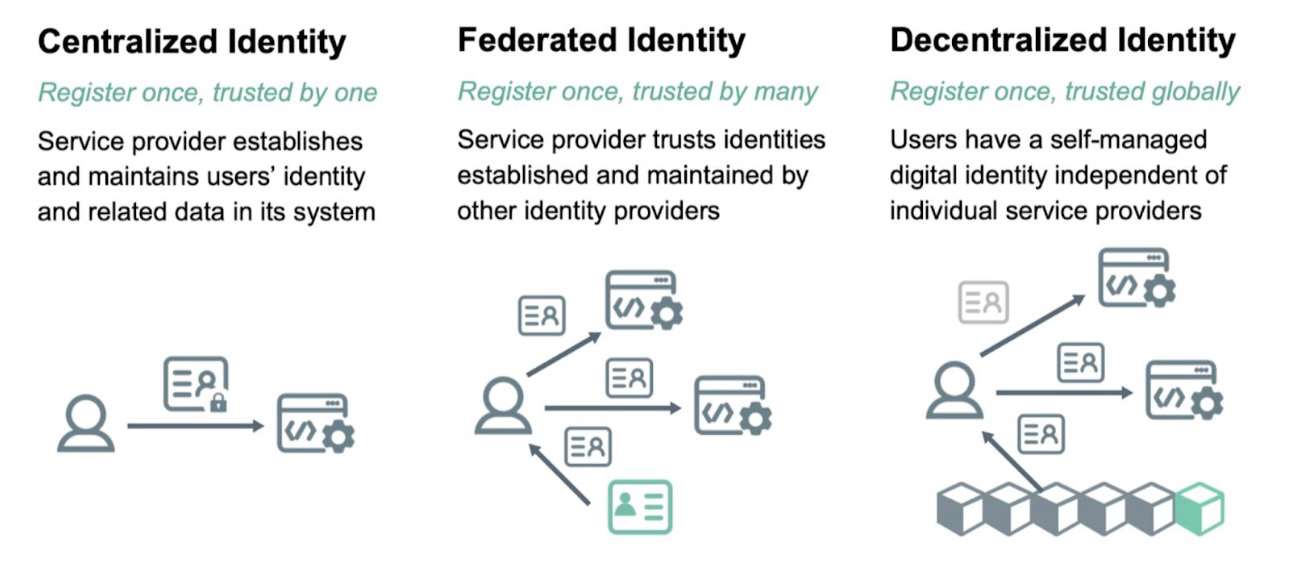
That only works because the system isn’t tied to a single chain. These attestations are designed to be omnichain, meaning they can be verified across different ecosystems instead of being native to one. So the trust you establish in one place doesn’t dissolve the moment you interact somewhere else. It follows you, not as a profile, but as proof.
There’s also an attempt to clean up how this information is structured. Instead of every application defining trust in its own messy way, S.I.G.N introduces schemas basically templates that define what a valid attestation looks like. It sounds like a small detail, but it matters because without standardization, portability breaks. If every system speaks a different language, nothing actually transfers.
The attestations themselves are cryptographic, which is where the system becomes less about belief and more about verification. You’re not trusting the platform; you’re verifying the signature, the issuer, and the data. It behaves more like a notary layer than an identity system, which is probably the more accurate mental model.
At the same time, it doesn’t force everything into full transparency. There’s room for selective disclosure proving that something is true without exposing the underlying data. That becomes important if this kind of infrastructure ever touches real-world use cases where privacy isn’t optional.
Storage is handled in a hybrid way, which feels pragmatic rather than ideological. Some data sits on chain for immutability, some off-chain for efficiency. Pure on-chain systems sound nice until you try to scale them; pure off-chain systems defeat the point. This sits somewhere in between.
What makes it more interesting is how composable the whole thing is. These attestations aren’t meant for a single application they’re meant to be reused across systems. A DAO, a DeFi protocol, a government registry, theoretically all reading from the same layer of verifiable claims. That’s where the idea of portable trust actually starts to feel less like branding and more like infrastructure.
If you compare it to how things usually work, the difference becomes clearer. In Web2 systems, identity is centralized and siloed. A company verifies you, stores that verification, and you rely on them every time it needs to be referenced. You don’t carry anything they do. In basic Web3, identity collapses into a wallet address, which is portable but mostly meaningless on its own. It proves ownership, not credibility. Other identity systems, like DID frameworks, move closer to user ownership, but often feel fragmented or constrained within specific ecosystems.
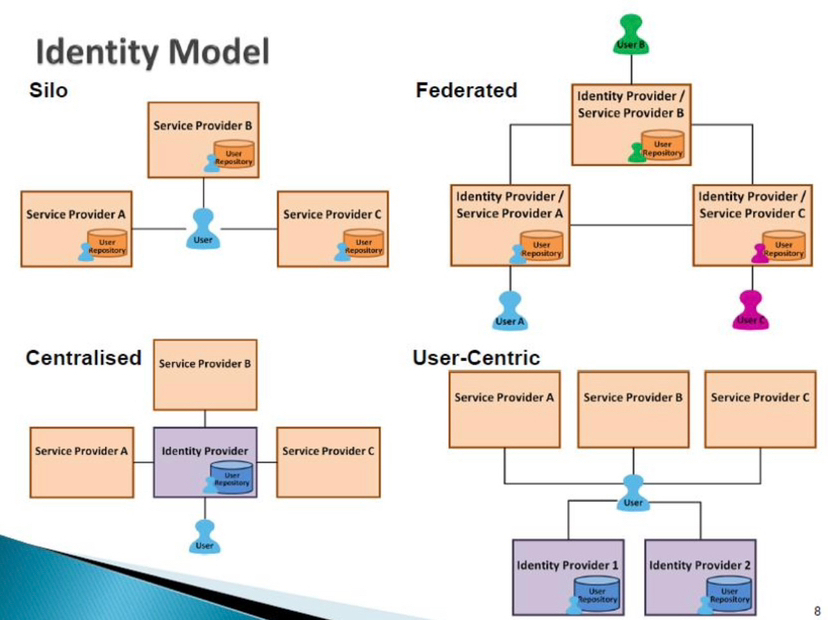
S.I.G.N sits in a slightly different position. It’s less focused on building a singular identity and more focused on making individual pieces of trust reusable. Not who you are in a broad sense, but what can be proven about you, in specific contexts, and how that proof can move.
Most systems are trying to answer how to verify something once. This is trying to make that verification persist, to become something you don’t have to redo every time you cross a boundary. Whether that actually works at scale depends on adoption, standards, and whether other systems are willing to read from the same layer instead of rebuilding their own.
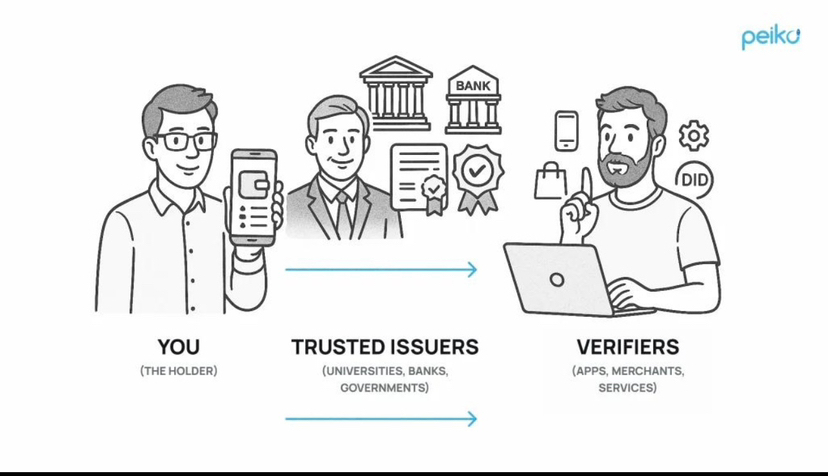
But if you strip it down, the idea is simple enough to hold onto. Instead of constantly re-proving things about yourself, you accumulate proofs that can be checked anywhere. And if that works, even partially, it changes how friction shows up across the entire space.