

There’s a misconception in both Web2 and Web3:
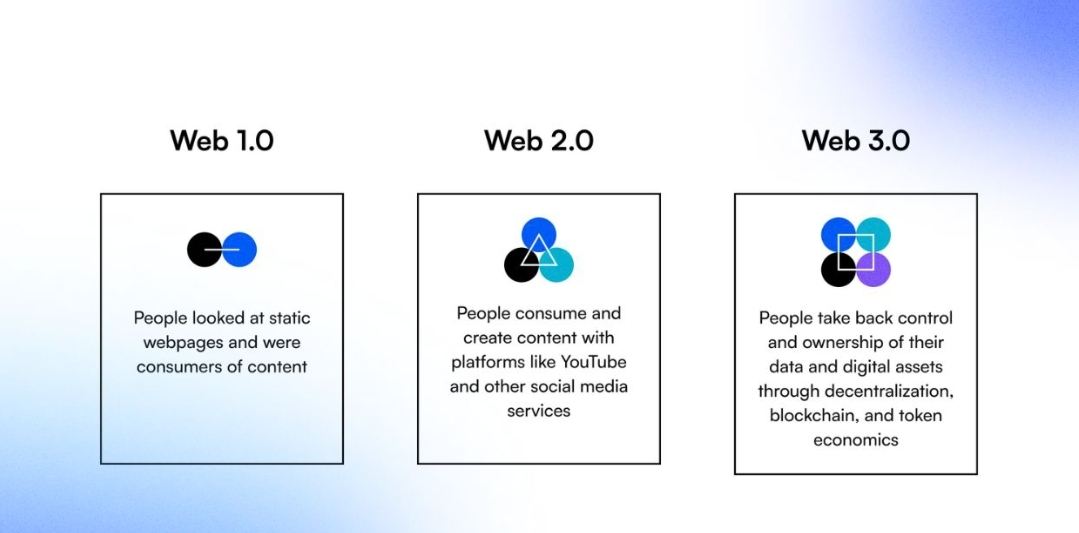
That digital identity is something you “build.”
It isn’t.
Every country, every system, every platform already has identity.
What they don’t have is coherence.
Right now, identity looks like this:
Civil registries
National ID systems
Bank KYC databases
App logins
Government portals
All existing.
All fragmented.
All constantly asking you to repeat yourself.
That’s the real inefficiency.
Not lack of data
Lack of usable continuity.
The Three Models Everyone Talks About
Most identity systems fall into three categories: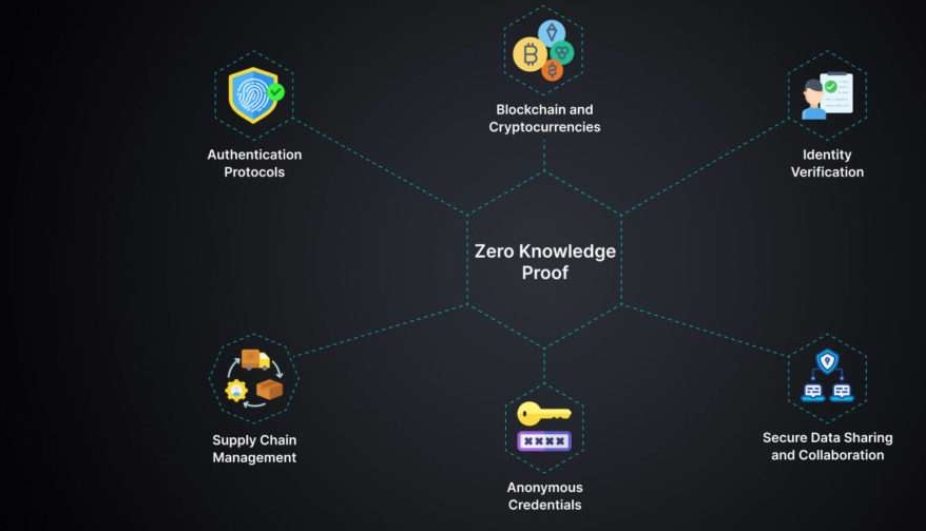
1. Centralized systems
One source of truth. Easy to scale. Easy to control.
But also:
→ Single point of failure
→ Data overexposure
→ Built-in incentive for over-collection.
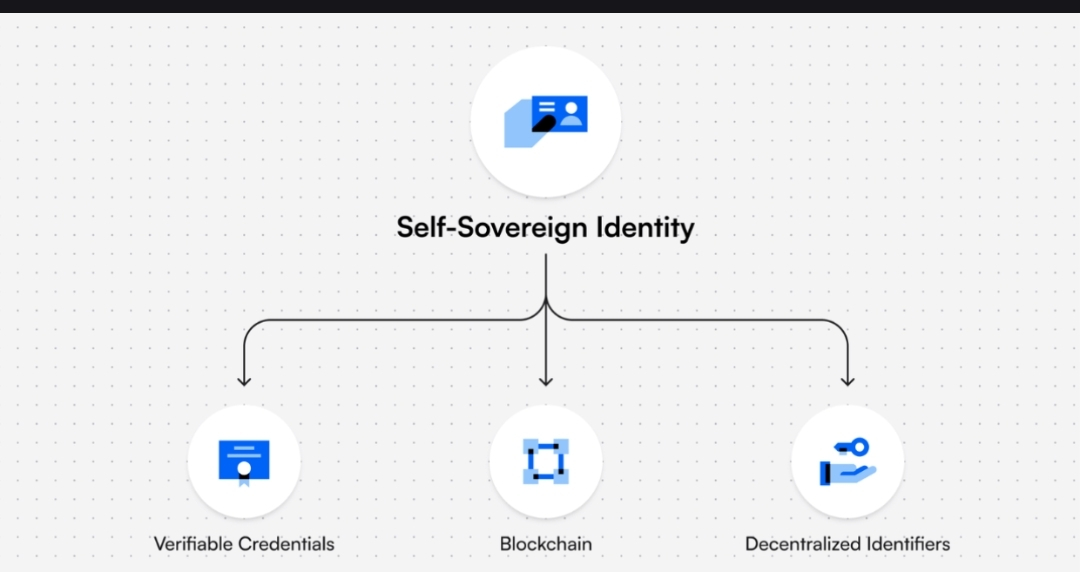
2. Federated systems
Different institutions connected through an exchange layer.
Better interoperability.
But: → Complex governance
→ Hidden centralization (at the broker layer)
→ Still heavy data movement. 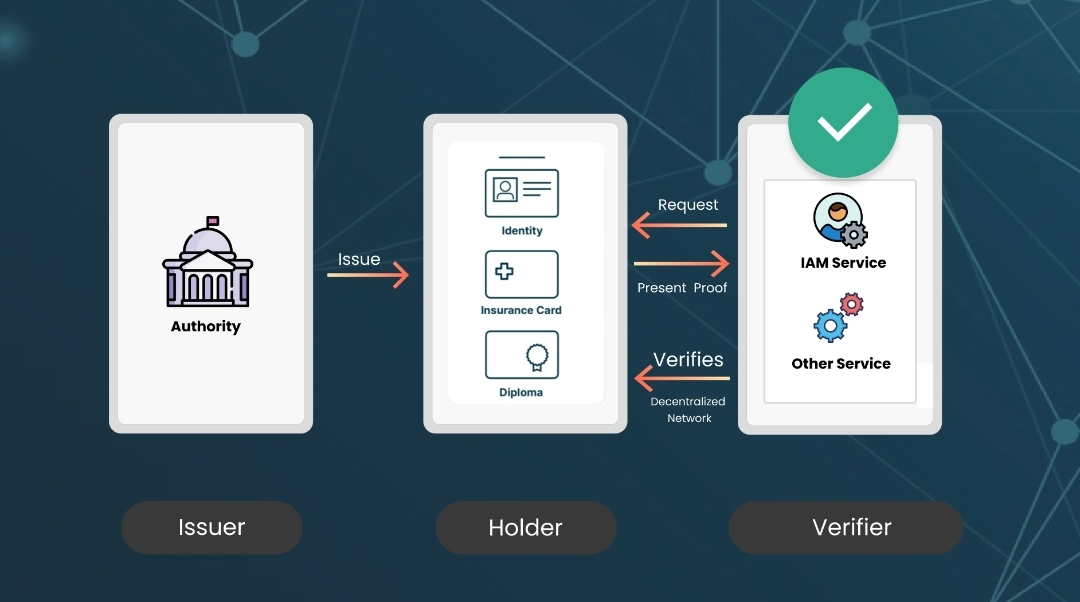
3. Wallet-based systems
User holds credentials.
Shares only what’s needed.
Best for privacy and control.
But:
→ Hard to implement at scale
→ Requires strong trust frameworks
→ Breaks without proper standards
The Truth Nobody Likes
None of these models win alone.
And no country, no platform, no ecosystem actually operates in just one.
You always end up with a mix.
Which creates a new problem:
How do these systems trust each other without copying everything everywhere?
This Is Where the Real Shift Happens
Sign is not building another identity system.
It’s building the layer beneath all of them.
A trust fabric.
What That Actually Means
Instead of moving data, you move proof.
Instead of sharing full profiles, you share verified claims.
Instead of re-running processes, you reuse outcomes.
Core pieces: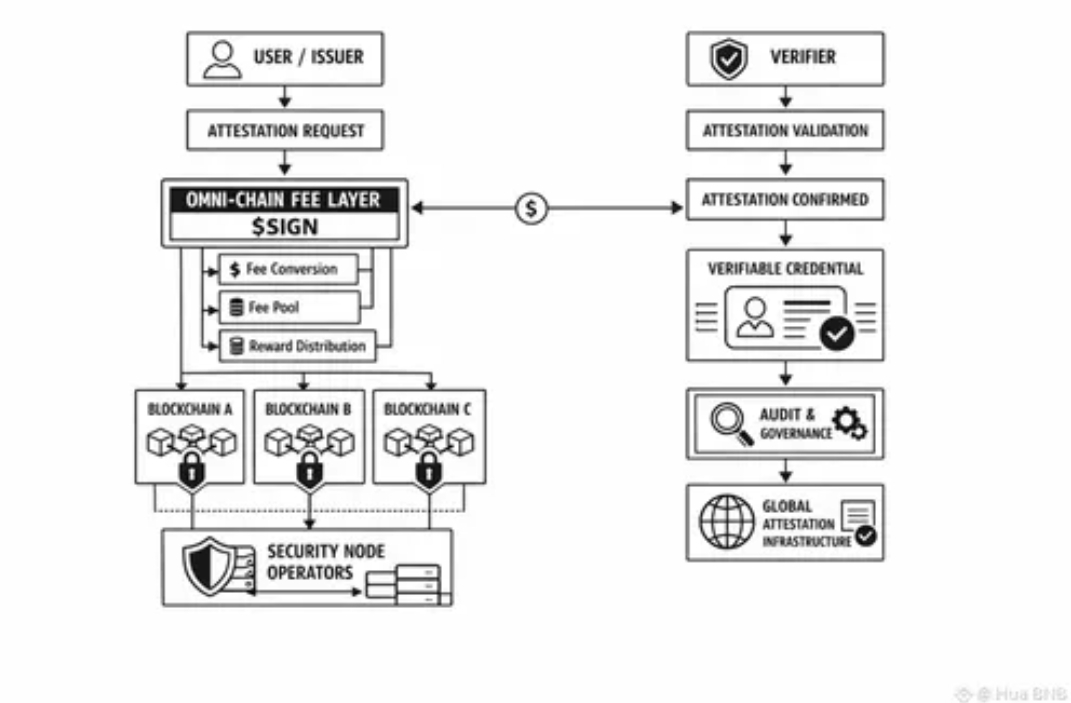
→ Attestations
Proof that something happened (KYC passed, eligibility confirmed)
→ Schemas
Standardized structure so different systems interpret data the same way
→ Selective disclosure
Only reveal what’s necessary, nothing more
→ Cross-system verification
Proof created in one place works in another
Why This Matters More Than It Sounds
Today’s flow:
User action → Data stored → Context lost → Repeat everything
With this model:
User action → Proof created → Proof reused → No repetition
That’s not a small UX upgrade.
That’s a fundamental efficiency shift.
The Real Unlock
The biggest unlock isn’t identity.
It’s removing redundant trust processes.
No repeated KYC loops
No re-verifying the same facts
No rebuilding context across apps
And importantly:
No unnecessary data exposure just to prove simple things.
The Bigger Picture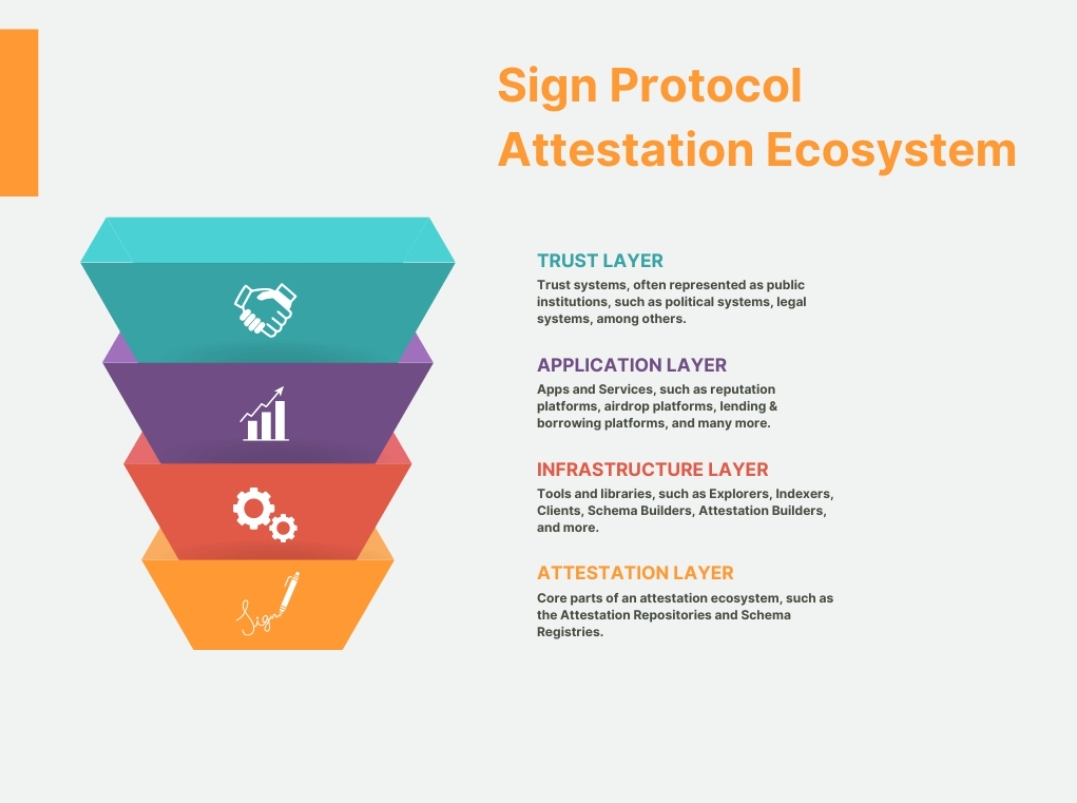
Most systems today optimize for:
Data collection
This model optimizes for:
Data minimization + proof reuse
That’s a completely different design philosophy.
Final Thought
Crypto doesn’t struggle to record truth.
It struggles to use it once it’s recorded.
If that changes…
You don’t get a flashy new feature.
You get something much more important:
Less friction
Less repetition
More continuity
And for the first time…
Your actions actually follow you.