
I’ve been paying attention to Sign (SIGN) for quite some time now, and after seeing this new leaderboard campaign roll out, I felt like I needed to sit down and put my thoughts into words — not as some hype machine, but as someone who’s been in crypto long enough to notice patterns, repetitions, and genuine departures from the usual noise.
When I first started digging into what Sign is trying to build, I found myself pausing more than once. The idea — a global infrastructure for credential verification that can work across multiple blockchain networks — sounds lofty, and honestly, I’ve heard similar grand visions before. Lots of projects talk about being foundational infrastructure for the next generation of decentralized systems. The surprising thing with Sign, though, is that when you peel back the layers, there is a tangible set of tools and real usage data beneath the surface. Their omni‑chain attestations and the TokenTable mechanism for distributing tokens aren’t just theoretical concepts — they’ve already been deployed, and they’ve touched millions of wallets. That alone made me raise an eyebrow.
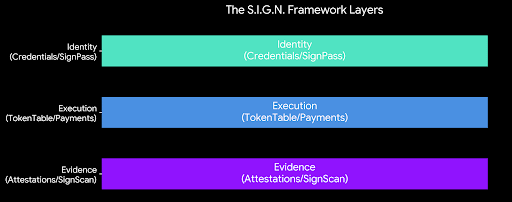
But let’s talk about the leaderboard thing, because that’s what’s fresh right now and what really sparked this internal monologue. The campaign is a classic gamification strategy: do tasks, earn points, climb the leaderboard, and get SIGN tokens as a reward. Tasks range from social engagement to interacting with the ecosystem in other ways. I’ve seen this playbook used many times before. On the surface, it makes sense — people love tangible goals, progress bars, and competition. It’s human nature. The mechanics are designed to create a sense of motion and activity, and for a project trying to onboard more users, that’s a smart starting point.
But here’s where I get cautious. Leaderboard campaigns are brilliant at driving surface‑level engagement, yet they often fail to cultivate deep, lasting engagement. I remember projects where leaderboards lit up like Christmas trees, only to dim abruptly once the rewards stopped flowing. People would log in just to complete tasks, and when tasks dried up, so did the users. The real question is: will participants stay once the leaderboard season ends? Will they use Sign’s infrastructure tools because they find value in them, or will they drift back to other projects that offer the next shiny incentive?
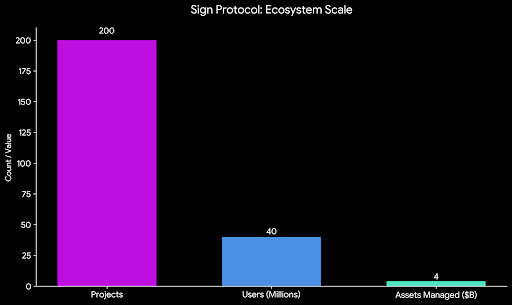
What stands out about Sign compared to many of the hype‑driven launches I’ve seen is that it’s not just about a token drop or momentary buzz. The protocol is building something that could have utility beyond simple participation rewards — identity verification, cross‑chain credential attestations, and tools that developers could integrate into real applications. But here’s the thing: infrastructure projects live or die by adoption among builders and real users, not by how many people earn points in a two‑week sprint.
I noticed that Sign has been associated with various real‑world pilots and partnerships in different regions. That’s encouraging in the sense that it shows the team is thinking beyond just crypto native audiences. These aren’t just random academic papers — there are actual implementations involving governments and enterprises. That’s difficult to achieve and takes a lot of trust and real engineering work. And yet, even with these signals of promise, there’s still a long road between pilots and widespread use.
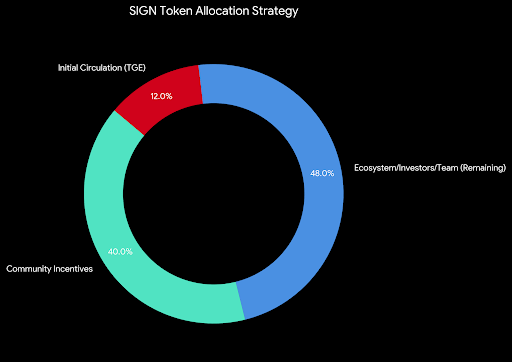
Another piece of the puzzle that made me stop and think is the token distribution itself. There’s a large allocation set aside for community incentives — hence these kinds of campaigns — but also sizable portions reserved for ecosystem growth, early backers, and long‑term foundations. That design is normal, but it also means that liquidity and price action can sometimes feel detached from organic network demand. Looking at trading patterns, SIGN hasn’t had explosive volume or demand compared to more established infrastructure tokens. It moves, but often in fits and starts. That doesn’t mean it’s invalid — it simply means the market hasn’t fully decided what role it thinks SIGN should play yet.
What feels genuinely different here is the type of utility the project is aiming for. Decentralized identity and credential systems have been talked about for years, but rarely have I seen something that presents real, functioning tooling with measurable attestations live on chain. If developers begin to adopt these tools — using them for access control, reputation systems, verifiable credentials, and other everyday use cases — then the project crosses a threshold from “interesting idea” to “useful infrastructure.” That’s the kind of growth that doesn’t rely on leaderboards or temporary tasks.
Still, we’re in a transitional phase. The leaderboard campaigns help generate initial interest and community growth. They pull users in, which is valuable. But what matters more is whether the metrics behind the scenes — developer activity, real attestations, integrations — show real, sustained momentum. That’s harder to measure from the outside, but it’s the heartbeat of any infrastructure project that hopes to stick around.
So where does all this leave me? I’m not leaping to conclusions. I’ve seen plenty of projects rise and fall, and I’ve also seen ones quietly build under the radar before suddenly finding product–market fit. I’m cautiously curious rather than exuberantly optimistic. I’m watching how the ecosystem evolves after the leaderboard lights dim, paying attention to real user habits, developer interest, and genuine utility instead of just surface excitement.
In the end, I’m waiting to see how Sign performs when real demands meet real usage — when incentives fade but real value remains. That’s the moment that will reveal whether this project is a short‑lived campaign phenomenon or a piece of infrastructure with lasting relevance. I’ll be observing that quietly, without hype, just like I’ve learned to do after years in this space.