
I’m not coming into this excited.
That’s probably the most honest place to start.
Because if you’ve been here long enough, you don’t react to new projects with curiosity anymore — you react with pattern recognition. You’ve seen the cycles. The narratives. The urgency that fades into silence. And somewhere along the way, you stop asking “what is this?” and start asking “what’s missing this time?”
That’s how I approached $SIGN.
Not as an opportunity. Not as a trend.
But as a question: why does everything on-chain still feel unverifiable at a human level?
Because here’s the uncomfortable truth —
we built transparent systems, but not trustworthy ones.
Wallets are visible, transactions are immutable, data is public…
yet none of it tells you who you’re actually dealing with.
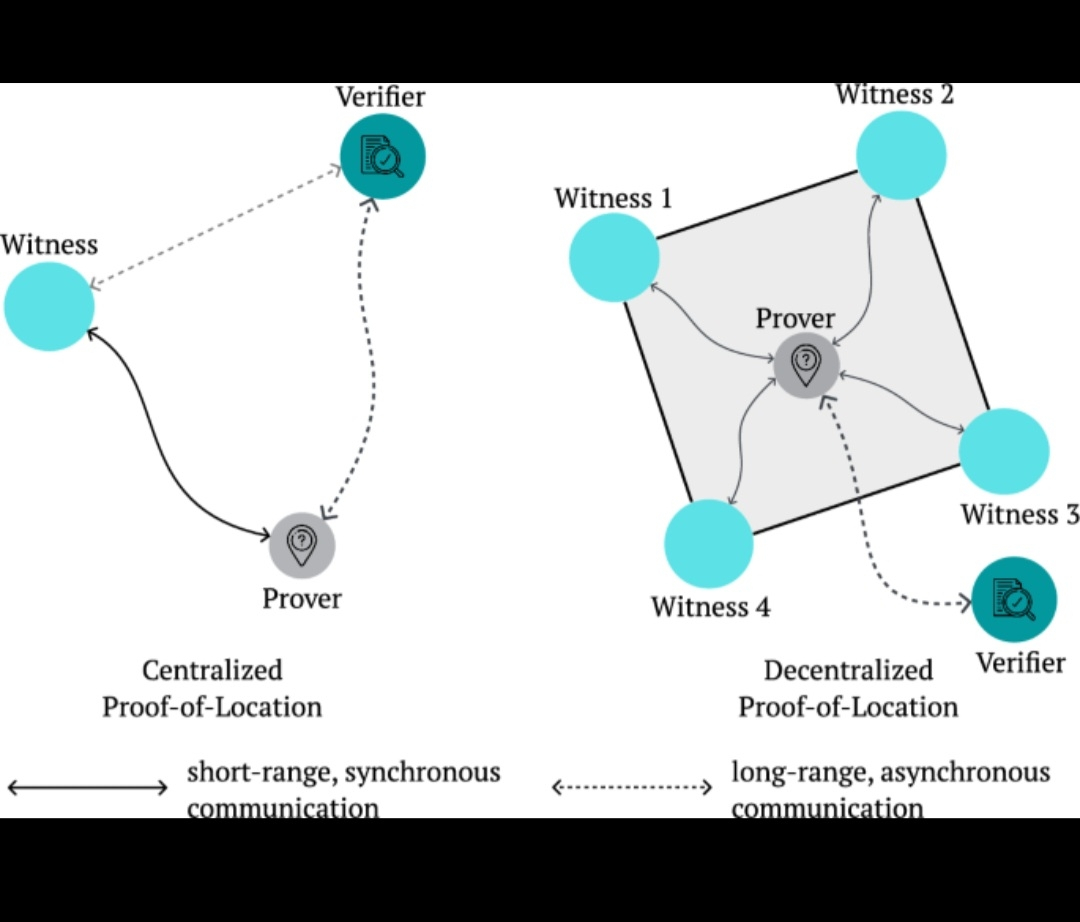
A wallet could be a user, a bot farm, a coordinated Sybil cluster, or a rented identity.
And the system doesn’t care.
That’s not a bug. That’s the design.
And it worked — until it didn’t.
Because now we’re trying to scale systems that assume trust… without ever defining it.
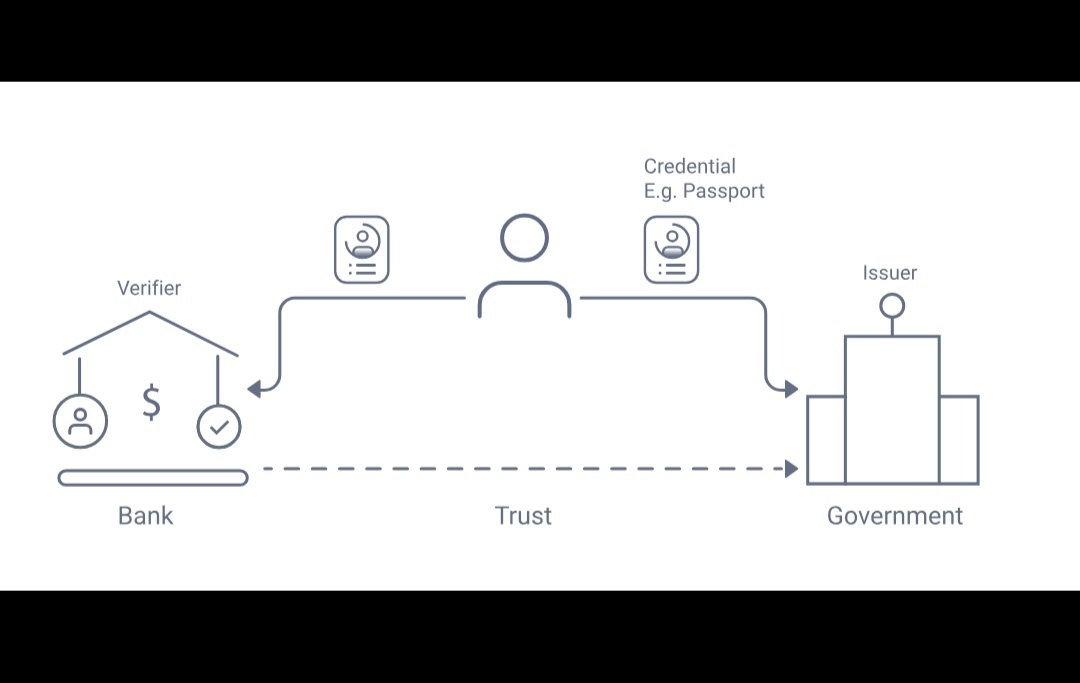
What $SIGN does — and this is where it actually gets interesting —
isn’t trying to “fix crypto” in a broad, abstract way.
It’s narrowing in on something far more structural:
verification as infrastructure.
Not identity in the Web2 sense.
Not KYC pipelines or centralized credentialing.
But attestations. Proofs. Signals tied to real actions, real entities, real context —
anchored on-chain in a way that can be reused, composed, and trusted across applications.
That shift matters more than it sounds.
Because instead of asking users to prove themselves over and over again,
you start building a system where credibility compounds.
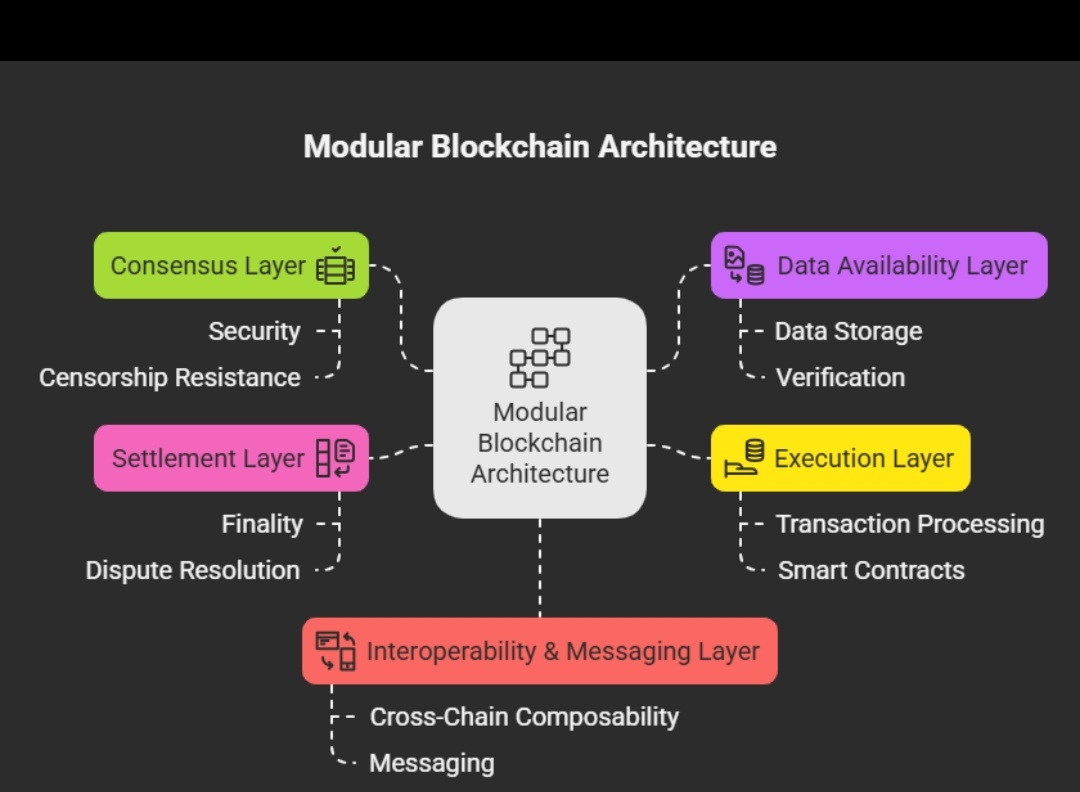
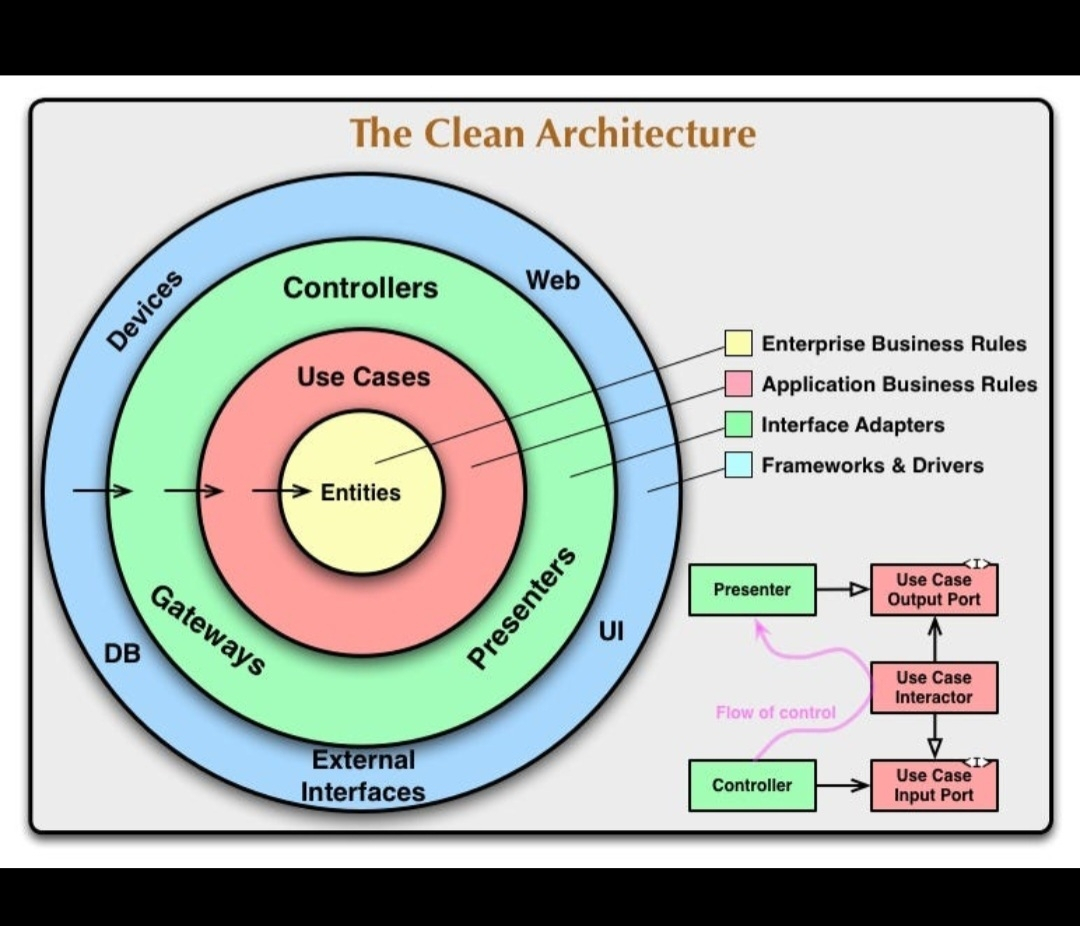
From a system design perspective, this is the missing layer.
We talk about execution layers, data availability, settlement…
but rarely about trust layers — the logic that determines whether any interaction actually means something.
Without that, everything else is just throughput.
With it, you start unlocking entirely different behaviors:
Applications that can distinguish real users from noise
Incentive systems that reward verified participation
Governance that isn’t easily manipulated
Networks that don’t rely on blind assumptions
This isn’t about making things more “secure” in the traditional sense.
It’s about making them credible.
And there’s a difference.
I’m still not excited.
But I’m paying attention.
Because $SIGN doesn’t feel like it’s trying to sell a narrative —
it feels like it’s addressing something we’ve all quietly adapted to, but never solved.
And maybe that’s why it stands out.
Not because it promises to change everything overnight…
but because it’s working on the part of the system that determines whether anything we build on top actually holds.
If crypto ever matures beyond cycles and noise,
it won’t be because of louder narratives.
It’ll be because trust — real, verifiable, portable trust
finally became part of the architecture.
And right now, $SIGN looks like it’s trying to build exactly that.