

Sign is something I keep coming back to, not because it’s loud or demanding attention, but because it isn’t. In a space that usually moves fast and speaks even faster, there’s something disarming about a system that just… sits there, waiting to be used.
I’ve been noticing how easy it is to misunderstand something like this at first glance. You hear “attestations,” “signatures,” “on-chain verification,” and it all blends into the usual vocabulary. It sounds familiar enough that you almost assume you know where it’s going. But the longer I watch it, the less certain I feel about what it actually becomes when people start leaning on it.
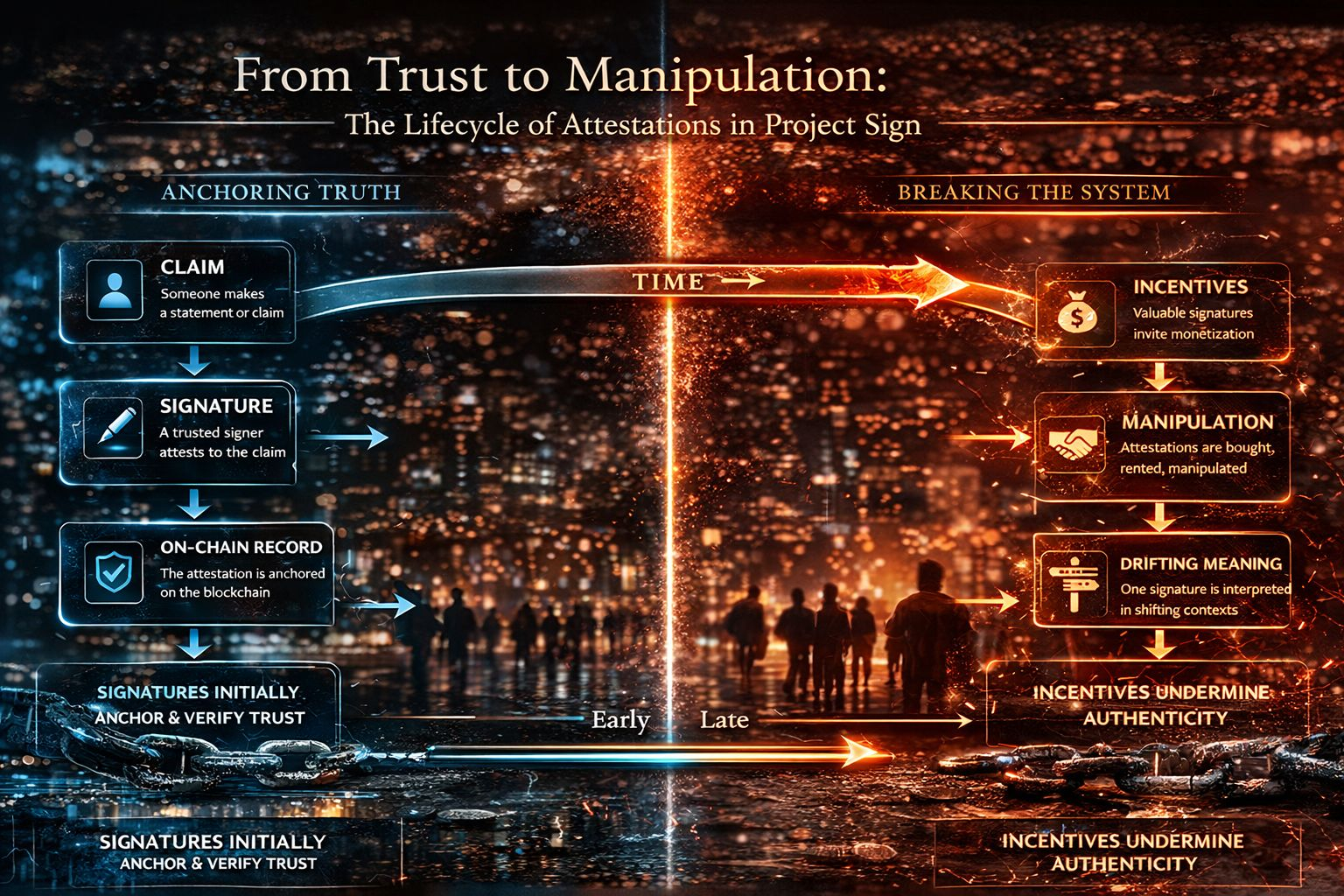
At its core, it’s simple in a way that feels intentional. Someone makes a claim, someone signs it, and that record exists somewhere that can’t easily be altered. That’s it. No grand promises wrapped around it, no immediate token-driven urgency trying to force meaning into existence. Just a structure that says: if something matters, you can anchor it here.
But I’ve spent enough time around crypto systems to know that nothing stays that clean once incentives arrive.
What interests me isn’t whether the mechanism works—it probably does, at least in the technical sense. What I keep thinking about is what happens when people start depending on it. Not casually, but in situations where there’s something real at stake. Because that’s when behavior shifts. Quietly at first, then all at once.
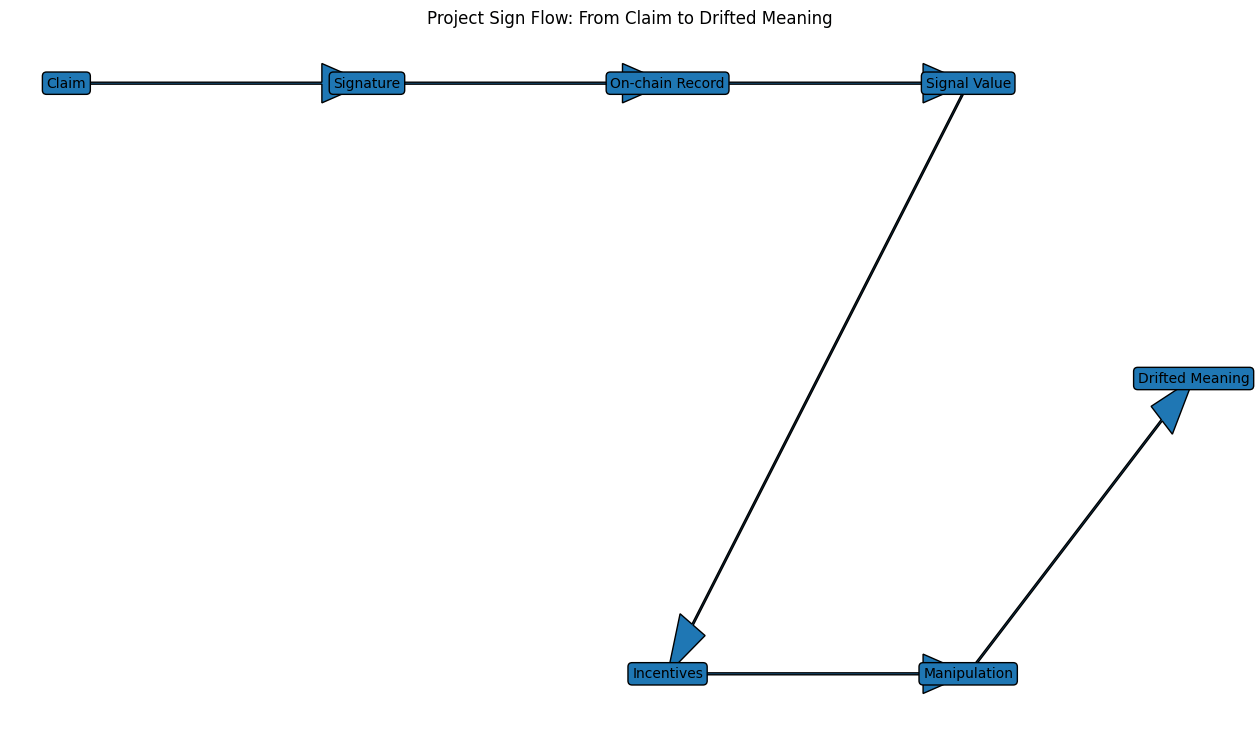
A signature stops being just a confirmation. It becomes a signal. And signals don’t stay neutral for long.
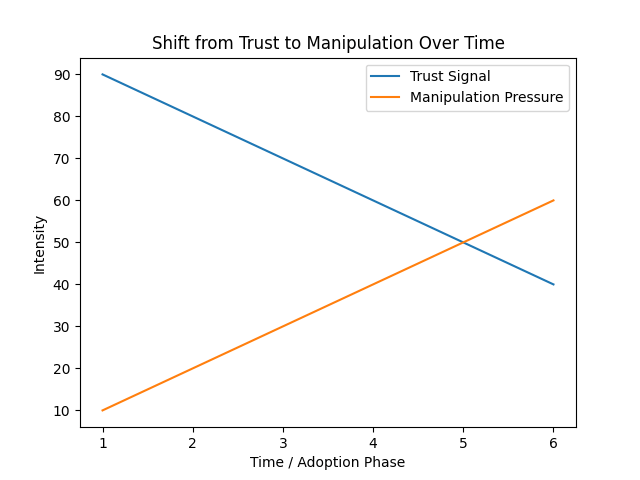
I’ve seen this pattern repeat in different forms. Early users treat systems like this almost carefully, like they’re participating in something that requires a bit of honesty. There’s a kind of implicit understanding that the value comes from not abusing it. But that understanding fades as soon as there’s something to gain from bending the edges.
And there’s always something to gain eventually.
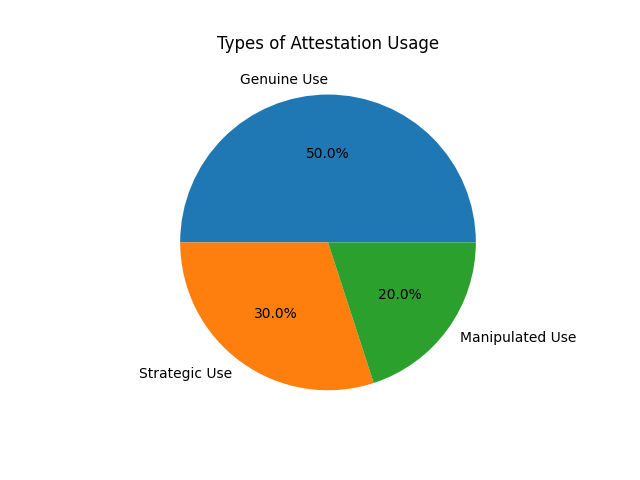
So I find myself wondering who ends up signing things here, and why. Not in theory, but in practice. Are they doing it because they believe in what they’re attesting to, or because the act of signing itself becomes useful? Those two motivations look the same on the surface, but they lead to very different outcomes over time.
The system doesn’t really distinguish between them. It just records.
That’s where it gets interesting, and maybe a little fragile. Because a system that records without judging has a kind of purity to it, but it also means it can’t push back. It reflects whatever flows into it, whether that’s genuine or opportunistic.
And people, given enough time, tend to explore whatever edges are available.
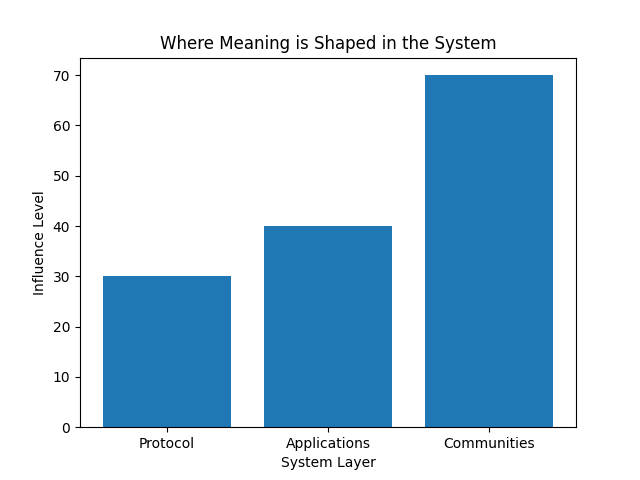
I keep thinking about how meaning forms around something like this. An attestation doesn’t carry inherent truth—it carries context, trust, reputation, all layered in from the outside. Strip those away, and it’s just data. So the real question becomes: where does that context come from, and who controls it?
It probably won’t come from the protocol itself. It’ll emerge from how others choose to interpret what’s recorded. Different applications, different communities, different incentives—all shaping what a signature “means” depending on where you’re looking from.
And that’s where things can start to drift.
Because once interpretation spreads out like that, consistency becomes harder to maintain. The same attestation might carry weight in one place and be ignored in another. Over time, you don’t just have a system of truth—you have a system of overlapping beliefs, all anchored to the same underlying records.
That doesn’t break the system, but it changes what it is.
I’ve also been paying attention to how quiet it still feels. There’s no rush here, no obvious attempt to force adoption before the foundation is tested. Part of me respects that. The other part wonders how long something like this can stay in the background before it either gets pulled into the spotlight or simply passed over.
Because attention matters, whether people like to admit it or not.
Infrastructure tends to get recognized only when something built on top of it succeeds—or fails. Until then, it lives in this in-between state where it’s potentially important but not yet necessary. And that’s a hard place to evaluate from the outside.
So I watch the small things instead. The kinds of attestations that show up when no one is being rewarded for making them. The early patterns of use that don’t have a clear incentive behind them yet. That’s usually where you see the most honest version of a system, before it adapts to expectations.
Those moments don’t last long.
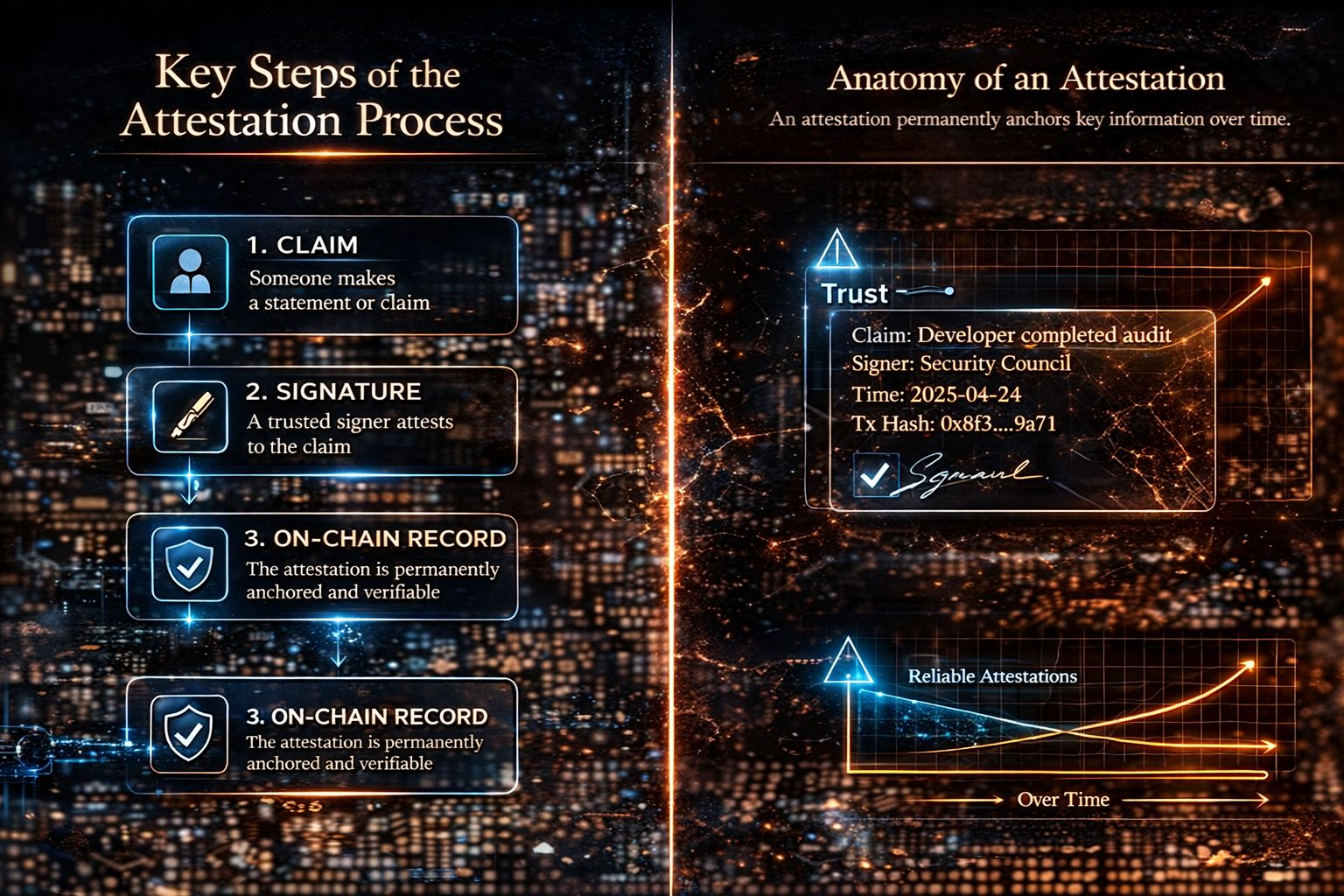
Eventually, something clicks. A use case gains traction, value starts to flow through it, and suddenly the system isn’t just being used—it’s being relied on. That’s when the pressure builds. Not visibly, not immediately, but enough to start shaping behavior in ways that weren’t obvious at the beginning.
I don’t know exactly when that happens for Sign, or what triggers it. Maybe it’s gradual, barely noticeable until it’s already underway. Maybe it comes all at once, driven by something external that forces people to pay attention.
Either way, that’s the point where things get real.
Because a system like this doesn’t fail in theory. It fails—or holds up—when it runs into the messy, inconsistent, very human ways people interact with it. When trust becomes something that can be traded, when reputation starts to carry weight, when being right matters less than being useful.
That’s the part I’m waiting to see.
For now, it still feels like a structure being observed more than used, understood more as an idea than as a lived system. And maybe that’s exactly where it needs to be. There’s a kind of clarity that exists before incentives fully arrive, before everything starts bending toward outcomes.
But that clarity never lasts.

So I keep coming back to it, not looking for answers, but for shifts. Small ones. The kind you only notice if you’ve been watching long enough. Because those shifts are usually the first sign that a system is moving from what it was designed to be into what it actually becomes.