
In a decentralized world, trust is the only currency that matters. While blockchain provides a immutable ledger, how do we know the data itself is authentic? Sign Protocol ($SIGN) is not just another blockchain; it is the verifiable infrastructure that Web3 desperately needs. It moves us from 'Don't be Evil' to 'Can't be Evil' by adding a standard attestation layer for any off-chain or on-chain data.
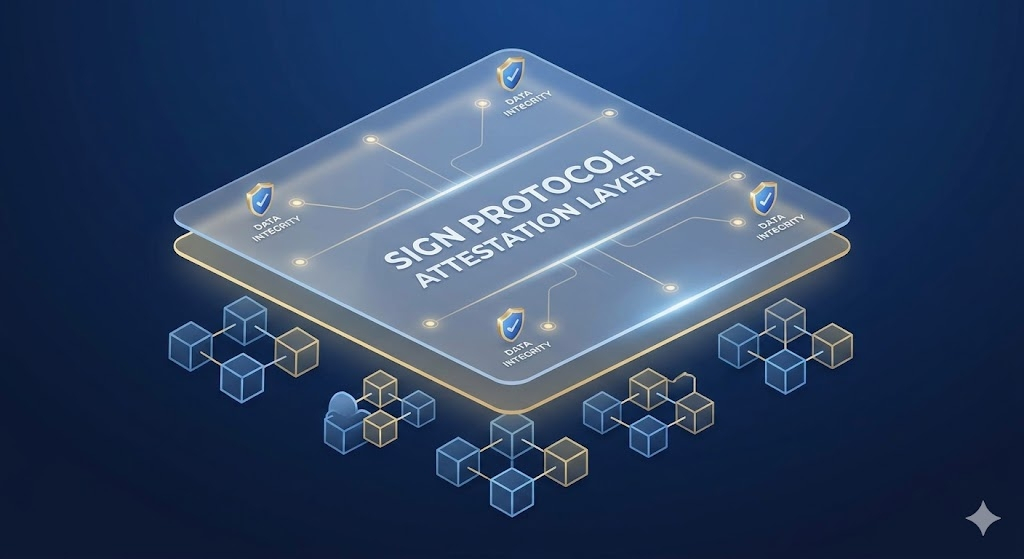
The 3 Layers of Trust)
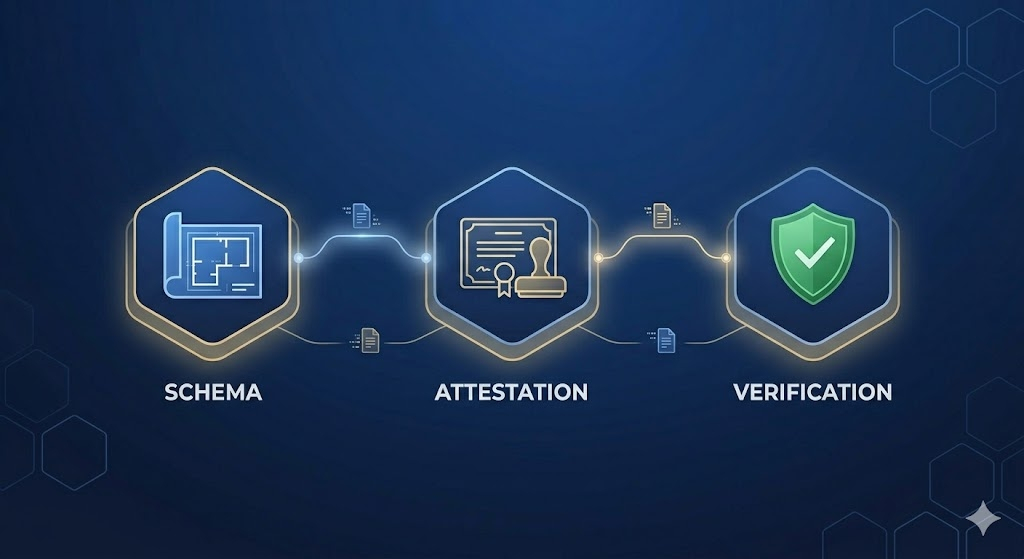
To understand Sign Protocol, you must understand the 3 Core Pillars of its architecture: Schema Management, Attestation Creation, and Verification.
Schema Management:
Defines what data is being attested (e.g., an identity).
Verification:
instantly check if an attestation is authentic on-chain.
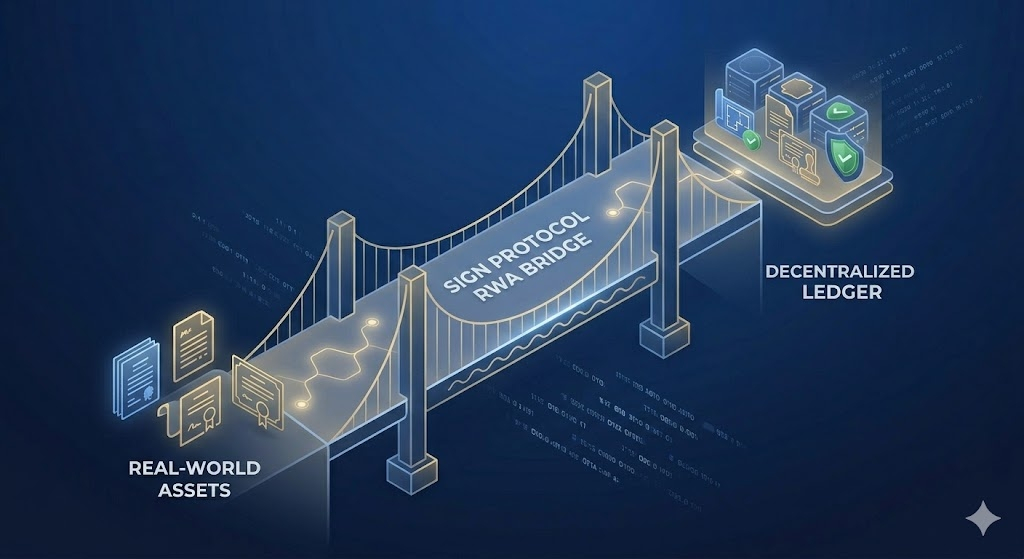
Compliance & Real-World Asset (RWA) Integration)
Compliance and scalability are the biggest hurdles for institutions entering Web3. Sign Protocol’s framework is built for Sovereign Integration and Compliant Mass Token Distributions. Imagine a world where legal documents, property deeds, and financial licenses are all verifiable attestations, eliminating fraud and speeding up transactions from days to seconds. This is where blockchain meets real-world utility.
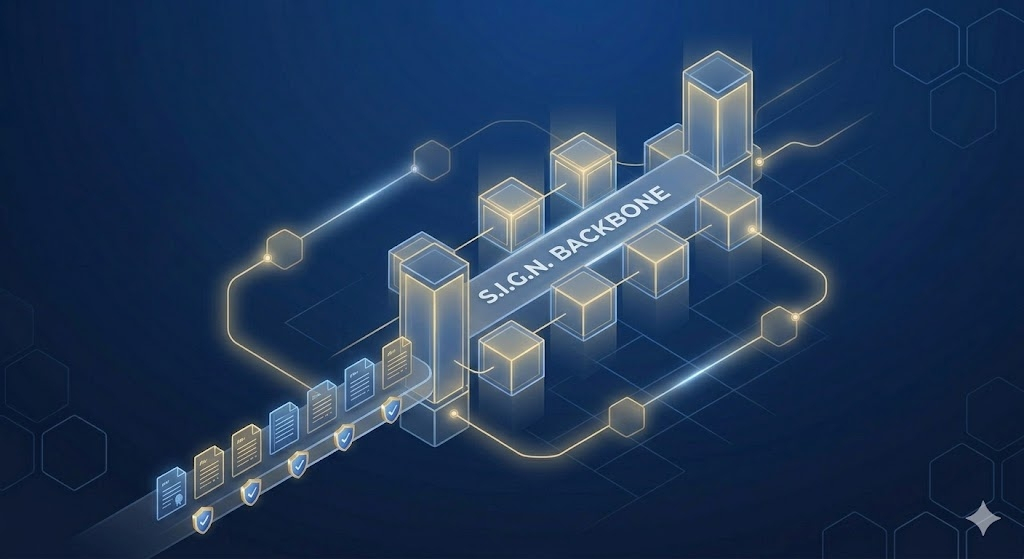
The Power of the S.I.G.N. Framework)
Think of the S.I.G.N. framework not just as a protocol, but as a "Digital Lifeboat" for data. In an era where geopolitical friction and online fraud are rampant, governments and organizations need fail-safe, verifiable rails for identity and capital flows. $SIGN acts as the Programmable Backbone powering these critical systems, ensuring data integrity is never compromised.
📑 PRO-TIP:
This technical breakdown is a must-have for every Web3 researcher. SAVE this post so you can refer back to these core layers anytime!
@SignOfficial $SIGN #BinanceSquare #Sign #CryptoInsights #SignDigitalSovereignInfra #RWA