
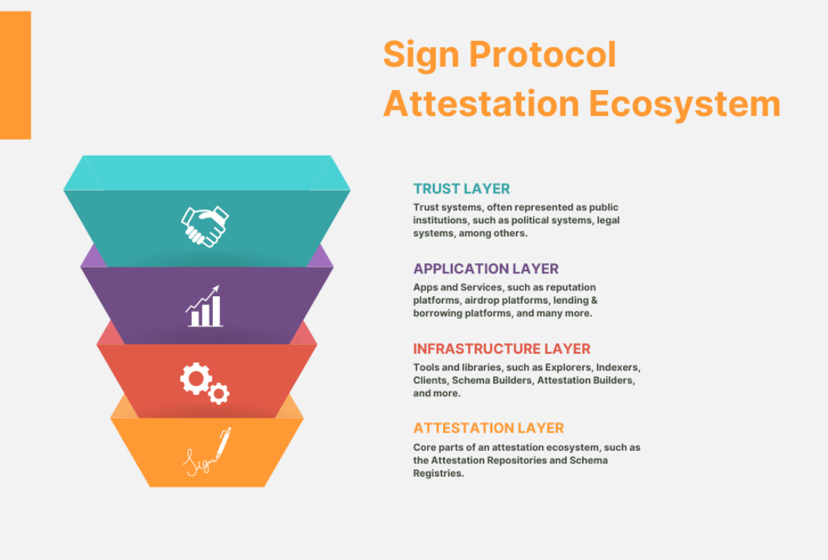
I’ve been digging into this and honestly, once you cut through all the noise, it’s pretty straightforward. Sign Protocol handles the delegated attestations for the Lit nodes. That’s it. The nodes offload that one piece and Sign Protocol signs on their behalf.
From a trader’s perspective, I’m a big fan of anything that cuts friction. Less moving parts usually means fewer things blowing up right when you need them most. I’ll admit I was confused by it at first, but this kind of clean delegation feels smart, practical, and actually useful in the real world.
I never trust anything blindly. I keep an eye on what’s happening on-chain, read the audits properly, and watch closely how it holds up when things actually go wrong not when everything’s running smooth. That’s the real test.
My personal opinion? This is actually one of the more useful innovations I’ve seen in this space lately. It’s not just fancy tech talk it solves a genuine problem in a simple, elegant way. I’m cautiously bullish on it because it makes the whole system feel more reliable without adding extra complexity.
But bottom line: don’t just hear “delegated attestation” and jump in. Take the time to understand who’s really signing, who’s trusting it, and exactly where it could fail before you put any real money behind it. As an investor, my capital comes first, so I keep learning and stay sharp on this stuff.
@SignOfficial #SignDigitalSovereignInfra $SIGN
