
In the past few days, I have been intensively tracking the news about the situation in the Middle East, and the more I look, the more I feel that the underlying logic we have discussed in the industry over the past few years is undergoing a drastic change.
In the past, everyone doing investment research was filled with thoughts of liquidity overflow, public chain narratives, or the frenzied pull of meme coins, treating decentralization as a utopian slogan for speculation. But now, if you shift your perspective to regions that have been in turmoil for years and may face sanctions or border blockades at any moment, you will find that the default trust contracts in the real world are collapsing on a large scale.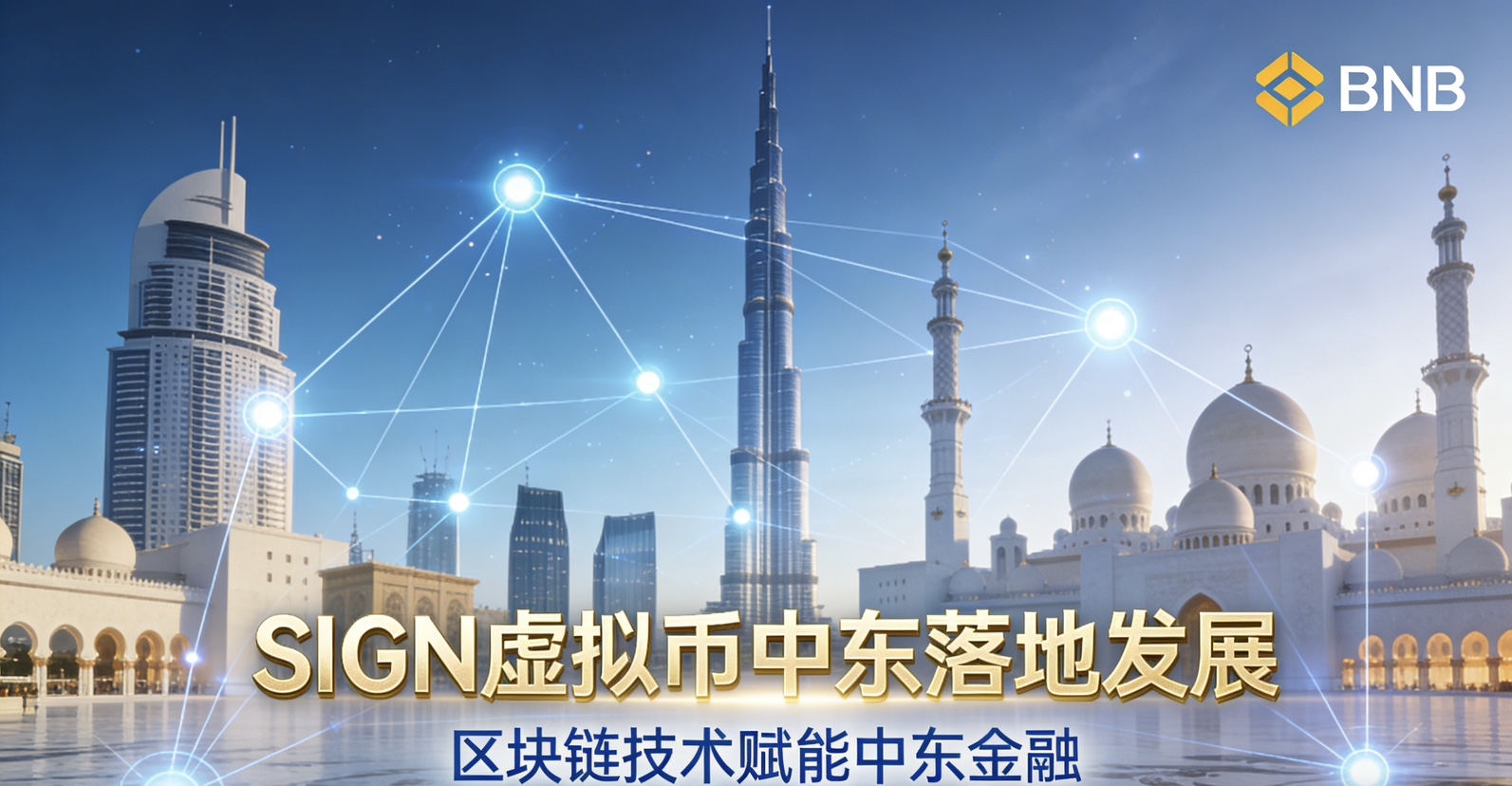
Your passport may not be recognized at any time, and multinational companies' commercial contracts are always at risk of default. Against this backdrop, the trust costs across regions are skyrocketing at an exponential rate.
I actually suffered losses on this @SignOfficial asset before; I thought the infrastructure for underlying verification was too slow, and when I couldn't hold on, I directly cut my losses and changed positions. This is extremely typical short-sighted thinking. But combining the current geopolitical crisis to re-examine the recently updated dynamic proof architecture from Sign, I suddenly realized that this thing is precisely stuck in a very hardcore essential demand.
Previously, the on-chain credentials we understood were all static; once sent and packaged on-chain, they could never be altered. However, this is actually a huge disaster in the real world. If your company's core executives defect or an individual's visa is urgently revoked due to geopolitical friction, if the system still shows permanent validity when customs scans it, then this system is completely useless.
This technical update from Sign has transformed rigid static credentials into a dynamic interactive layer that can be controlled in real-time. The issuing sovereign state or multinational enterprise can directly revoke or change the validity status of a certain credential on-chain at any time based on sudden circumstances in the physical world. #Sign地缘政治基建
Moreover, due to the underlying zero-knowledge proof technology, the scanning verification party can only obtain whether it is currently valid, and cannot access sensitive privacy such as processing time and location. This completely neutral and independent data trust layer, which does not rely on a single strong authority for endorsement and can seamlessly synchronize with real-world states, is a solid risk-averse infrastructure in turbulent situations. The data shows that Abu Dhabi's sovereign institutions have already entered the fray, and Sierra Leone is also moving its national digital identity online.
With these sovereign-level clients frequently calling the interface to update their status, the underlying burning consumption must be $SIGN tokens.
When digital identity transforms from a toy in the hands of geeks into a tool for multinational survival, this network that provides bottom-line trust absolutely cannot be viewed with a short-term speculative mindset; its long-term growth potential is just beginning to unfold.