
I’ve been reading Sign’s latest article on the “Three Families” of identity systems and it really made me pause. Most countries don’t start identity from zero. They already have messy patchworks like civil registries, national ID cards, bank KYC files, benefits systems with all doing their own thing. Digital identity isn’t about replacing everything. It’s about connecting them without creating new problems.
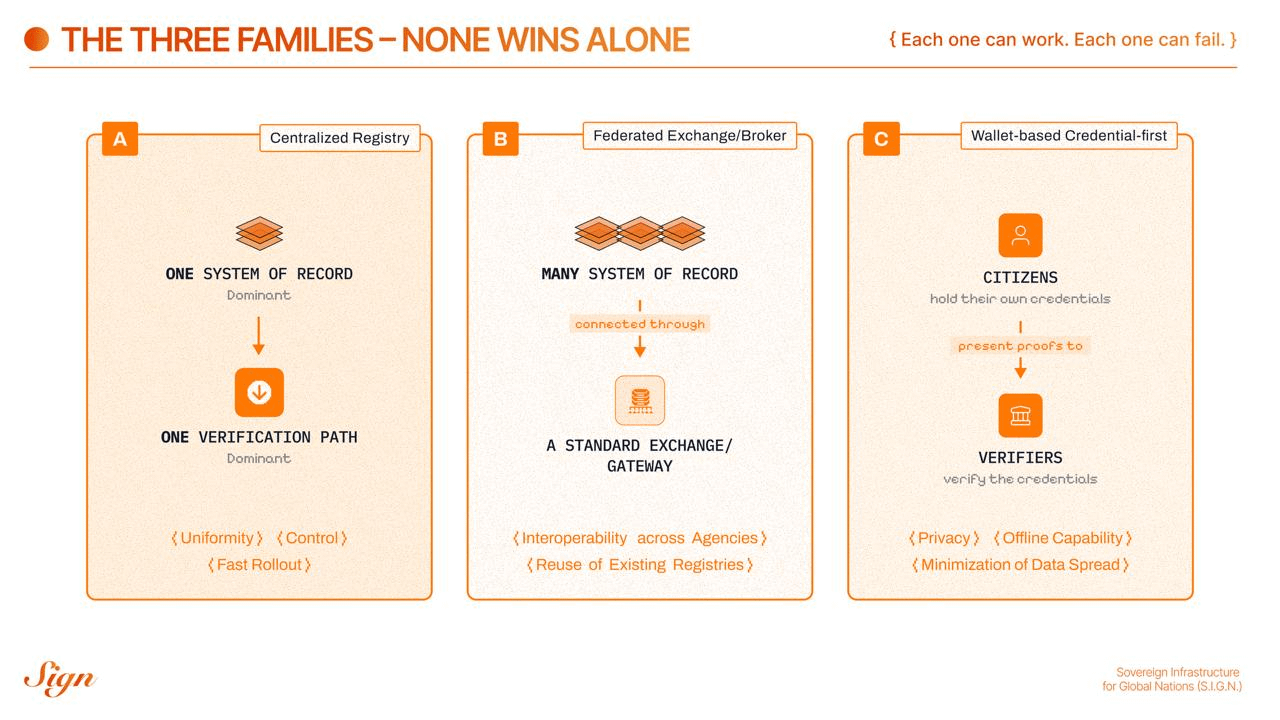
Sign breaks it down into three realistic models:
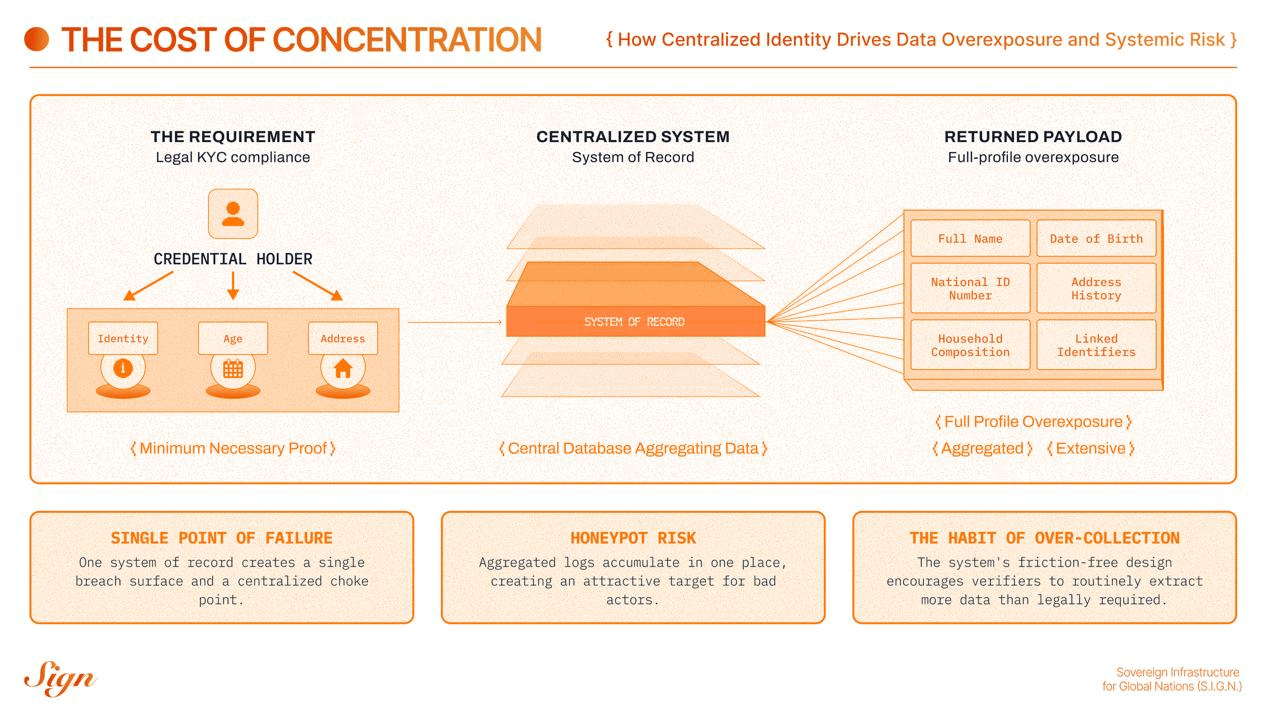
⭐Centralized Registry: Fast rollout, strong control, but turns into a single point of failure and honeypot.
⭐Federated Exchange: Respects existing agencies, improves interoperability, but can quietly become a new bottleneck with centralized visibility.
⭐Wallet-based Credential first: Gives citizens real control and minimal disclosure, but requires strong governance to avoid chaos.
What I like most is that Sign doesn’t force countries to pick one. It builds the bridge between all three. A verifiable credential layer lets governments keep what already works while adding portability, consent, and auditability. The citizen holds the proof in their wallet. The verifier only gets what they need. The state still sets the rules on who can issue and who can ask.

This is where Binance plays a quiet but important role. Sign has built its Sovereign Layer 2 Stack directly on BNB Chain and opBNB. That means national stablecoins, digital ID pilots, and sovereign infrastructure can leverage BNB Chain’s speed, low fees, and massive liquidity while remaining under national control. Binance isn’t just listing SIGN, it’s becoming the settlement and liquidity layer that makes these real-world sovereign systems actually usable at scale.
For new users, here’s what I think you should focus on:
The real power of Sign isn’t in flashy privacy slogans. It’s in solving the boring but critical problems: issuer governance, verifier tiers, schema control, revocation that works offline, and audit trails that don’t turn into surveillance. When a landlord scans your income credential or a bank verifies residency, they get confidence without storing your full data. That shift from “copy everything” to “prove only what’s needed” is massive for both citizens and institutions.
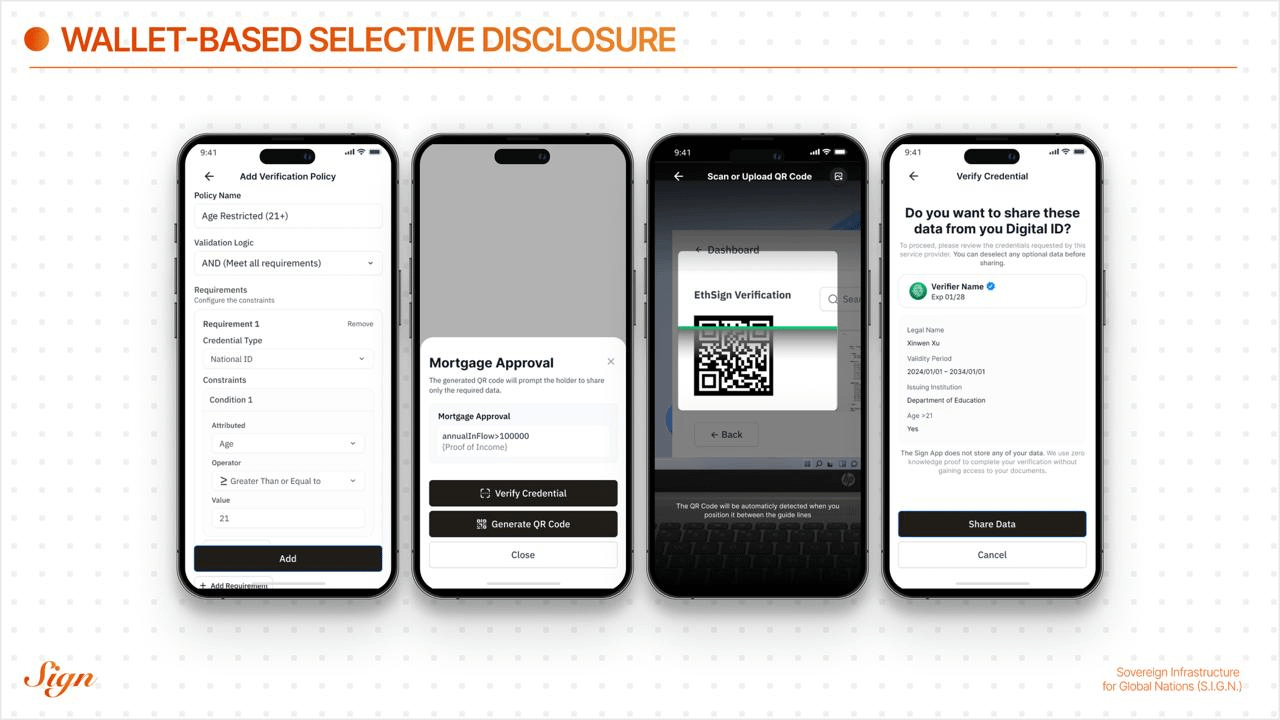
I’ve tested some of these flows on testnet. The feeling is different. You present a QR code, the verifier checks authenticity and status, and that’s it. No unnecessary data duplication. No endless photocopies in email threads. It feels like infrastructure that actually respects the user while still giving governments the accountability they need.
The hybrid approach Sign describes feels inevitable. Countries will need centralized capabilities for governance, federated capabilities for real inter-agency work, and wallet capabilities for citizen control and offline use. Sign is building the trust fabric that lets all three coexist without forcing a single model.
Binance listing SIGN brings this vision closer to everyday traders. It provides liquidity and visibility while the underlying tech is being built for national-scale use cases. That combination — real utility + exchange access — is rare.
I’m watching this project because it’s not trying to win the retail hype game. It’s trying to win the infrastructure game that actually shapes how digital trust works in the real world. In a world where identity is governance, the architecture you choose today decides power distribution for decades.
What part of Sign’s hybrid model do you find most compelling — the citizen control side or the sovereign governance side?