
The “BTCETFFeeRace” theme lighting up Binance Square is more than just a numbers game—it’s a quiet revolution in how ordinary investors get exposed to Bitcoin. As major asset managers battle for market share inside the roughly $80+ billion U.S. spot‑BTC ETF universe, the battlefield has shifted from “first mover” bragging rights to pennies on the dollar: the race is on to offer the lowest management fee.
At its core, the BTC ETF fee race captures how BlackRock, Fidelity, Grayscale, and now Morgan Stanley are slashing annual expense ratios to attract flows from wealth managers, pension funds, and retail investors alike. Current leaders hover around 0.15–0.25% per year, with Morgan Stanley’s proposed MSBT at 0.14% positioning it as the cheapest spot‑BTC ETF on record if approved. When even a 1–2 basis‑point advantage can swing billions in assets, every decimal point becomes a marketing war.
Historically, high‑cost futures‑based crypto ETFs sat around ~0.9% in fees, making them expensive gateways into Bitcoin. Spot‑BTC ETFs already undercut that by an order of magnitude, and now the fee race is pushing management expenses close to “industrial‑scale” levels—comparable to major equity ETFs. This makes ETFs more attractive as core portfolio allocations rather than speculative side bets, accelerating institutional adoption and reducing the relative appeal of direct self‑custody for many mainstream investors.
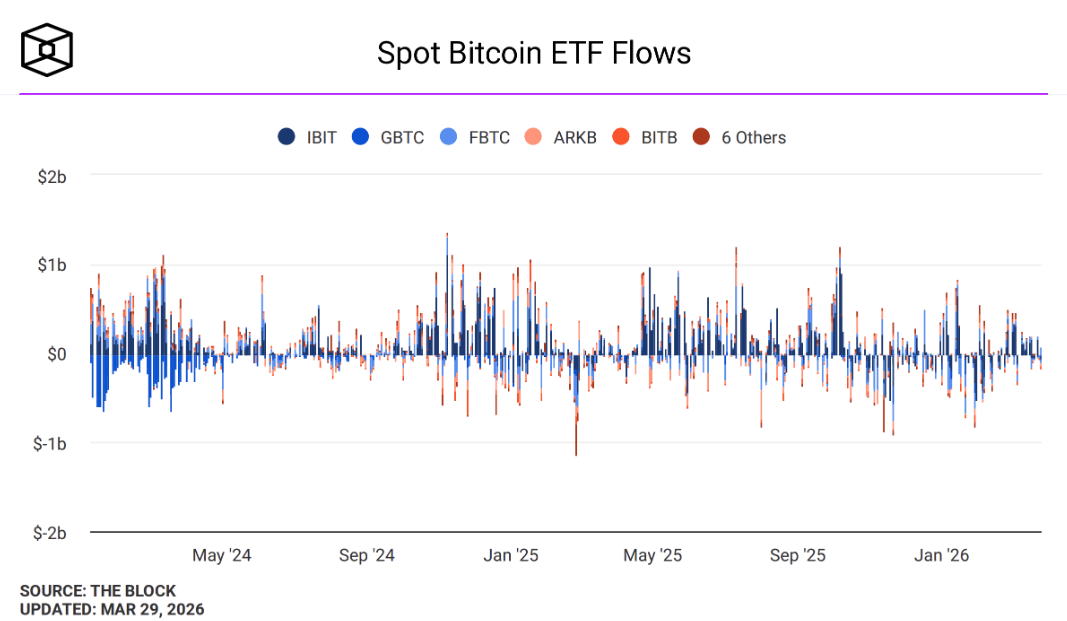
Inside the BTCETFFeeRace thread, traders are dissecting which ETF becomes the default “index” for Bitcoin exposure under Robo‑advisors and 401(k) platforms. Some argue that lower fees eventually translate into tighter spreads, lower tracking error, and better liquidity, which in turn could dampen volatility and support a steadier long‑term BTC price narrative. Others cheekily remind the community that while the fee race rages, the “original” free ETF—Bitcoin itself—still runs on a chain that charges nothing for custody, only for transaction bandwidth. For now, one thing is clear: in the era of the BTC ETF fee race, the king of digital assets is quietly being dressed up as a low‑cost, institutional‑grade asset—and the markets are watching every basis point.