
Pepe the Frog" is one of the most complex and controversial figures in internet meme history. Its evolution provides a stark case study in how internet culture, political movements, and decentralized media can co-opt a simple symbol and radically transform its meaning.
The Origin: A Laid-Back Stoner Frog
Pepe was created in 2005 by artist Matt Furie for his comic series Boy's Club. In his original form, Pepe was a chill, anthropomorphic frog, often seen hanging out with his roommates, eating pizza, and making jokes. The meme's defining phrase, which became its early identifier, was "feels good man," which Pepe would say after a specific bathroom habit. Furie’s intention was completely apolitical; the character was simply a vehicle for humorous, laid-back observations on young, slack-jawed adulthood.
The Proliferation: Mainstream Internet Culture
Starting around 2008, images of Pepe began to propagate on imageboards like 4chan. From there, he spread to larger, mainstream platforms like Tumblr, Reddit, and eventually Instagram and Facebook. During this time, the meme splintered into numerous, generally benign, sub-types:
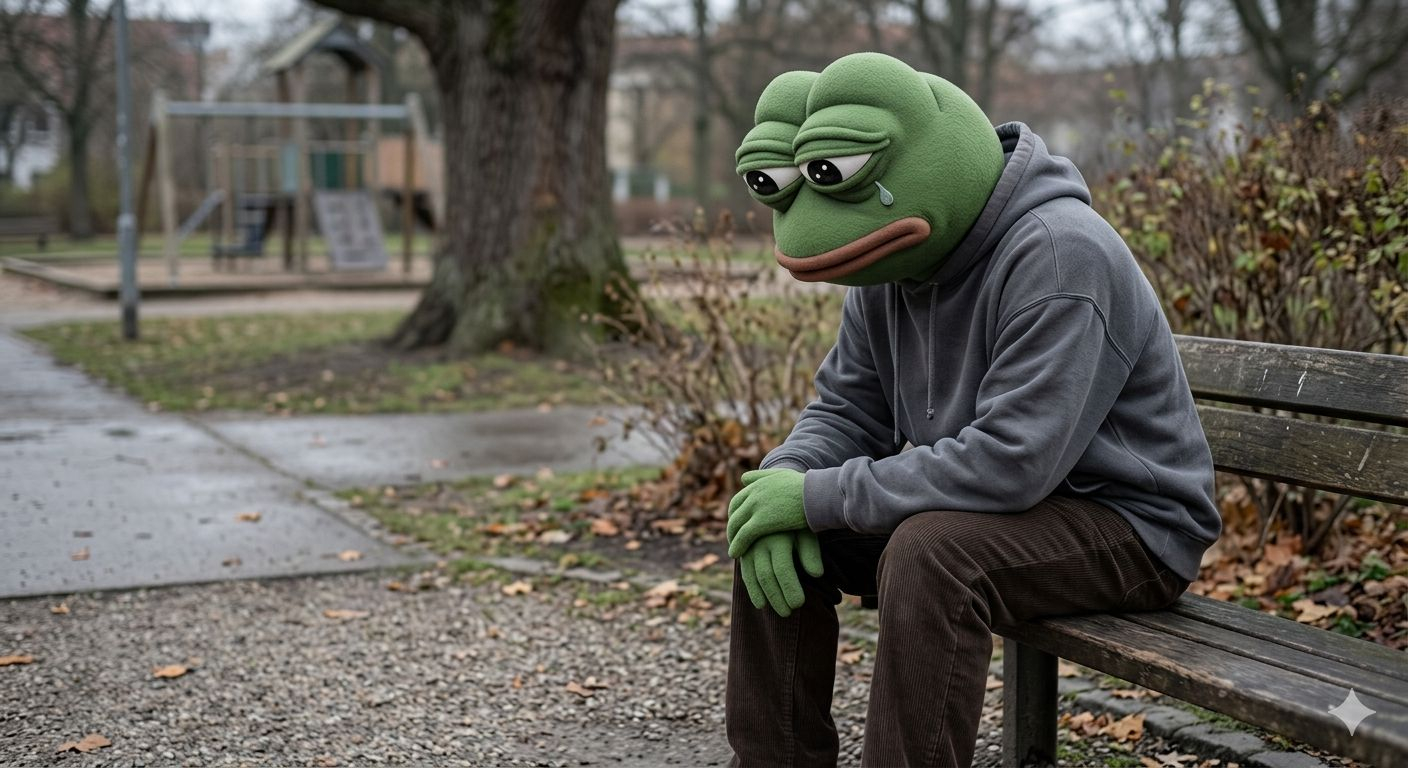
"Feels Bad Man" Pepe: An unhappy version, often used to express disappointment or empathy.
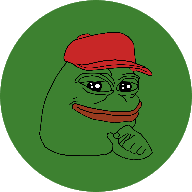
"Smug Pepe" (or "Smug Frog"): A grinning Pepe, often used to signal intellectual superiority or a victorious argument.
"Rare Pepes": A concept where users created highly customized, unique versions of Pepe and 'traded' them, a parody of trading card culture that predated the NFT boom.
During this phase, Pepe was so mainstream that even celebrities and corporate accounts would share variations, with his meaning largely context-dependent and harmless.
The Co-option: Political and Ideological Shift
The definitive turning point occurred leading up to the 2016 U.S. Presidential Election. Pepe began to be heavily utilized by the "alt-right" movement. Users on anonymous imageboards systematically associated Pepe with imagery of white nationalism, neo-Nazism, anti-Semitism, and other extremist ideologies.
By linking a popular, recognizable character to hateful messages, the movement found a way to sanitize extreme rhetoric, present it in a "ironic" or "humorous" package, and exploit mainstream confusion to gain media coverage.
Designation as a Hate Symbol and the Backstory Struggle
The backlash was significant. In September 2016, the Anti-Defamation League (ADL) added Pepe the Frog to its database of hate symbols. The ADL’s classification noted that while the original character was not offensive, and many memes continued to be used for non-bigoted purposes, the sheer volume of racist and bigoted imagery created around Pepe necessitated the listing.
This designation created a fractured reality for the meme:
To internet subcultures and the alt-right, he was a symbol of their movement and power to control media narratives.
To mainstream media and the general public, he became synonymous with white supremacy.
To his creator, Matt Furie, he was a lost creation being used to promote hatred.
Furie publicly opposed the hateful co-option. He launched a "#SavePepe" campaign to try and reclaim the character through positive imagery, but it was largely unsuccessful against the tidal wave of existing political memes. In a symbolic gesture of defeat, Furie officially "killed off" Pepe in a Boy's Club strip in 2017, although this did not stop the character’s independent internet life. Furie also successfully pursued intellectual property lawsuits against individuals using Pepe's likeness for hateful or commercial extremist purposes.
Pepe Today: Fractured and Enduring
Today, Pepe the Frog exists in a permanent gray area. His meaning has never been singular:
Hate Symbol: For many, the association with white supremacy and anti-Semitism remains definitive and disqualifying.
Irony and "Trolling": Some use him not because they hold extremist views, but because he is controversial, using him to shock, cause outrage, or "troll" others.
Twitch/Gaming Culture: A notable exception to the political narrative exists in gaming streams (like on Twitch). Emotes like "Pepega" (a distorted, simple-minded Pepe) and "MonkaS" (a sweating, nervous Pepe) are incredibly popular, used purely to convey specific emotions related to gameplay. In these contexts, Pepe’s meaning remains fluid and often separate from the political controversy, showcasing how subcultures can preserve alternate meanings of the same image.
Hong Kong Protests: In 2019, Pepe unexpectedly emerged as a pro-democracy symbol in Hong Kong. Protesters adopted him, creating imagery that removed him from the alt-right context and repurposed him for a totally different ideological struggle, further complicating his visual history.
Summary
Pepe the Frog is not just an image; he is a cautionary tale about the instability of meaning in the digital age. He began as an innocent comic character, was popularized as a generic internet emotion, and was subsequentlyweaponized by political extremists. His story highlights the difficulty of controlling decentralized symbols, the power of memes to influence real-world political discourse, and the complex challenge of managing digital harm without suppressing all forms of free or ironic expression.
#