
I’ve noticed something that doesn’t get talked about much.
You can spend months in Web3 — using apps, interacting, building history.
And still, the moment you enter a new platform, it feels like none of it really belongs to you.
Not because it’s gone…
but because it’s not recognized.
The shift you don’t notice
At first, you assume your activity should carry weight.
You’ve been active. You’ve done the work. You’ve shown up.
But slowly, you realize something.
Your history only matters where the system decides it matters.
The real problem
Identity in Web3 doesn’t just depend on what you did.
It depends on how each system chooses to interpret it.
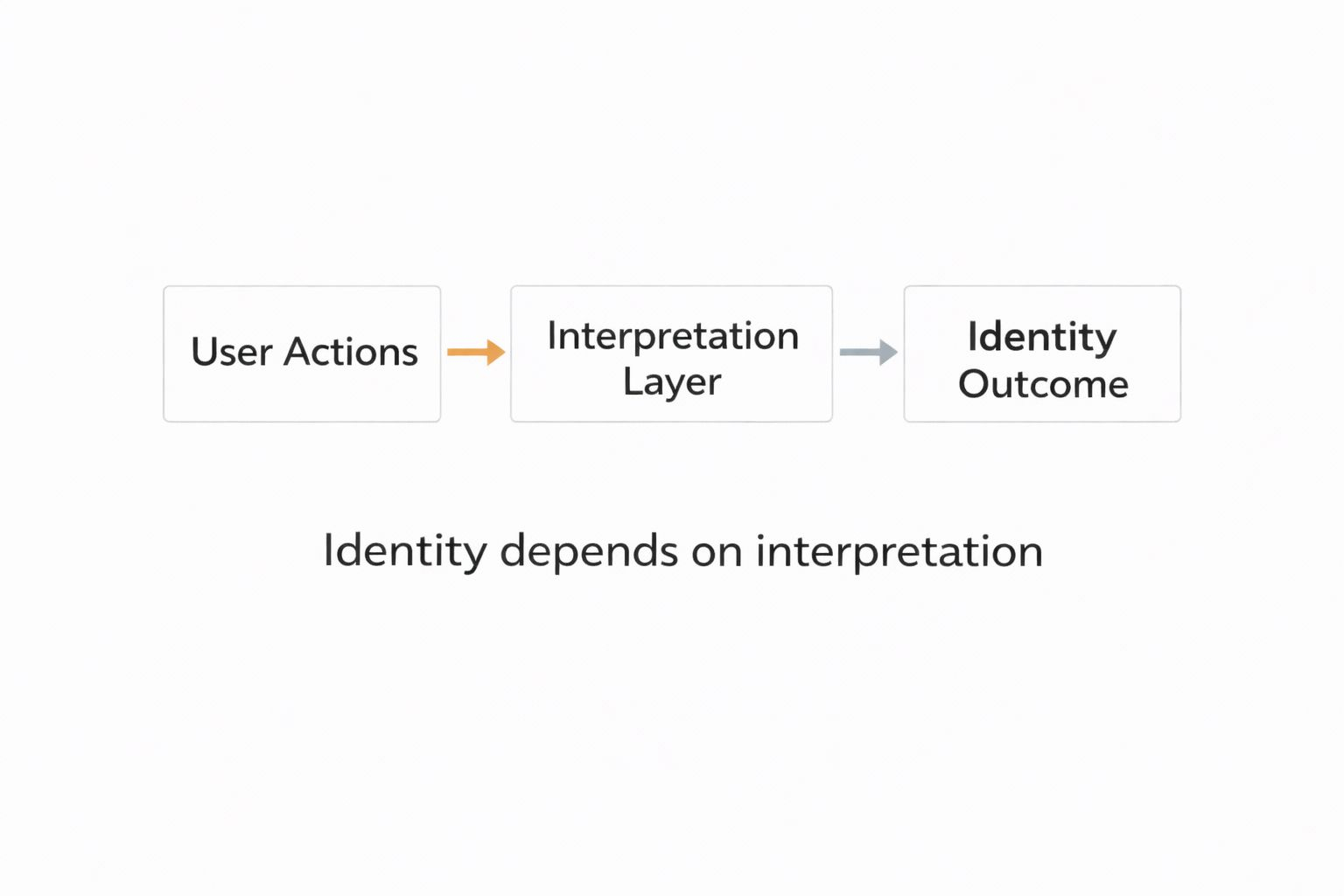
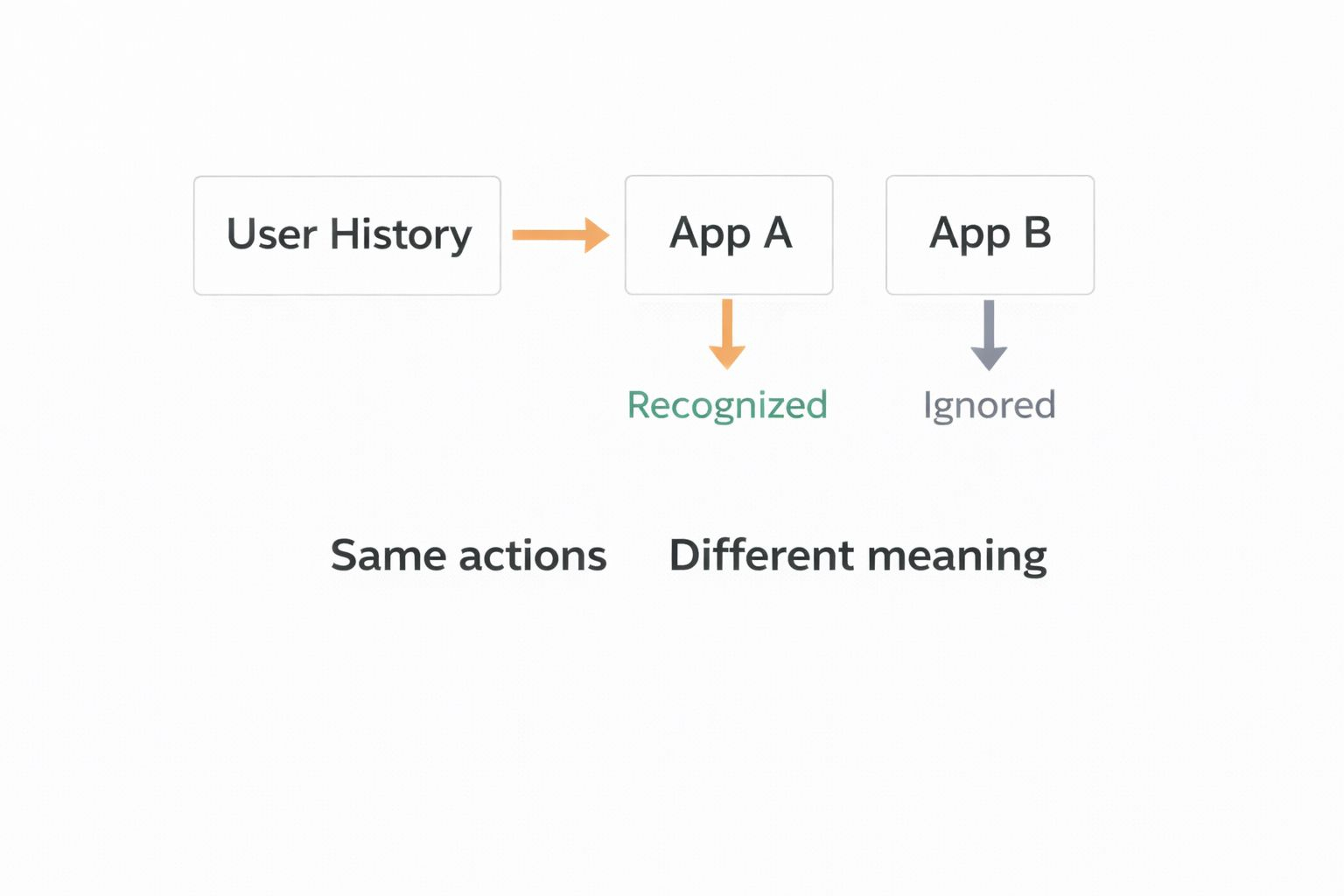
So the same actions can mean different things in different places.
In one app, you qualify
In another, you don’t
Same history. Different outcome.
This is where things start to break:
Why this creates a gap
You think you’re building something consistent.
But in reality, you’re moving across systems that each define value differently.
So your identity isn’t fully yours.
It’s partially shaped by every system you interact with.
Where this gets tested
This is where systems like @SignOfficial get pushed.
Because the challenge isn’t just storing what happened.
It’s making sure that what happened keeps the same meaning across different environments.
The uncomfortable part
You don’t lose your history.
But you lose control over what it means.
And over time, that changes how you behave.
You stop focusing on what you want to do…
and start focusing on what will be recognized.
The question that matters
It’s easy to think identity is something you own.
The harder question is:
How much of it is actually defined somewhere else?
Closing thought
If your history only matters where systems agree it matters,
then identity isn’t just something you build.
It’s something that gets interpreted.
$SIGN #SignDigitalSovereignInfra
