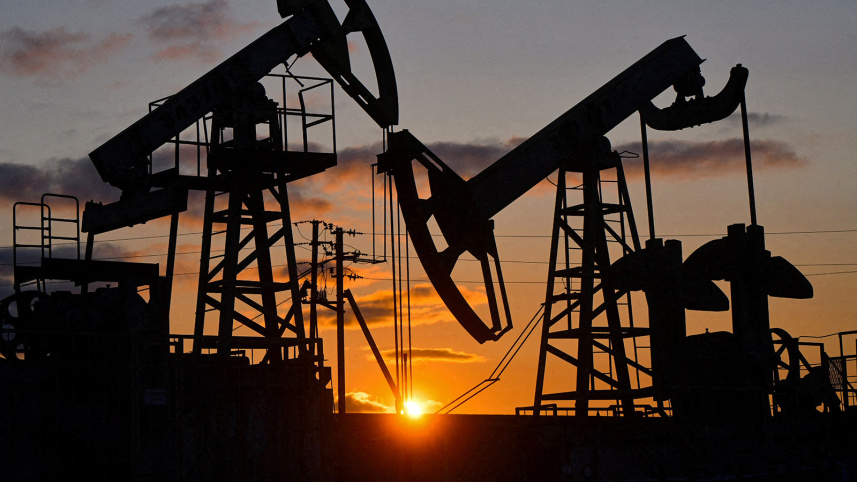
The clock is ticking toward April 1, and for the global energy market, the joke is anything but funny. In a move that has sent shockwaves from Moscow to the Middle East, Russia has officially announced a total ban on gasoline exports. This isn't just another policy update; it’s a high-stakes survival strategy in a world that feels increasingly volatile.
Imagine standing at a gas station, watching the numbers climb higher with every click of the pump. That’s the reality Russian Deputy Prime Minister Alexander Novak is trying to prevent for his own people. By slamming the brakes on exports until at least July 31, the Russian government is effectively building a fortress around its domestic fuel supply. They’ve seen the chaos of the past year—the long lines, the empty tanks in rural regions, and the haunting uncertainty caused by refinery disruptions. They aren't willing to let history repeat itself.
But there is a deeper, more emotional layer to this story. As conflict simmers in the Middle East, the global oil market has become a rollercoaster of "what ifs." Every headline about a closed shipping lane or a new escalation sends prices into a fever dream. Russia knows the world is hungry for its energy, but they are choosing to put their own citizens first. Last year, nearly 5 million metric tons of gasoline flowed out of Russian borders—roughly 117,000 barrels every single day. Starting this April, that flow simply vanishes.
For the rest of the world, this silence from the Russian pumps creates a chilling suspense. Where will that missing fuel come from? How high will the prices climb when one of the world's energy giants pulls its chair away from the table? As the deadline nears, the air is thick with anticipation. It’s a bold, protective move that reminds us all of a simple, harsh truth: in a world of global crisis, looking out for your own becomes the only priority that matters.
#OilPricesDrop #BitcoinPrices #USNoKingsProtests #BitcoinPrices #US5DayHalt $XRP $GIGGLE $BNB