
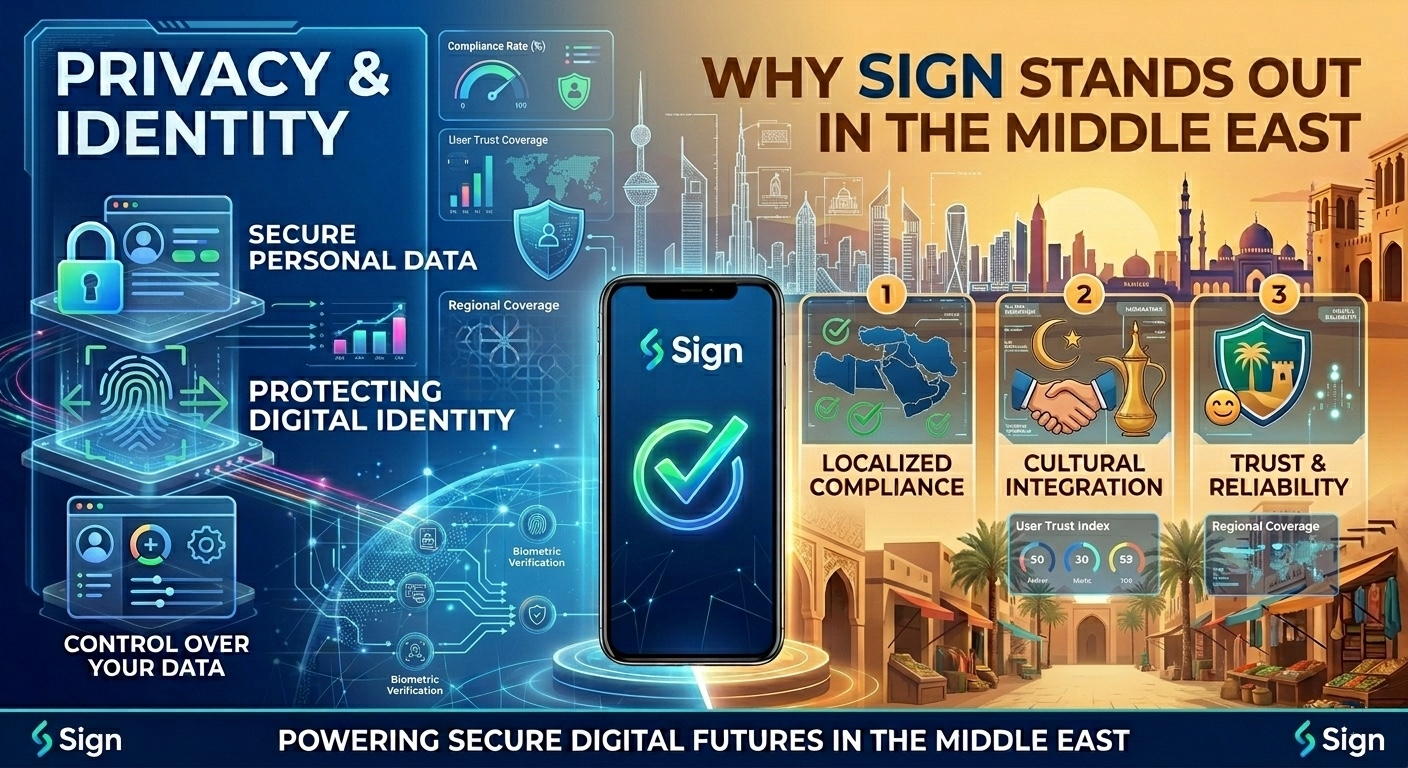
The first time I saw SIGN in action, I felt a mix of relief and excitement. Finally, something that treats identity not as a one-time hurdle but as a reusable primitive. Not the old clunky KYC approach where every app wants your full dossier again, but selective disclosure. Prove only what needs to be proven, show less, and move on. For me, that is how digital trust should work, without exhausting users or sacrificing privacy.
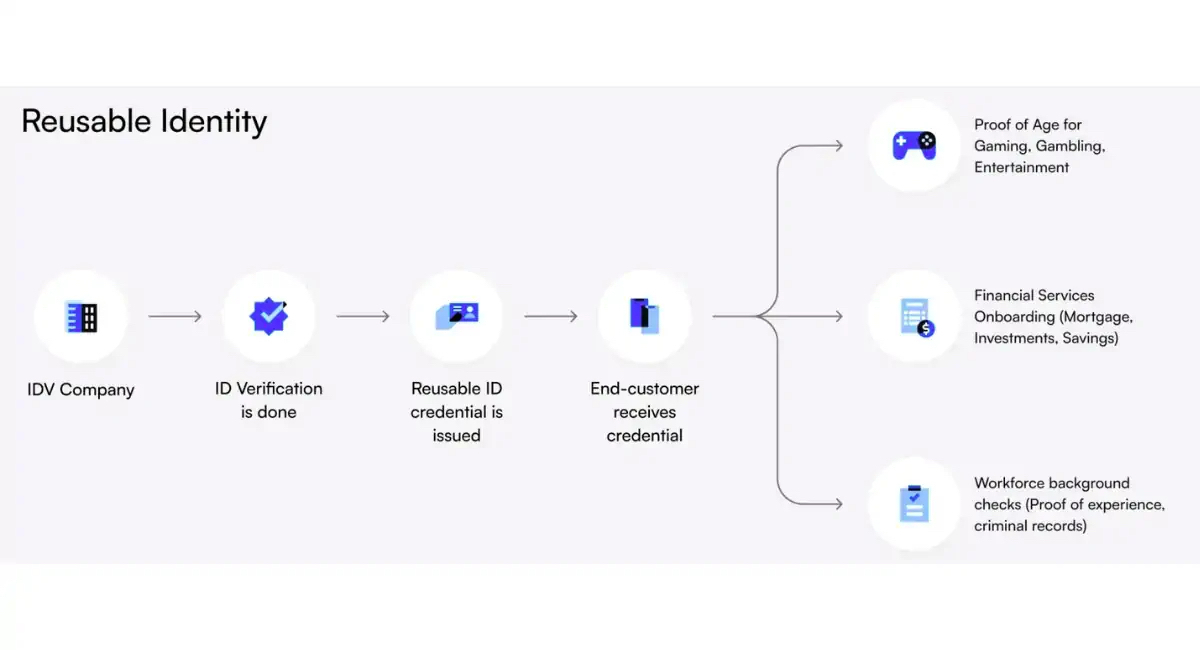
What impressed me the most is the operational layer: verifiable credentials as reusable proof. SIGN is built for scale. Sign Protocol serves as an evidence layer, and the identity documents are explicitly designed around W3C Verifiable Credentials 2.0, DIDs, SD-JWT VC, OIDC4VCI, OIDC4VP, revocation lists, and even offline methods like QR and NFC. This is not just a wallet badge in crypto. It is solving repeated trust checks efficiently, without making users frustrated.
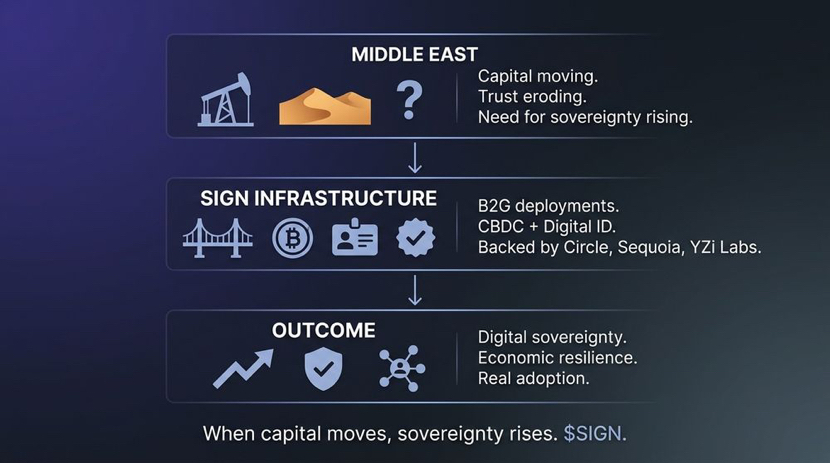
In the context of the Middle East, this becomes even more significant. Governments and institutions in the region are looking for secure, sovereign, and sustainable digital infrastructure. SIGN is not just a crypto wallet. It is building a platform where countries and enterprises can control their own digital identity ecosystem. That is rare. Most competitors still rely on one-time KYC or centralized verification, while SIGN is creating a reusable, privacy-first layer that actually sticks.
I have seen too many users drop off after the first interaction. Upload this, re-enter that, wait for approval, start over on another platform. Frustrating. Retention breaks when every action feels like paying the same trust tax again. With reusable verifiable credentials, proofs are portable, eligibility moves forward, and raw data is not exposed every time. Think API keys for trust. Authenticate once and keep moving.
For traders, this is huge. Everyone talks about acquisition, almost nobody talks about retention after airdrops, first mints, or first logins. If Sign can make eligibility low friction and portable, the experience changes from farm and leave to real participation. TokenTable, for example, ties structured allocation logic directly to verification. Compare that to other projects: high claim numbers but messy UX leads to abandoned users. SIGN flips that.
I am not naive. The market still prices SIGN more like a narrative token than a clear cash flow engine. Circulating supply around 1.6 to 1.64 billion, max supply 10 billion. Volatility reminds us this is early stage infrastructure. Investors are not buying a settled identity utility story. They are betting on whether trust infrastructure actually becomes sticky.
I also keep a critical eye. Identity systems always sound better from the issuer side. Reusable credentials are valuable only if users trust the issuer, understand what they share, and have smooth revocation and recovery. If not, cleaner rails but the same friction remains. Privacy claims need to be tested in the real world, not just in architecture documents.
I keep coming back to retention. In crypto, this is the truth serum. It filters inflated user counts and shows whether a product really earns a place in someone’s routine. If SIGN turns identity from repeated obstacles into a reusable primitive, the value goes far beyond compliance. Onboarding, cross-platform movement, gated access, claims, capital distribution, and even community filtering all improve without fully doxxing participants. Less churn, fewer abandoned steps, and better conversion from curiosity to long-term engagement.
What could change my mind? If credential reuse stays mostly theoretical, if real applications keep defaulting to fresh data, or if token hype outpaces actual verifier adoption, I would get cold fast. I am also watching whether SIGN remains too top-down. Government and institutional infrastructure can be a powerful wedge, but traders need to see that the same rails improve everyday crypto behavior, not just regulated showcases.
In summary, watch retention, watch credential adoption, and see if SIGN is building a market where people actually stay. Compared to other identity or wallet solutions, this is the real difference.
And I ask myself: will these innovations really change the daily experience of crypto users in the Middle East? Will users recognize the value of privacy and reusable credentials, or just see it as one more step in the process? I hope SIGN proves that retention is not just about numbers, but about trust and engagement.