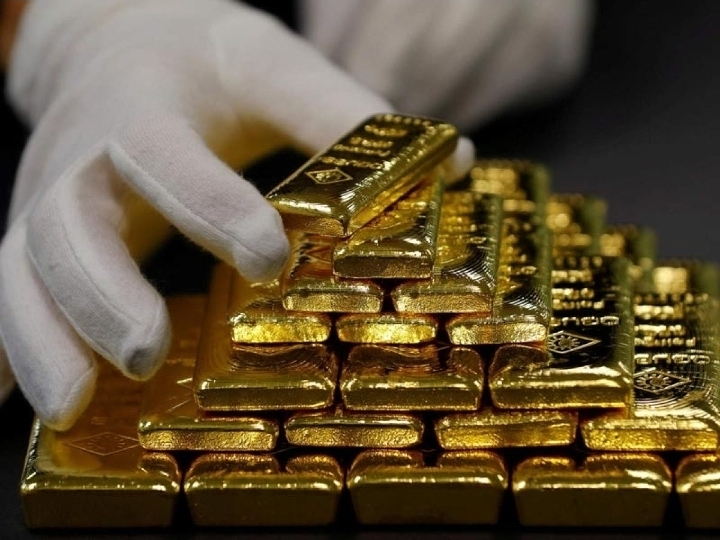
Gold dropped more than 20 percent from its January peak of $5,589 to the $4,370 range during the biggest Middle Eastern war in decades. GDX, the gold miners ETF, fell 28 percent in March alone. Ninety-five percent of its constituent stocks entered bear markets per Bloomberg. The RSI hit 9, the most oversold reading in years.
The war that should have sent gold to record highs instead killed it.
Here is the mechanism nobody else has connected across domains.
Iran closed the Strait of Hormuz. Oil surged above $115 per barrel. Energy-driven inflation reignited. The Federal Reserve held rates at 3.5 to 3.75 percent at the March 18 FOMC meeting per FinancialContent citing Bloomberg. Chair Powell said rate cuts were “off the table” for the rest of the year and hinted at further hikes to combat what he called “stubbornly persistent” energy costs. The dollar surged. The Bloomberg Dollar Spot Index made the greenback the preferred safe haven of 2026, not gold. International buyers found gold prohibitively expensive in dollar terms. And hedge funds facing margin calls in a declining equity market liquidated their gold positions to cover losses elsewhere.
The war created the inflation that created the rate hold that created the dollar strength that crushed the asset the war was supposed to protect.
This is the golden paradox. In every prior conflict, gold rose. The 1979 Afghan invasion. The 2003 Iraq War. The 2022 Ukraine crisis. Gold was the trade. In 2026, the market chose dollars over bullion during a shooting war.
And gold miners got hit from both sides. Gold price fell 20 percent, cutting revenue. Oil and diesel rose 30 to 45 percent, raising operating costs 15 to 25 percent per CRU Group. The same energy shock that drives safe-haven demand for gold simultaneously destroys the economics of mining it. Revenue down. Costs up. Margins compressed to levels not seen since the 2023 bottom.
The last time 90 percent of GDX stocks were in bear markets was October 2023 per Bloomberg. What followed was a 346 percent rally into March 1 2026, one of the strongest bull runs in gold mining history. The current setup at 95 percent is even more extreme.
But here is where the parallel breaks. In October 2023, the Fed was cutting rates. In March 2026, the Fed is holding rates because the war’s energy shock is feeding inflation. The macro tailwind that powered the 2023 recovery does not exist today. The tailwind is a headwind. The war that created the oversold condition also created the policy environment that prevents the recovery.
This is the same structural trap hitting Bitcoin miners. Marathon sold 15,133 BTC because mining margins collapsed. Gold miners are facing the same arithmetic: energy costs up, product price down, margins negative. The difference is that Bitcoin miners can pivot to AI data centres. Gold miners cannot pivot to anything. Gold miners dig gold. When gold falls and diesel rises, they have no alternative use for their shovels.
The golden paradox will resolve in one of two ways. Either the strait reopens and energy costs fall, restoring the rate-cut path that gold needs. Or the war continues and gold remains trapped between the safe-haven narrative that says it should rise and the dollar reality that says it cannot.
#Gold #USNoKingsProtests #BTCETFFeeRace #BitcoinPrices #TrumpSaysIranWarHasBeenWon