
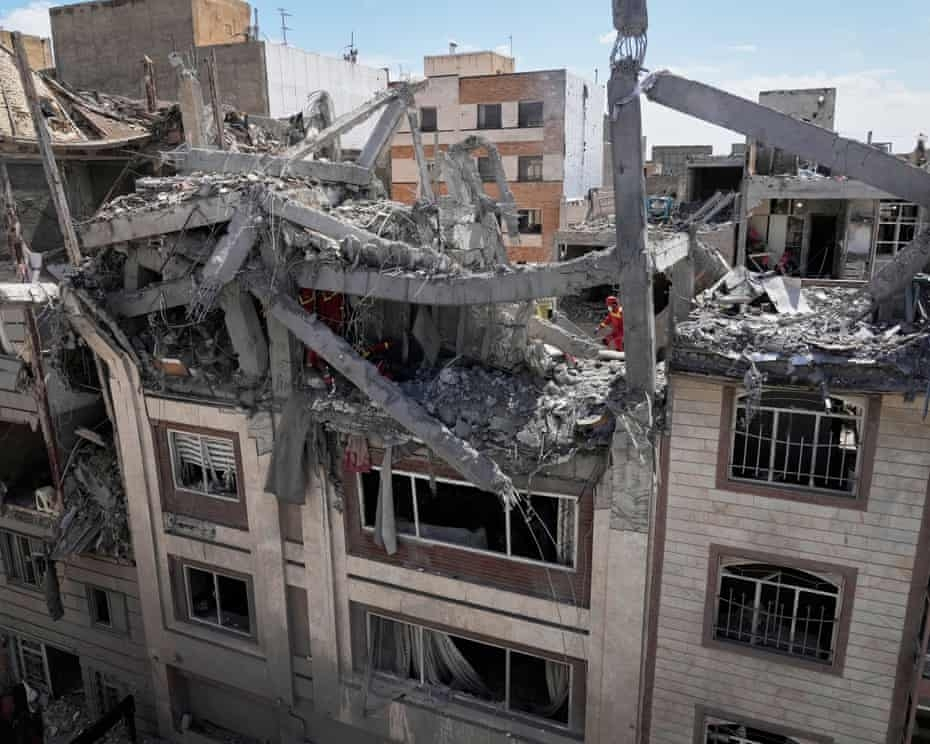
The ongoing conflict involving the U.S., Israel, and Iran continues to reshape the geopolitical and economic landscape. As of late March 2026, the situation has reached a critical juncture with significant ramifications for global trade, energy security, and regional stability.
Key Developments:
Maritime Standoff: The Iranian Revolutionary Guard Corps (IRGC) has declared the Strait of Hormuz closed to "hostile shipping," specifically targeting vessels linked to U.S. and Israeli allies. This move contradicts recent White House assertions that the corridor remains open and has led to the turning back of multiple container ships.
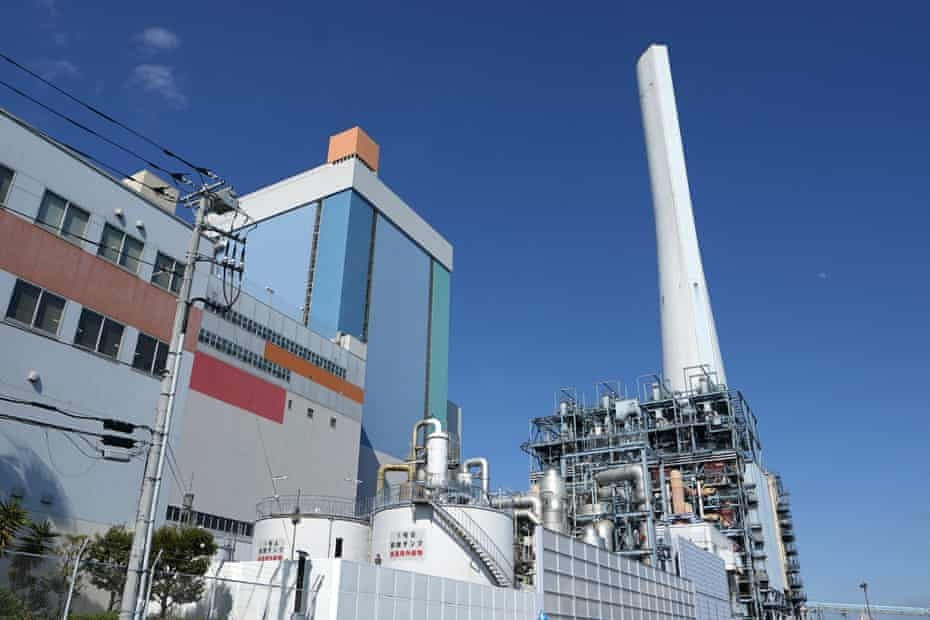
Energy Crisis: The disruption of transit routes has caused jet fuel prices to double, leading to massive flight cancellations by global airlines and a sharp rise in airfares. In response to LNG procurement uncertainty, Japan has announced a temporary return to full-scale coal-fired power operations to ensure a stable energy supply.

Military Assessments: While U.S. intelligence suggests that approximately one-third of Iran’s missile and drone arsenal has been neutralized, officials warn that a significant portion remains intact or protected in underground facilities.
Humanitarian Impact: The conflict continues to take a devastating toll on civilians. Reports from Lebanon indicate over 370,000 children have been displaced, with rising casualties resulting from intensified strikes in the region.
Diplomatic Efforts: Amidst the volatility, there are emerging signs of potential diplomatic movement. German officials have hinted at upcoming meetings between U.S. and Iranian representatives in Pakistan, though the situation on the ground remains highly combustible.
As the international community monitors these events, the focus remains on whether diplomatic channels can provide a de-escalation path before the economic and humanitarian costs climb further.
#MiddleEastCrisis #GlobalEnergy #Geopolitics2026 #StraitOfHormuz #InternationalSecurity


