

I have been noticing something frustrating in my daily routine that I never really questioned before. Every time I sign up somewhere, claim a reward, or verify access, I go through the same loop again and again. Upload details. Connect wallet. Prove eligibility. Wait for confirmation. It feels like I am constantly starting from zero, as if nothing I have done before actually matters. In a world that promises seamless digital experiences, this repetition feels outdated and exhausting.
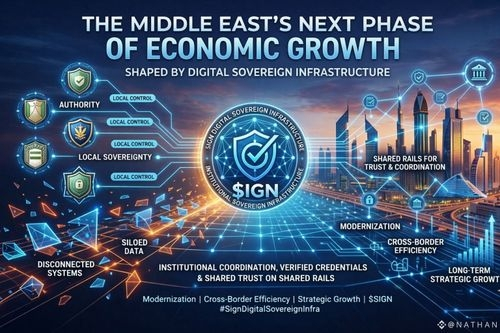
What started bothering me even more was the realization that this is not just inconvenience, it is a deeper flaw in how digital systems are built. Everything is isolated. Every platform builds its own version of truth. Every system asks the same questions without remembering the answers. It made me wonder why trust itself is not something we can carry with us. Why does every interaction feel like proving our existence all over again?
Recently, I came across something called SIGN, and I will be honest, my first reaction was skepticism. I have seen many projects claim to solve identity or distribution problems. Most of them feel like small fixes to a much larger issue. But what caught my attention here was different. It was not just trying to improve identity. It was trying to rethink how trust works at a fundamental level. That shift in perspective made me pause.
As I spent more time understanding it, I began to see SIGN as something bigger than a typical protocol. It is not just about who you are, but about what can be proven about you. Instead of repeating verification steps, the idea is that you carry credentials that are already validated. These credentials can represent your actions, participation, or eligibility. And once they exist, they can be used across multiple platforms without starting over.
The simplest way I could relate to it was thinking about real life documents. When you have a verified certificate, you do not need to retake the same exam every time you apply somewhere. You simply present proof. SIGN feels like it is bringing that same logic into digital systems. It transforms scattered data into something structured and reusable. That alone feels like a powerful shift.
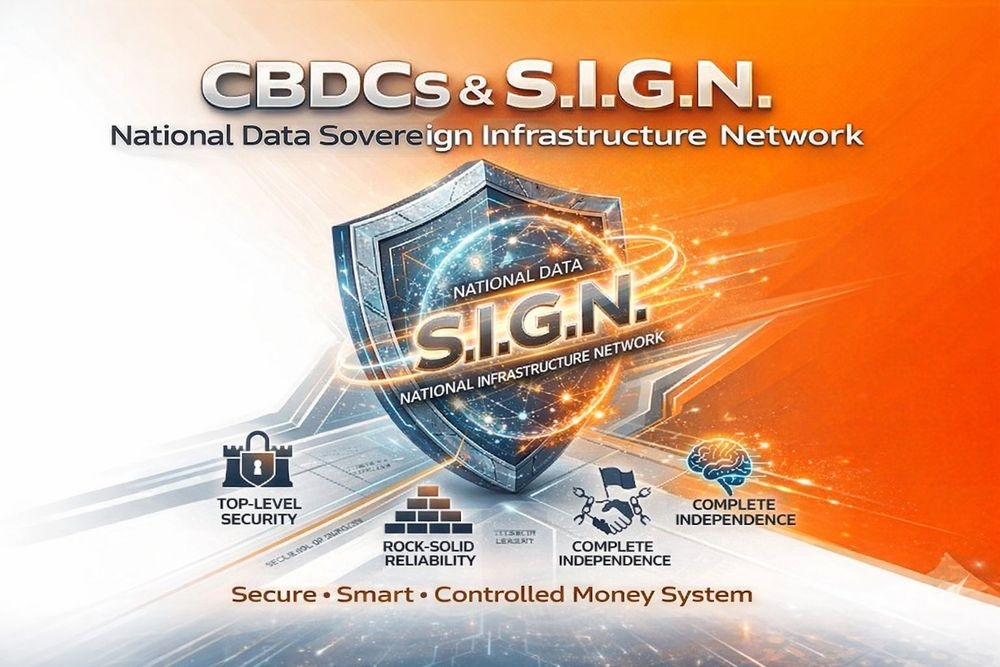
Then there is the part that really made me think deeper, token distribution. I have always felt that airdrops and reward systems are chaotic. They rely on assumptions, incomplete data, or easily manipulated metrics. Sometimes the people who truly contribute get overlooked, while others find ways to game the system. It creates a sense of unfairness that slowly erodes trust in the ecosystem.
SIGN introduces a different approach where distribution can be based on verified participation rather than guesswork. That means rewards could go to those who have actually proven their involvement. It changes the narrative completely. Instead of asking who might deserve something, the system can identify who has already demonstrated value. That feels like a much more honest way of distributing opportunities.
The deeper I thought about it, the more I realized that the real problem is not identity, it is coordination of trust. Every platform today operates in isolation, building its own rules and verification systems. This leads to duplication, inefficiency, and inconsistency. SIGN seems to be addressing this by creating a shared layer where trust can exist independently of any single platform. That idea feels both simple and revolutionary.
One concept that stood out to me was how credentials are treated as building blocks. Different entities can issue verifiable claims, and these claims can be combined to form a broader picture. It is like constructing a digital reputation that is not controlled by one system but recognized by many. This kind of modular trust opens the door to new possibilities in how systems interact with each other.
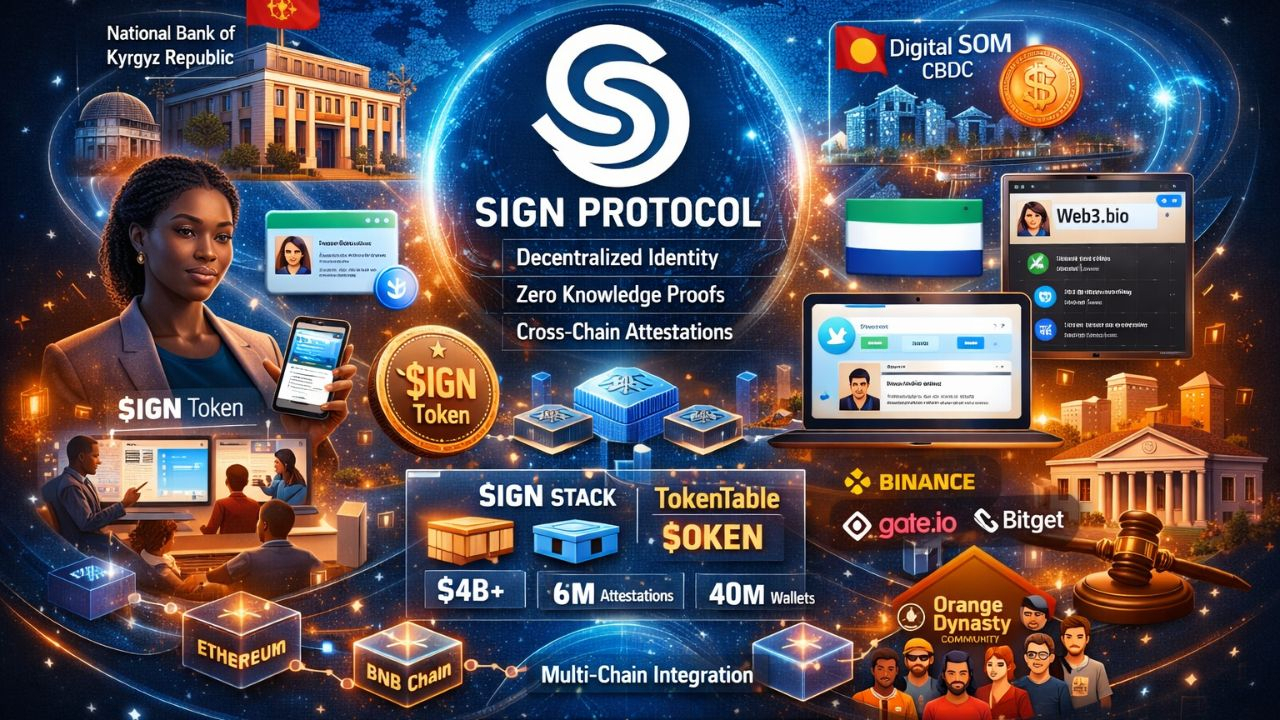
At the same time, I cannot ignore the questions that come with it. Adoption is a major challenge. For something like this to work, it needs widespread participation. Without enough issuers and users, the system cannot reach its full potential. I also keep thinking about accuracy and misuse. How do we ensure that the information being verified is reliable? And how do we prevent bad actors from exploiting the system?
There is also the balance between transparency and privacy. Carrying verifiable credentials sounds powerful, but it also raises concerns about how much information is exposed and who has access to it. These are not small challenges, and they will play a huge role in determining whether this vision can succeed.
When I step back and look at the bigger picture, I see a shift that goes beyond just one project. We are moving toward a world where systems are more connected, where data is more portable, and where trust is not locked inside individual platforms. The idea that your contributions and credibility can follow you across ecosystems feels like a natural evolution of the internet.
I do not know if SIGN will fully achieve everything it is aiming for, or how long it will take to get there. But what I do know is that it is asking the right questions. It is challenging assumptions that we have quietly accepted for years. And sometimes, that is where real change begins.
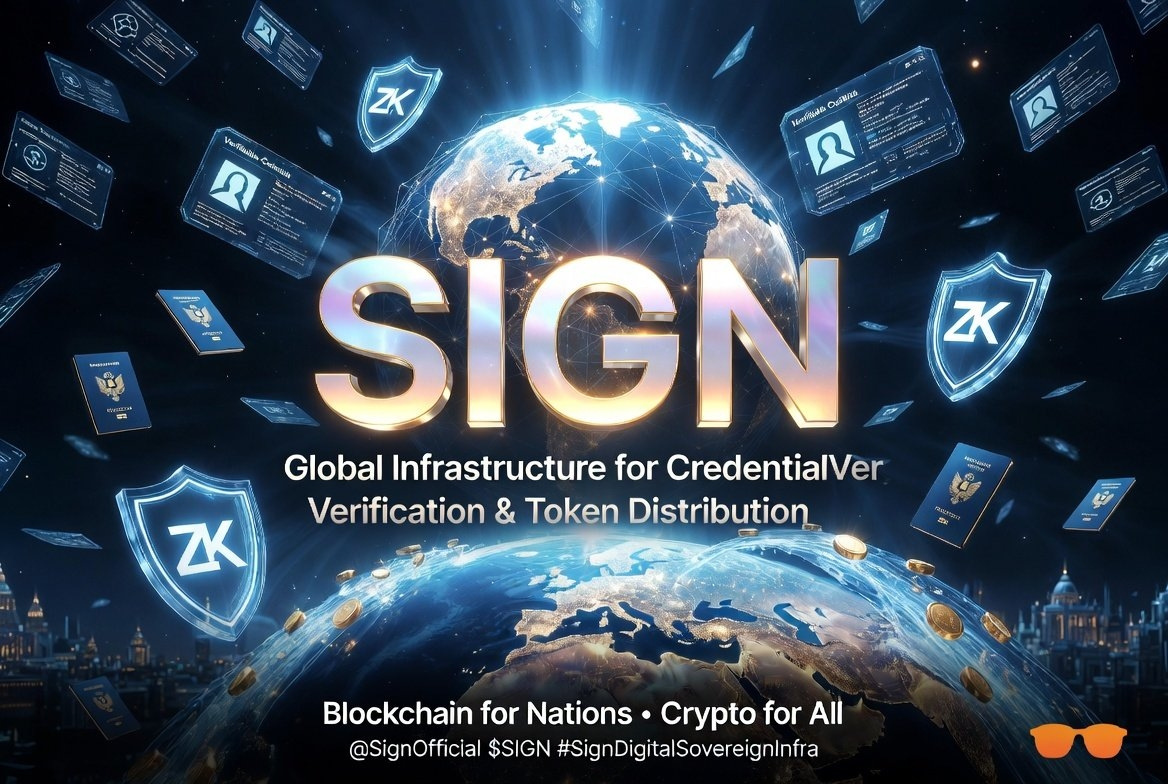
There is something powerful about the idea that one day, we might not have to constantly prove ourselves to every new system we encounter. That trust could become something we build once and carry forward. If that future becomes real, it will not just improve efficiency, it will fundamentally change how we experience the digital world. And maybe that is why I cannot stop thinking about it.