


#signdigitalsovereigninfra I see @SignOfficial as a kinda harsh, but most “verifiable credential” projects are actually selling the opposite of what people think they want 😞 they promise proof, sure but the fine print is that you hand over your entire history to get it. one click and suddenly your degree, your salary slips, your medical records, your entire contribution log is out there forever, readable by anyone who knows how to query the chain. the system gives you trust at the cost of your privacy, and then calls that progress. users nod along because the marketing sounds revolutionary, until the day they realize they can never take any of it back.
that’s the trap. in a world where data is permanent and searchable, “proof” quickly becomes surveillance dressed up as sovereignty. you prove you’re over 18 and suddenly every app knows your exact birthday. you prove you graduated and recruiters see every other credential you ever issued. the ledger doesn’t forget, and neither do the people who build on top of it. intent, context, and the right to move on get erased the moment something is attested. effort becomes a permanent tattoo instead of a quiet credential you can show only when it matters.
$SIGN flips the entire equation. it isn’t selling permanent records for the sake of transparency theater. it’s selling the ability to prove a fact once and then let the rest disappear while the proof itself remains bulletproof. zero-knowledge at the core means you can confirm “I earned this income last year” or “I hold this citizenship status” without ever exposing the supporting documents, the exact numbers, or the full timeline. the schema layer makes sure the claim is structured and machine-readable, but the actual sensitive payload stays yours. you control what leaks and what stays buried. that’s not a nice-to-have privacy feature; it’s the entire product.
think about what that actually unlocks. a developer can prove she contributed to open-source without revealing every line of code she ever wrote. a founder can verify previous funding rounds without exposing cap tables. a citizen in a digital nation can prove eligibility for a government program without handing the state (or any app) a lifelong dossier. the credential travels, gets verified across chains, influences decisions and then the underlying personal data can be forgotten by design. the system remembers the truth without remembering your life
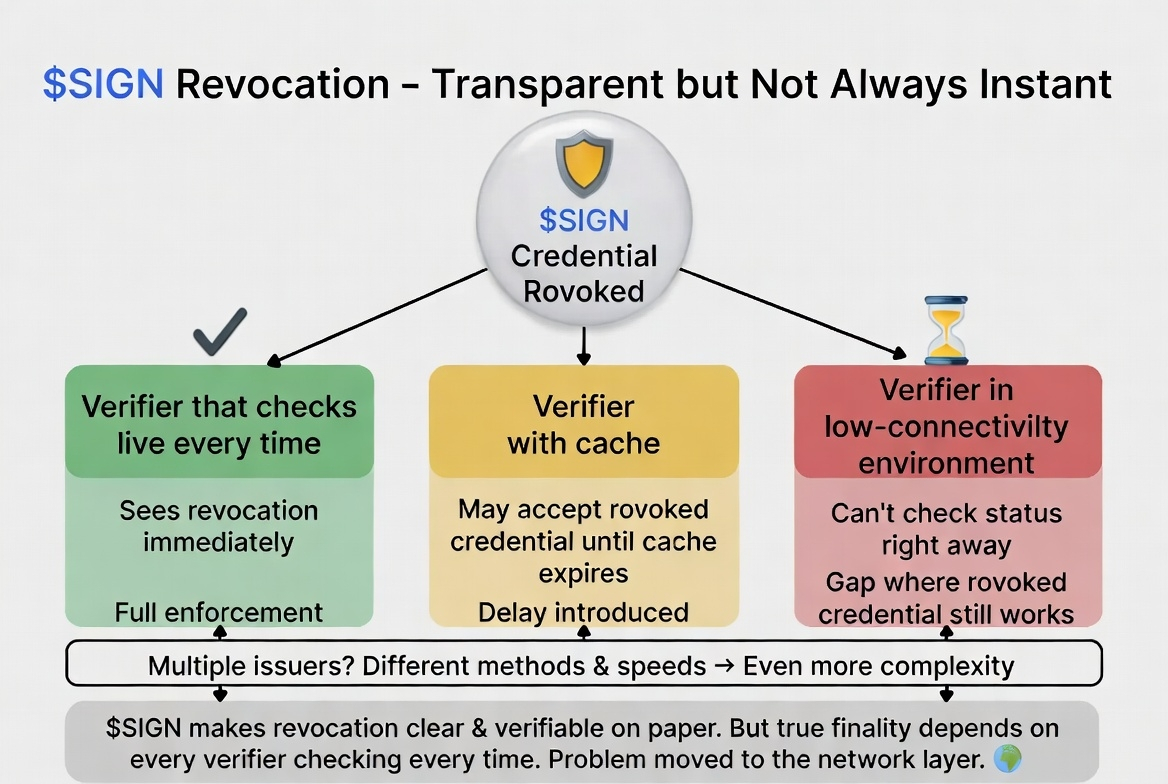
this is where the infrastructure layer earns its keep. the hybrid storage keeps the heavy personal bits off-chain or encrypted, anchoring only the cryptographic commitment on-chain. the indexer and explorer let apps query the proof without ever touching the private source. multi-chain consistency means your right to selective disclosure works the same on Ethereum as it does on any other network SIGN touches. no more “prove once, expose forever” trade-off that has haunted every previous attempt at real-world credentials.
most projects are still competing on how much data they can lock down publicly. $SIGN is competing on how little you ever have to reveal while still being trusted at scale. it’s not anti-transparency it’s pro-sovereignty. you keep the right to be forgotten, and the network keeps the right to verify. both sides win without the usual privacy bloodbath
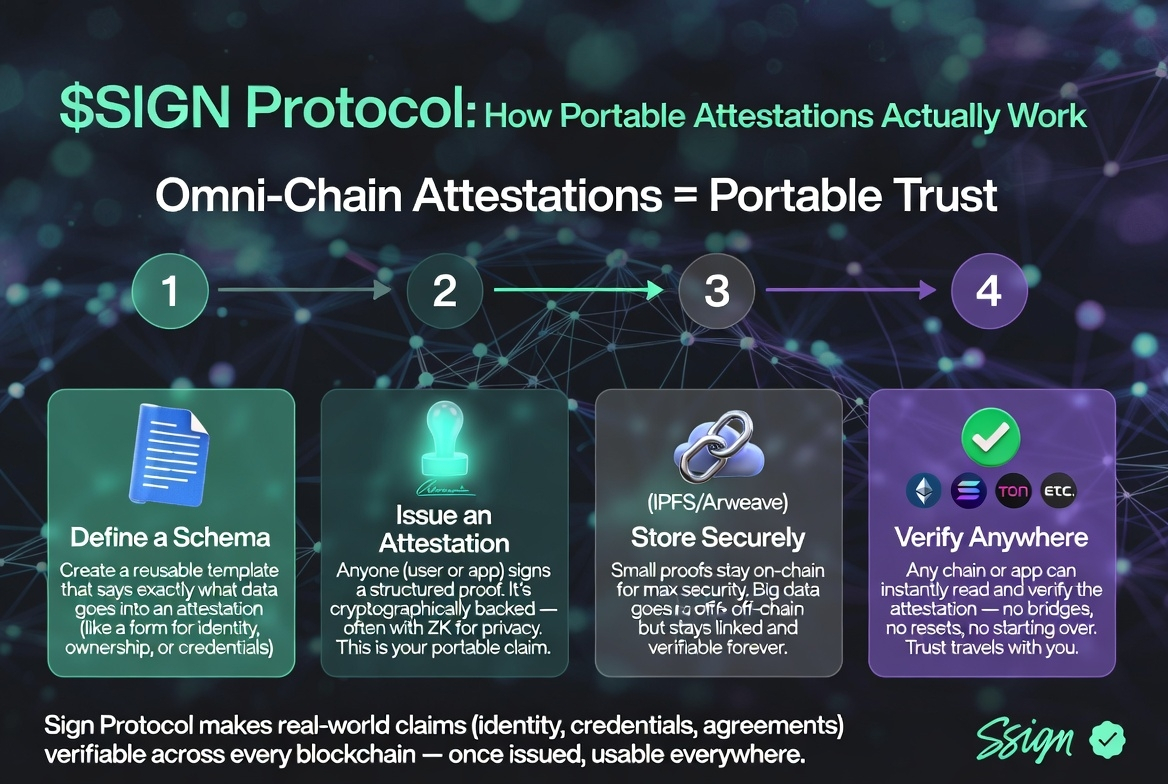
the market is still chasing projects that scream “look how much we can prove.” quietly, the ones that will actually matter are the ones that let you prove what you need and then disappear the rest. that’s the quiet revolution $SIGN is building verifiable trust that respects the human need to move forward without dragging yesterday’s data behind it. @SignOfficial