Introduction
“Why does Bitcoin crash as soon as oil touches $100… but oil companies secretly do something, which is Bitcoin mining. This hidden alliance is the biggest game-changer of 2026!".
These days, the Hormuz Strait is closed due to the war between the U.S.A and Iran, which has blocked the route for crude oil transportation, leading to a daily shortfall of 1 million barrels of crude oil for the whole world. Whether it is crude oil or LNG, production has come to a halt everywhere due to the war.
The crypto market is also not untouched by this. So let’s understand how crude oil impacts the crypto market. But first, we will see what the relationship between oil and crypto is.
The relationship between oil and crypto (especially Bitcoin) is very complex; there is no fixed long-term link, but in the short term, geopolitics and energy affect each other. I will explain step by step.
1. The Game of Macroeconomics and Market (Risk Assets)
👉 Both oil and crypto behave like risk assets. In a bull market, both rise together as demand increases with a strong economy.
👉However, in the short term: Rising oil prices lead to a drop in crypto. For instance, if tensions in the Middle East (events in the Hormuz strait or Iran) push oil above $100, inflation will rise, Fed rate hikes may occur, liquidity will tighten – hence Bitcoin and ETH dip.
2. Direct Link Between Energy Consumption and Bitcoin Mining
👉Bitcoin mining consumes a lot of electricity (90% of costs are electricity). Rising oil prices make global energy expensive, squeezing miner margins, and hash rates may decrease slightly.
3. And Some Smaller Links
Volatility spreads from both sides (according to academic studies).
👉 There are some crypto products directly linked to oil prices (like oil-pegged tokens), but they are at a smaller level.
And what are the impacts that affect crypto in the short term. (With real examples)
👉When oil prices spike (as now in the Strait of Hormuz crisis where WTI reached $93-110+), Bitcoin @Bitcoin and crypto drop.
👉Why? Rising oil increases inflation → Fed rate hikes or cuts are delayed → global liquidity tightens → risk assets like BTC and stocks all drop.
👉Latest data: The correlation between BTC and WTI crude has reached 0.68 (normally it is below 0.3). Example – when oil is above $100, BTC has been around $66k-$70k, and when oil stabilizes, BTC bounces.
👉Long-term (10+ years): Correlation is almost zero. Bitcoin has become its own asset class – driven by halving, ETFs, and adoption, separate from oil.
Latest updates in 2026: Positive side for crypto
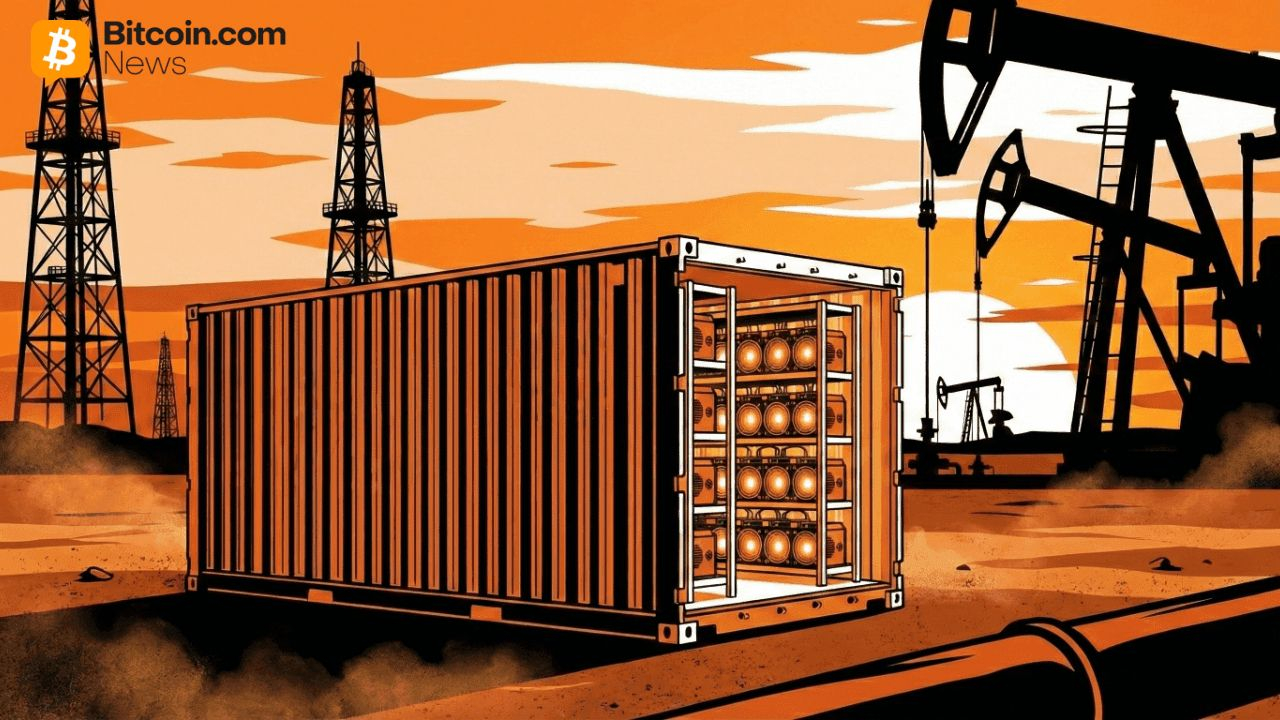
👉Venezuela: With the opening of the oil industry, flared gas is bringing a new boom in Bitcoin mining – experts say mobile rigs can earn crores.
👉Canada (Calgary): The Canaan company has started a pilot project for mining using flared gas and HPC (high-performance computing).
👉This is already happening in the US (Texas, North Dakota, Permian Basin) – companies like Crusoe and Giga are setting up rigs on oil wells.
Conclusion
If the oil spike comes from geopolitics, it is a headwind for crypto in the short term (due to macro reasons). However, in the long term, Bitcoin is moving separately from oil. The most exciting part is the partnership involving flared gas – the oil industry and crypto are supporting each other.
A question for you:
📊 POLL:
"What will Bitcoin do when oil exceeds $100 during the Hormuz crisis?"
(A) Will go down (due to inflation and rate fears)
(B) Will go up (risk-on sentiment)
(C) It won’t make a difference
(D) I don't know.

#binance #OilPricesDrop #BTC走势分析 #bitcoin #btc70k