In the crowded crypto arena, where attention is chased through celebrity endorsements and viral memes, SIGN Token stands out for doing the opposite: it is earning interest through quiet, measurable progress. Launched with a focus on verifiable credentials and token distribution, SIGN is not chasing retail FOMO. Instead, it is addressing a fundamental and often overlooked gap in Web3—the chasm between owning a digital identity and using it in real transactions.
“In a market flooded with hype, one token is earning attention the old-fashioned way: real utility. Here’s how SIGN is quietly bridging digital identity to everyday transactions.”
Many blockchain projects have created tools for digital ownership, such as wallets and NFTs, but their practical use is limited due to off-chain verification challenges. SIGN Protocol addresses this by providing an omni-chain attestation layer for issuing verifiable claims, like digital IDs and ownership proofs, that are compatible across multiple blockchain platforms. Additionally, by integrating with TokenTable for smart contracts, SIGN transforms static identities into functional, transaction-ready assets.
“Most crypto projects stop at ownership. SIGN Token is building the bridge to actual use verifiable identities that power real-world deals, compliance, and capital flow. No noise, just results.”
This is not abstract theory; in 2024, the protocol processed over 6 million attestations and facilitated more than $4 billion in compliant token distributions. These figures indicate organic demand from governments and enterprises utilizing the infrastructure for capital programs and identity verification, rather than speculative trading volume.
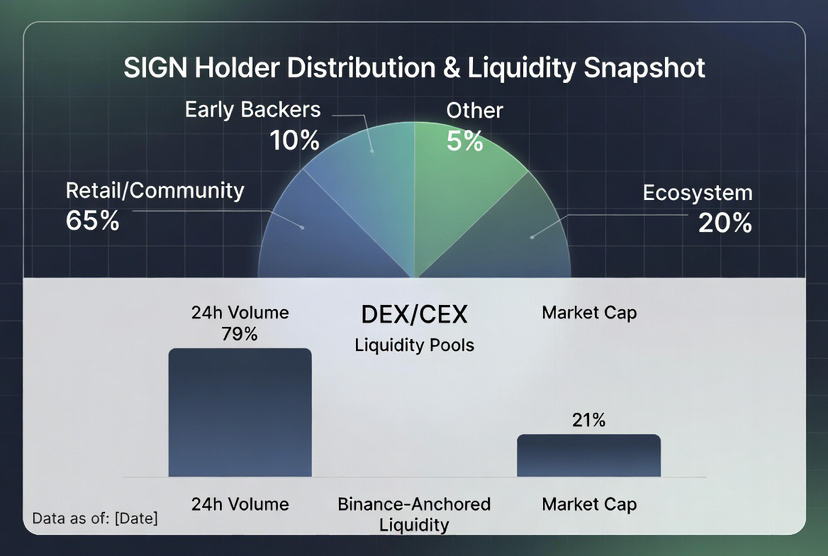
As of late March 2026, SIGN is trading at approximately $0.032 with a market cap of $52.6 million and a significant 24-hour trading volume exceeding $41 million. The liquidity is primarily on Binance and other top-tier platforms, with 1.2 billion tokens (12% of the total 10 billion supply) initially circulating. The current circulating supply is 1.64 billion tokens, and there are about 16,300 holders, indicating growth from genuine users rather than speculative investors. This distribution reflects a focus on utility-driven holders who participate in staking for governance and protocol access, promoting sustained demand over ephemeral market trends.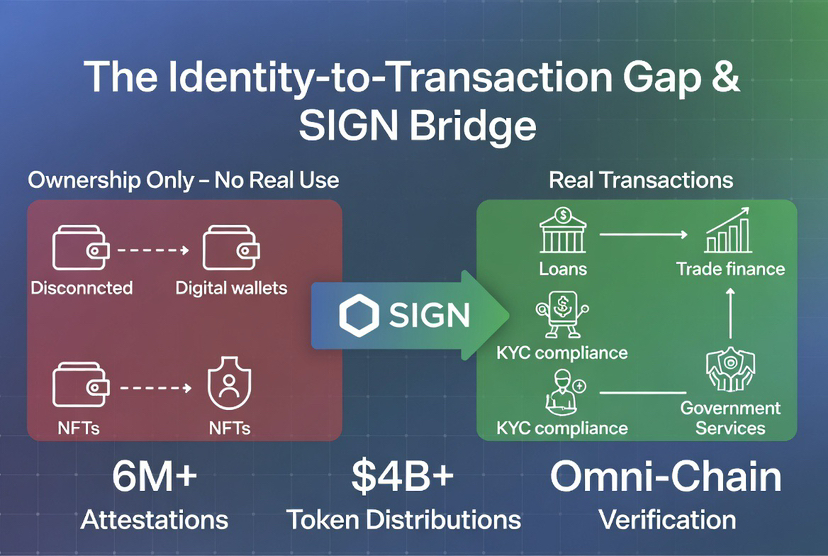
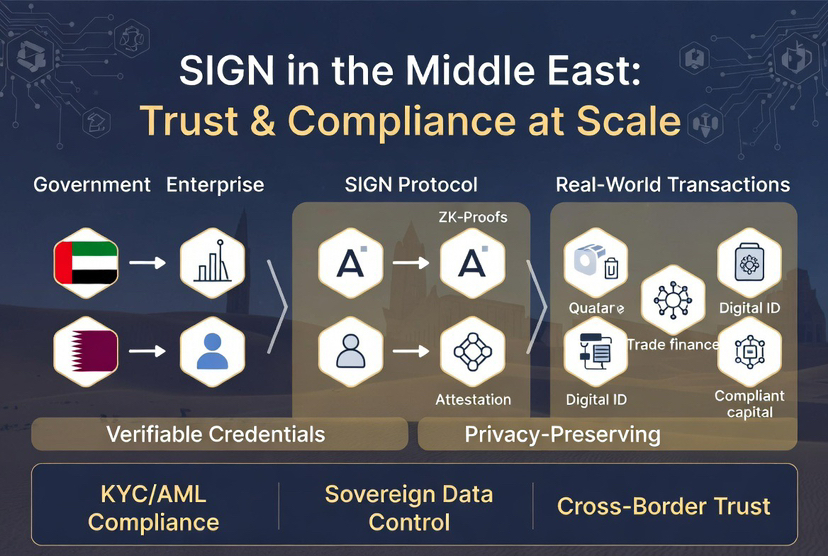
Critically, while SIGN's dual-layer architecture combines public transparency with private sovereign layers and zero-knowledge proofs, its real challenge lies in scaling beyond pilots into production systems without losing decentralization. In the Middle East, where digital transformation strategies focus on innovation and regulatory compliance, SIGN's solutions facilitate KYC/AML-compliant credential sharing, critical for trust in capital flow. Partnerships, such as with the Abu Dhabi Blockchain Center, underscore its alignment with regional priorities, transforming blockchain from a speculative risk into a utility that supports secure, auditable systems essential for institutional investments and national control.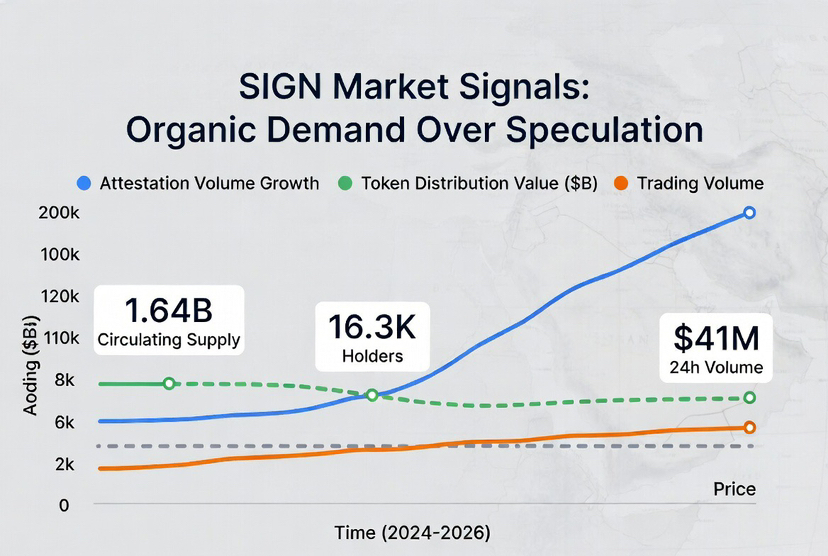
Holder distribution shows that SIGN avoids high concentration issues seen in other tokens, thanks to governance by long-term contributors. This structure supports healthy liquidity, derived from genuine usage and demand for the utility token instead of artificial price increases.
“Digital identity without application is just another wallet. SIGN Token is closing that gap with organic demand, deep liquidity, and sovereign-grade trust especially where it matters most: the Middle East.”
SIGN Token is demonstrating that substantial progress can attract attention without making grand promises. It aims to provide the essential layer that transforms digital ownership into an economic infrastructure, potentially laying a foundation for blockchain adoption in the Middle East and beyond. Its sustainability relies on ongoing execution, but early indicators like liquidity depth, organic holder growth, and sovereign relevance suggest potential worth monitoring.