
So, you know that feeling when crypto used to just be about hopping from token to token, chasing the next big thing? Yeah, those days were kind of wild — but things are changing. Now, everyone’s talking about trust. And honestly? SIGN Protocol is right in the thick of that shift.
Okay, let’s keep it super simple. There was a time I tried explaining “attestations” at a family dinner and—ugh, lesson learned, don’t bring blockchain to Thanksgiving. But here’s how I should’ve explained it:
🧠 What is SIGN Protocol?
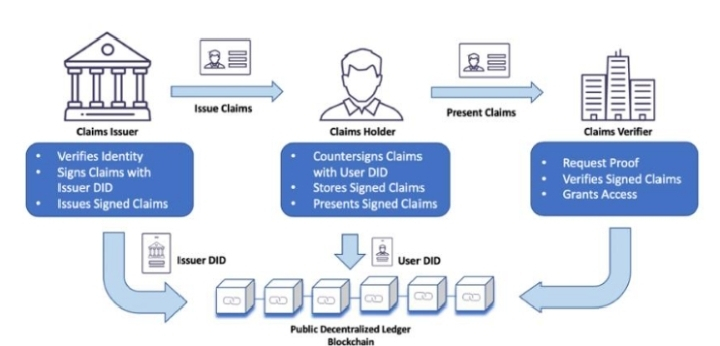
SIGN Protocol basically lets people and orgs — like your school, your workplace, or even a random DAO you contribute to — create and verify digital proofs, aka “attestations,” right on the blockchain. Imagine your university giving you a certificate, but instead of some dusty paper or a sketchy PDF, it’s immortalized on-chain. Or say your boss vouches for your work history — it’s right there, easy for anyone to check. It’s all public, can’t be faked, and doesn’t need some third-party to approve it.
Here’s the vibe: no more secret back rooms or shady centralized databases. Everything’s out in the open, transparent, and locked in. You know, like a tattoo — can’t erase it.
🔑 What Are “Attestations”?
Attestations are basically trusted statements. “Alice completed a course.” “Bob owns this wallet.” “That dude actually attended the conference (and didn’t just party at the bar next door).” These aren’t just random lines — they’re signed off by people or orgs you can trust, saved in the open on-chain, and anyone can check them.
I remember messing with a Web3 community once — someone claimed they’d organized an epic event, but with attestations? You’d either have proof on-chain, or you didn’t. No more tall tales.
The cool thing is, you don’t have to trust anyone blindly anymore. You just check the statement.
⚙️ How Does SIGN Protocol Work?
Here’s how it usually goes (and yeah, it’s straightforward):
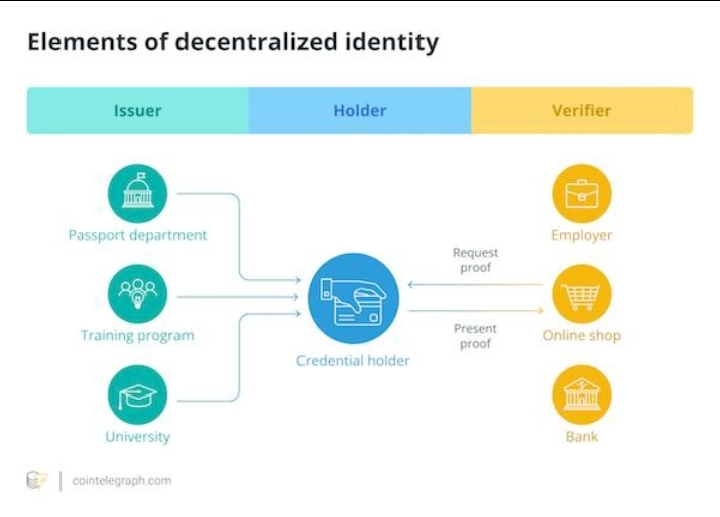
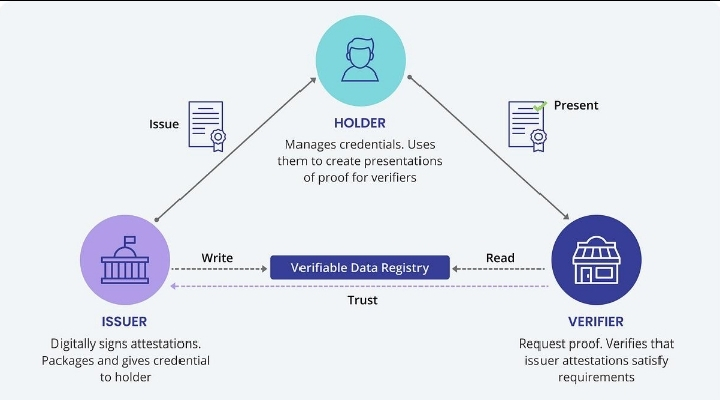
Issuer creates an attestation. Let’s say a company verifies you interned there.
Attestation gets pushed on-chain via smart contracts. No paperwork, no emails.
You actually “own” that proof — it sits in your wallet, like digital street cred.
Anyone can check it. Instantly. No middleman, no drama.
The first time I realized how fast you could verify something on-chain, it blew my mind. No more waiting weeks for someone to send an email — it’s there, right when you need it.
🚀 Why SIGN Protocol Matters
Look, the way things work today? Most systems are locked up. Banks decide if you’re worthy, platforms hoard your credentials, and institutions nestle your info away in their own little kingdoms.
SIGN Protocol flips all that. Now, you actually own your identity. Your data doesn’t get stuck in some database you never see. Verification goes trustless — nobody gets to play gatekeeper. Suddenly, it doesn’t matter where you are or who you know: anyone, anywhere, can verify stuff. Plus, because it’s Web3, your data plays nice across different apps.
🌍 Real-World Use Cases
SIGN Protocol isn’t some daydream — it’s out there doing stuff. Say goodbye to fake diplomas. Companies can check work history and stop wasting HR’s time. KYC becomes easy — all the compliance stuff gets handled without giving up your whole life story. And DAOs? They finally get real ways to track contributions — no more guessing who actually did what.
⚠️ Things to Keep in Mind
I won’t sugarcoat it: SIGN Protocol is still pretty fresh. Adoption’s not everywhere yet, so you won’t see it everywhere you go. To be useful, you need trustworthy issuers (not some random bot cranking out nonsense). And sometimes, you gotta balance showing off your achievements with keeping things private — kind of a tricky line.
🧭 Final Thoughts
Honestly, when I look at stuff like SIGN, I see this quiet evolution happening in crypto. We spent years flipping coins and chasing hype, but real-world utility? It’s this kind of infrastructure that makes Web3 actually usable.
At the end of the day, it’s about turning “trust” from something you just assume into something you can actually verify. That’s huge. In my book, protocols like SIGN are building the foundation for a more open—and honestly, more honest—digital world. And that’s not just hype; it’s progress.