
I’ll be honest — I didn’t think trust would be the thing that breaks me in crypto.
Not volatility. Not narratives. Not even the endless cycle of hype and decay.
It’s trust — or more precisely, the quiet absence of it — that keeps showing up in ways we don’t talk about enough.
Because underneath all the noise, there’s a pattern most people don’t want to admit:
we’ve built an industry obsessed with removing intermediaries… while quietly recreating trust assumptions everywhere.
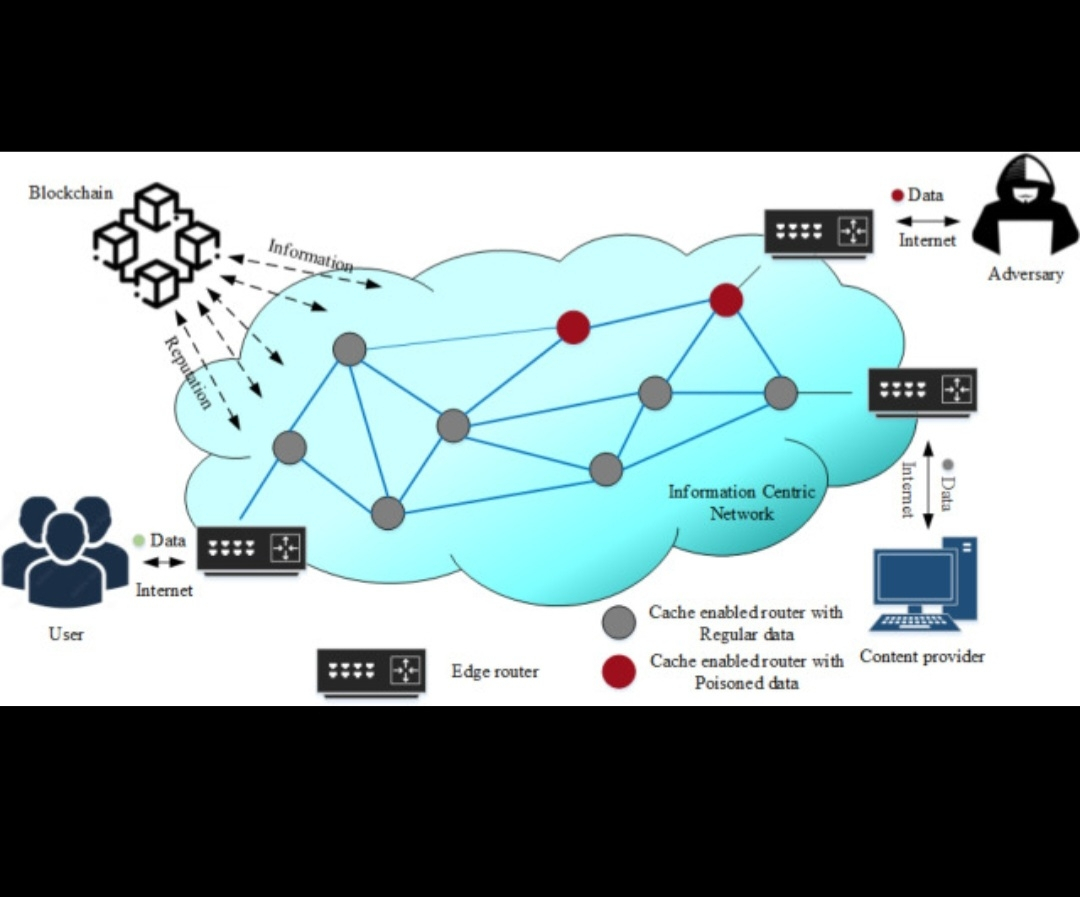
We trust dashboards.
We trust influencer threads.
We trust “verified” metrics that no one actually verifies.
And somewhere along the way, “don’t trust, verify” turned into “trust, but faster.”
That’s where SIGN started to feel different to me.
Not because it promises something flashy — it doesn’t.
If anything, it feels almost… uncomfortably fundamental.
SIGN is built around a simple but uncomfortable idea:
what if the real missing primitive in crypto isn’t speed, scalability, or even liquidity — but verifiable truth?
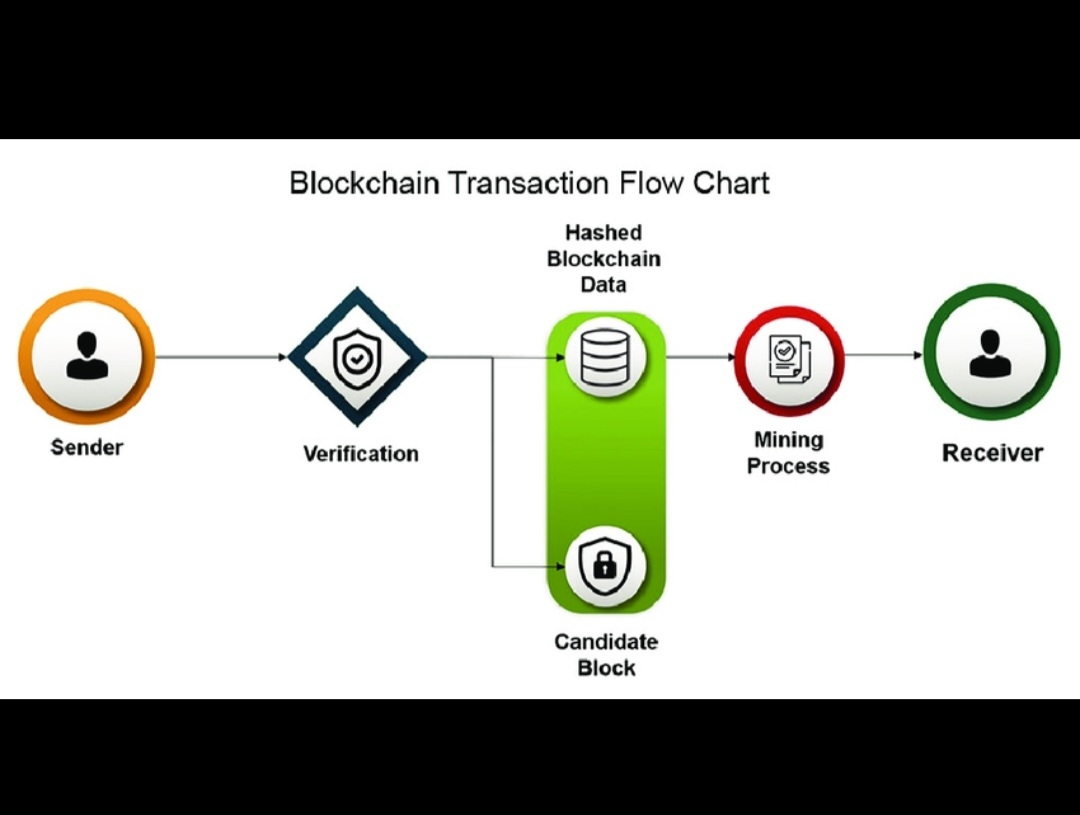
Not opinions. Not narratives. Not screenshots.
Actual attestations.
Structured, on-chain claims that can be verified, reused, and composed across systems.
The more I think about it, the more everything starts to look like an attestation problem.
A wallet claiming eligibility? That’s an attestation.
A protocol claiming TVL? Another attestation.
A user proving reputation, participation, or identity? Same pattern.
We’ve just been handling all of this in fragmented, unverifiable ways.
SIGN doesn’t try to replace these systems — it tries to standardize how truth itself is expressed inside them.
That distinction matters more than it sounds.
Because once truth becomes structured and portable, something shifts:
Data stops being static
Claims stop being isolated
Trust stops being subjective
It becomes infrastructure.
And this is where I think most people are still underestimating it.
We’re used to evaluating projects based on visible outputs — tokens, charts, ecosystems, hype cycles.
But SIGN sits in a different layer entirely.
It’s not trying to win attention. It’s trying to quietly redefine how systems agree on reality.
That’s not something you feel immediately.
It’s something that compounds.
What actually caught me off guard is how broad the implications are once you start pulling on this thread.
Reputation systems become composable.
Airdrops become verifiable instead of speculative.
Onboarding becomes programmable instead of manual.
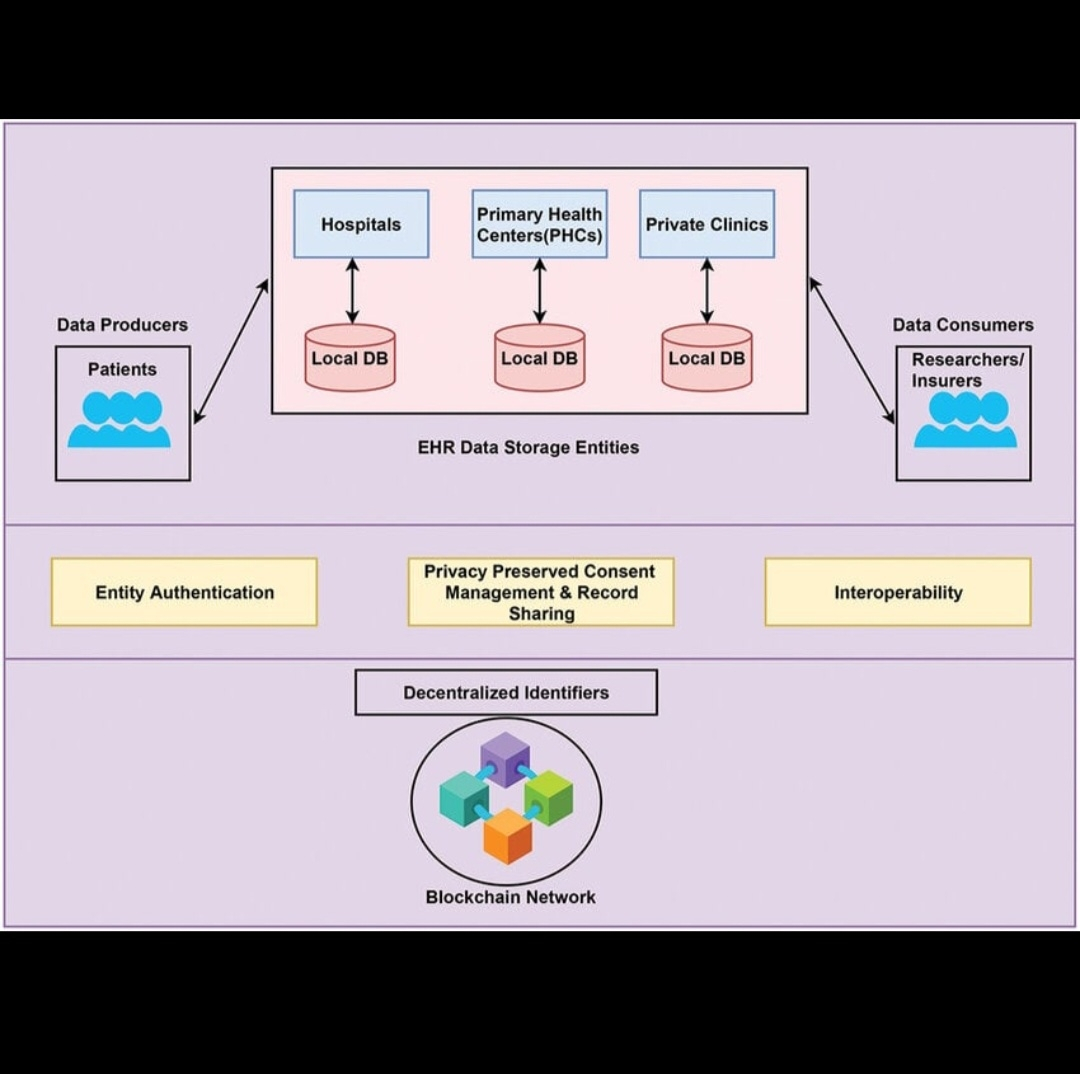
Even governance — something we pretend is decentralized — starts to shift when participation and legitimacy can be proven, not assumed.
And suddenly, you’re not just talking about a tool.
You’re looking at a coordination layer.
The uncomfortable truth is that crypto didn’t eliminate trust.
It displaced it.
And in doing so, it created a vacuum — one filled by social consensus, narratives, and soft verification.
SIGN feels like an attempt to close that gap.
Not by adding more noise…
but by giving systems a way to agree on what’s actually real.
I’m not saying this is the next hype cycle.
If anything, it probably isn’t.
Infrastructure like this rarely is.
But I do think we’re reaching a point where the absence of verifiable truth is becoming harder to ignore.
And when that happens, the projects solving it don’t look exciting at first.
They just quietly become necessary.
That’s where I see SIGN.
Not as another protocol competing for attention
but as a layer that might eventually sit beneath everything… whether people notice it or not.