
In a market often driven by hype, real utility remains the most reliable indicator of long-term value. While many projects focus on short-term price action, Sign Protocol ($SIGN ) is quietly building the essential infrastructure—the "Truth Layer"—required for a scalable, secure, and decentralized internet.
What is the Sign Protocol?
At its core, Sign Protocol is an omni-chain attestation framework. It moves us away from the outdated "just trust me" model toward a "verify me" reality. By allowing users, organizations, and smart contracts to publish cryptographically signed claims (attestations), it ensures that data—whether it’s identity, credentials, or proof of ownership—can be verified across any blockchain without a central intermediary.
The Three Pillars of the Ecosystem
Sign isn’t just a token; it’s an ecosystem of modular components:
Attestation Engine: Acts as a decentralized notary, allowing parties to issue and verify claims about subjects (like wallet addresses or identity credentials) securely.
Schema Registry: Provides the "blueprint" for data, ensuring that attestations are consistent, interoperable, and easily understood by any Web3 app.
Privacy-First Design:
Through encryption and Zero-Knowledge Proofs (ZKPs), users can prove facts—such as eligibility for a DAO vote or a specific credential—without exposing their underlying personal data.
Why #SignDigitalSovereignInfra Matters Now
We are seeing a shift where institutions and governments are looking for ways to manage sovereign digital money and identity. By being blockchain-agnostic—supporting Ethereum, Solana, TON, and more—Sign Protocol is becoming the cross-chain standard for:
Airdrops & Token Distribution:
Ensuring tokens reach real builders and genuine users, not just bot farms.
Digital Identity:
Moving real-world credentials on-chain to provide portable, verifiable proof of who you are.
Auditability:
Creating immutable trails for everything from contract signatures to supply chain verification.
The Bottom Line
$SIGN is focusing on the "plumbing" of the decentralized web. As digital interactions become more complex, the need for a shared, tamper-proof evidence layer will only increase. By solving the fragmentation of trust between blockchains, $SIGN is positioning itself as a core component of the next generation of digital infrastructure.
Disclaimer: This post is for informational purposes only and does not constitute financial advice. Always perform your own research before making investment decisions.
#SIGN #SignDigitalSovereignInfra @SignOfficial 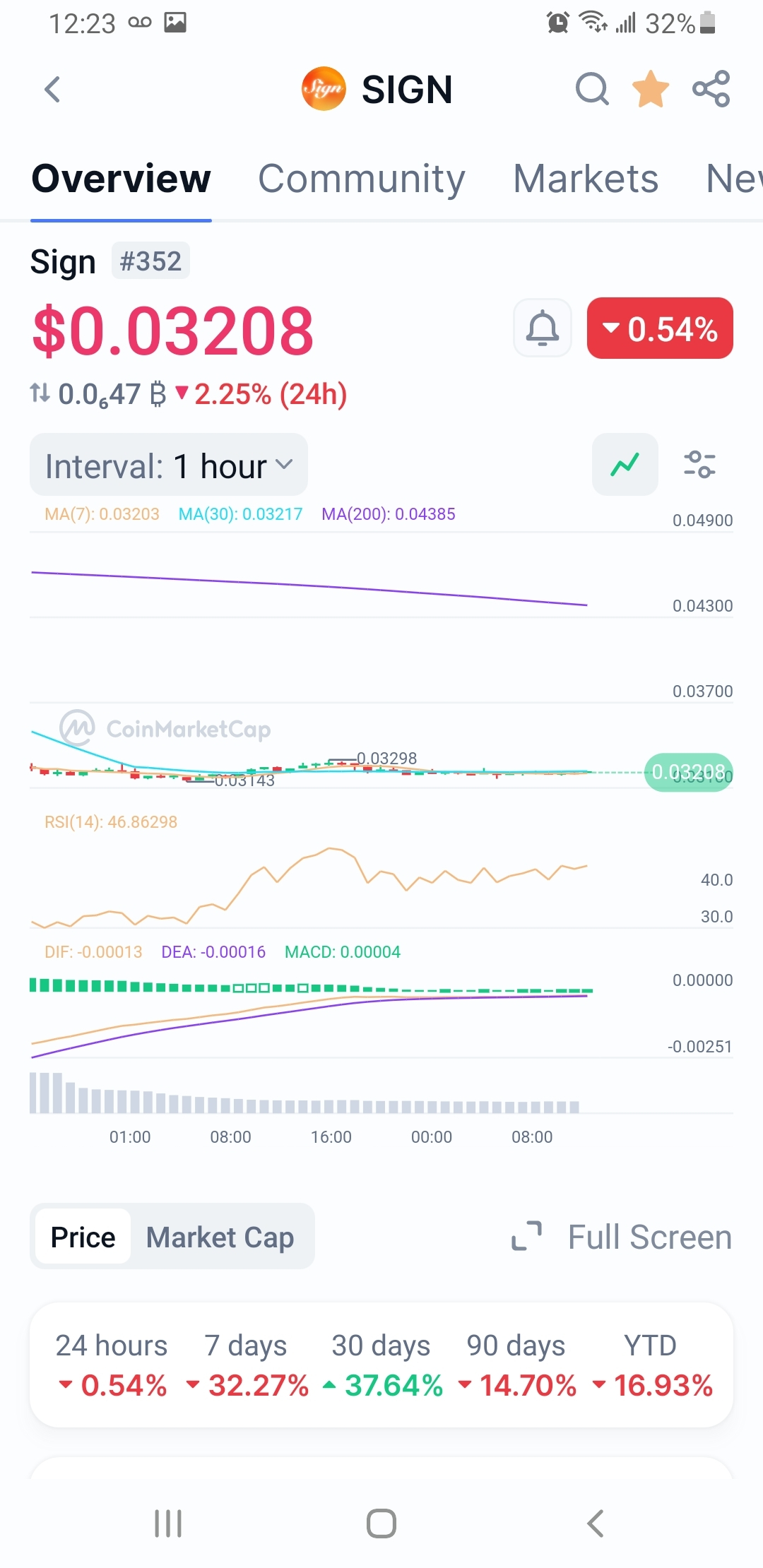
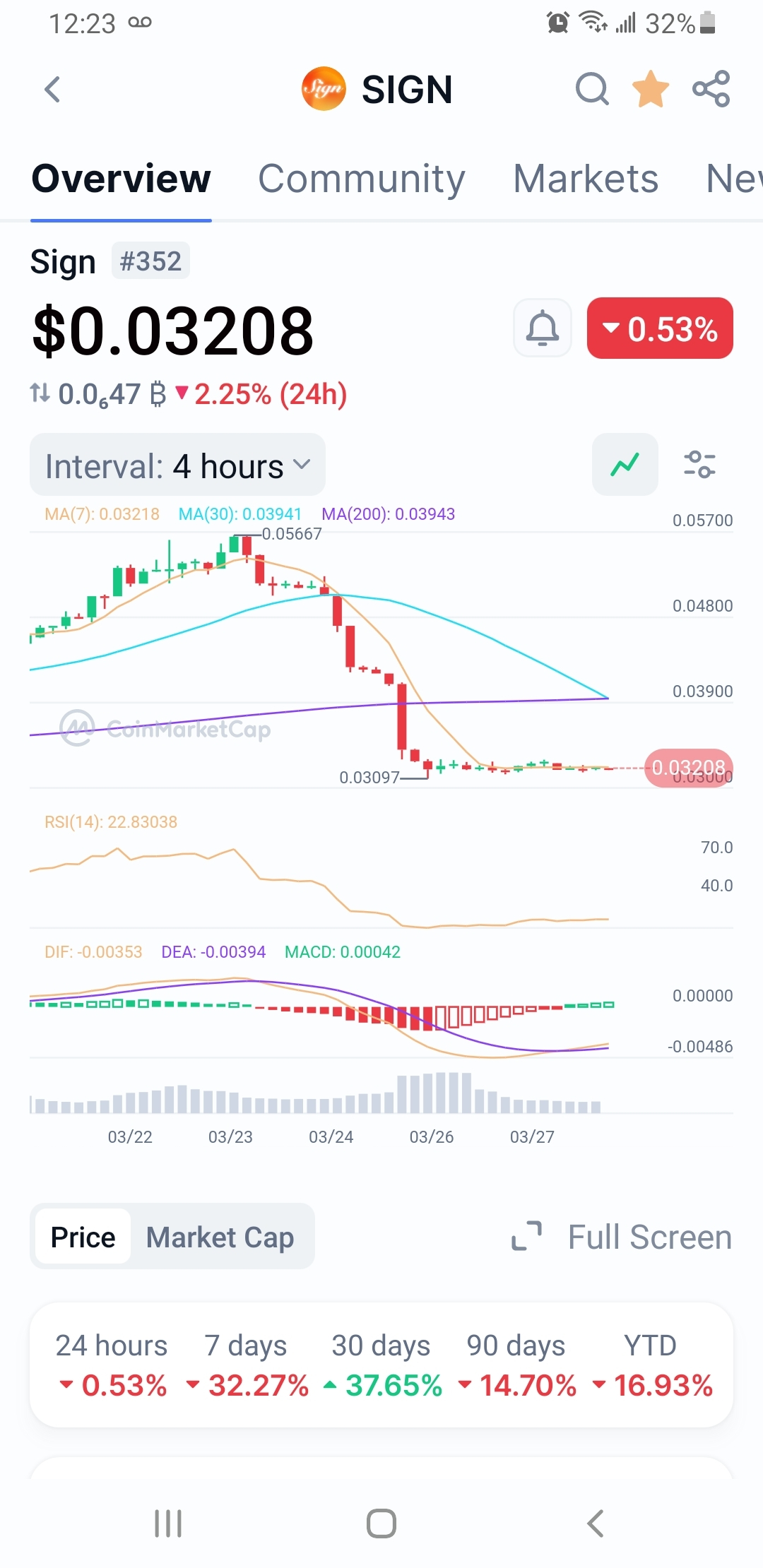 #Web3 #CryptoAnalysis #Blockchain #Write2Earn #BinanceSquare