

SIGN is sitting in my peripheral vision, and I keep turning back to it, mostly because I’m tired of ignoring the small, persistent problems that never get headlines. Credential verification, token distribution—they sound like slogans until you deal with the chaos of real people moving through a system that barely bends to human behavior. I’ve seen too many projects promise clean infrastructure and deliver spreadsheets full of holes. I watch, I wait, I note when the same old mistakes creep in.
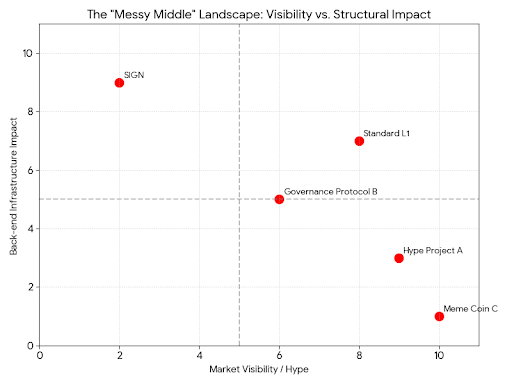
This one is different in the sense that it’s trying to tackle the messy middle. Verification is one of those things nobody celebrates until it breaks. Distribution is one of those things nobody notices until it goes sideways. Most of crypto wants glamour. Clean interfaces. Buy-and-hold narratives. But the real work—the stuff that makes the system function quietly in the background—is almost always ignored. And maybe that’s why I keep looking at SIGN.
It doesn’t feel polished. It shouldn’t. Infrastructure doesn’t announce itself with hype; it survives with consistency. But surviving here is not easy. People want fairness without effort, inclusion without rules, rewards without friction. Every token that moves, every credential that gets verified, has the potential to be gamed, to be exploited, to be ignored. I’ve seen brilliant protocols collapse not because the idea was bad but because the humans using it weren’t built into the plan. That’s the tension I’m watching.
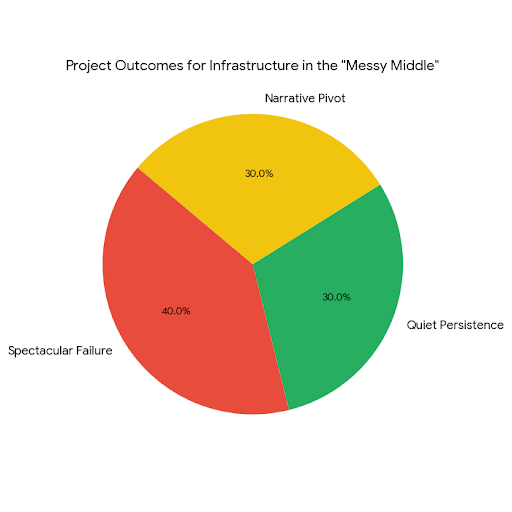
I’m skeptical, but I notice patterns. Systems that sit in the messy intersections—where verification meets distribution—either fail spectacularly or quietly persist. That persistence doesn’t feel sexy, and it rarely makes headlines, but it has a quiet power. You don’t hear about infrastructure until it matters, and then you realize it was holding everything together while the noise played out elsewhere.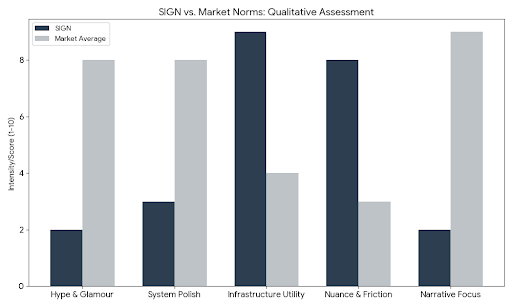
I’m not saying SIGN will survive. I’m not even saying it should. I’m saying it’s one of the few projects I’ve seen that is actually living inside the friction rather than just telling stories about it. And that matters in a market that prefers narrative over nuance. The question is whether it can handle the edges: the users who try to cheat, the systems that refuse to integrate smoothly, the incentives that always try to rewrite themselves. Those edges are where crypto proves itself—or dies.
I don’t know how it will play out. Most projects like this get overlooked until some crisis exposes the gaps, or the market finally notices what’s actually functional. Maybe SIGN will fade. Maybe it will quietly hold the space that nobody else wants to manage. That’s the thing about utility in crypto—it’s rarely flashy. It’s rarely rewarded. But if it persists, it quietly shapes everything around it. And I’m watching, mostly because these are the kinds of patterns you notice when you’ve been around long enough to see all the other stories burn out.