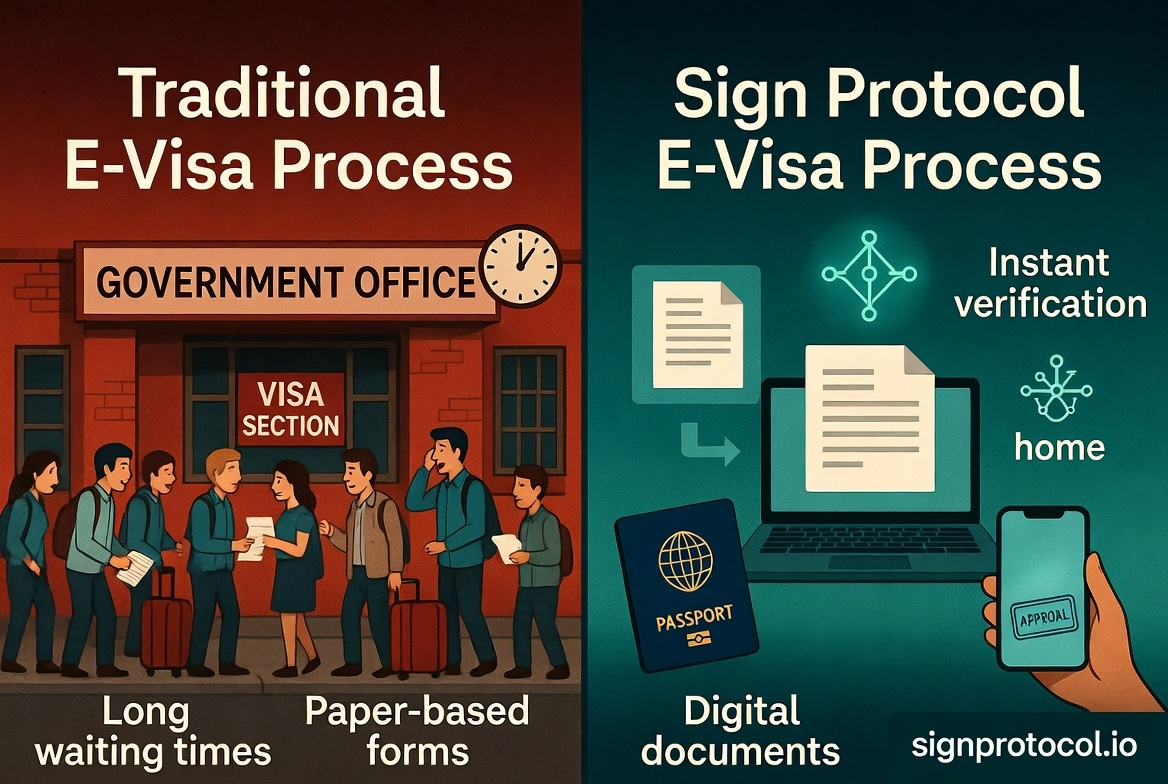
When I first looked into eVisa systems I did not think I'd find anything interesting. For years getting a visa has been slow and frustrating. People visit offices wait in lines fill out forms again and again and deal with confusing instructions from staff members. It feels like a system designed decades ago that refuses to change.
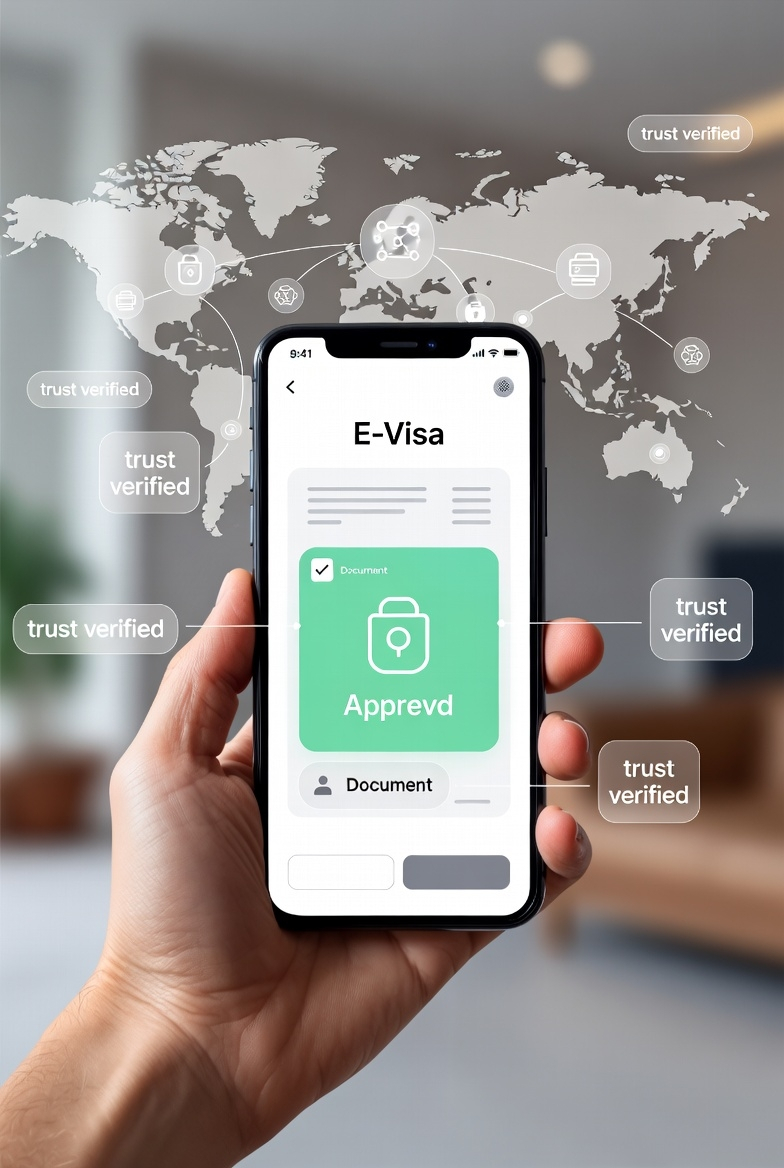
That is why using $SIGN Protocol for eVisa approvals caught my attention. A user can upload documents online while the protocol handles verification and approvals in the background. The traveler submits their information the system verifies documents through trusted issuers and the approval process moves forward without delays.
However most countries still use centralized systems for e-Visa processing. Governments prefer systems they understand because older institutions adopt technology slowly. Even though digital infrastructure is improving global adoption is far from being a standard.
Another point is that technology is not always perfect. Government websites sometimes freeze, uploads fail or confirmation pages do not load properly. When this happens during a visa application people feel stuck without help or support. Projects like Sign Protocol need to prove their reliability because if something breaks users need solutions and real support.
Despite challenges the idea behind Sign Protocol is powerful. It helps verify documents, identities and approvals in an transparent way. The user has direct control over their data. Trust becomes something that can be verified through the network than paperwork.
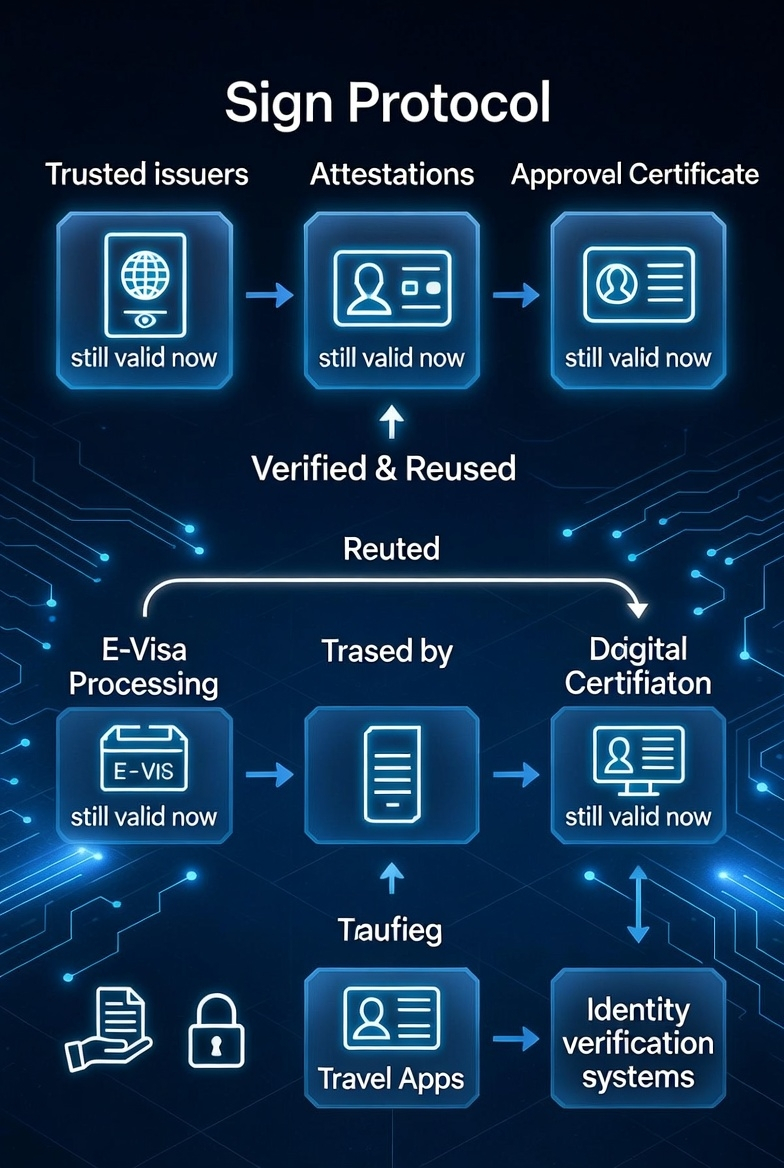
What makes this approach interesting is that it looks at verification as a lifecycle, not a one-time action. Most systems check information once. Then forget about it.. In real life things change. Documents expire, permissions update and eligibility conditions shift over time. Sign Protocol focuses on checking whether something is still valid now.
This is why the project is often misunderstood when people describe it as a registry. It works like reusable trust infrastructure where verified information can be referenced again across different applications, services and institutions.
Important questions remain. Who verifies the issuers that create these attestations? What happens if a proof becomes outdated or incorrect?. How quickly can the system respond when errors appear? These details will decide whether the technology becomes widely trusted.
In the end the potential is clear. If infrastructure like Sign Protocol continues to improve security, reliability and real-world integrations e-Visa applications could become simpler and less stressful.. The key is patience. Users should take time to understand the technology and verify the information they submit.
Because in systems just like in real life trust is not only about building technology. It is, about proving that the technology works when people need it the most.