I didn’t come across SIGN because of hype. I found it the way I usually find the stuff that actually sticks slowly, a bit skeptical, after seeing too many projects promise the world and then quietly disappear when real pressure hits.
What pulled me in wasn’t another flashy “identity solution.” It was the specific problem it’s trying to fix: how the hell do we prove something in digital life without handing over way more than we need to?
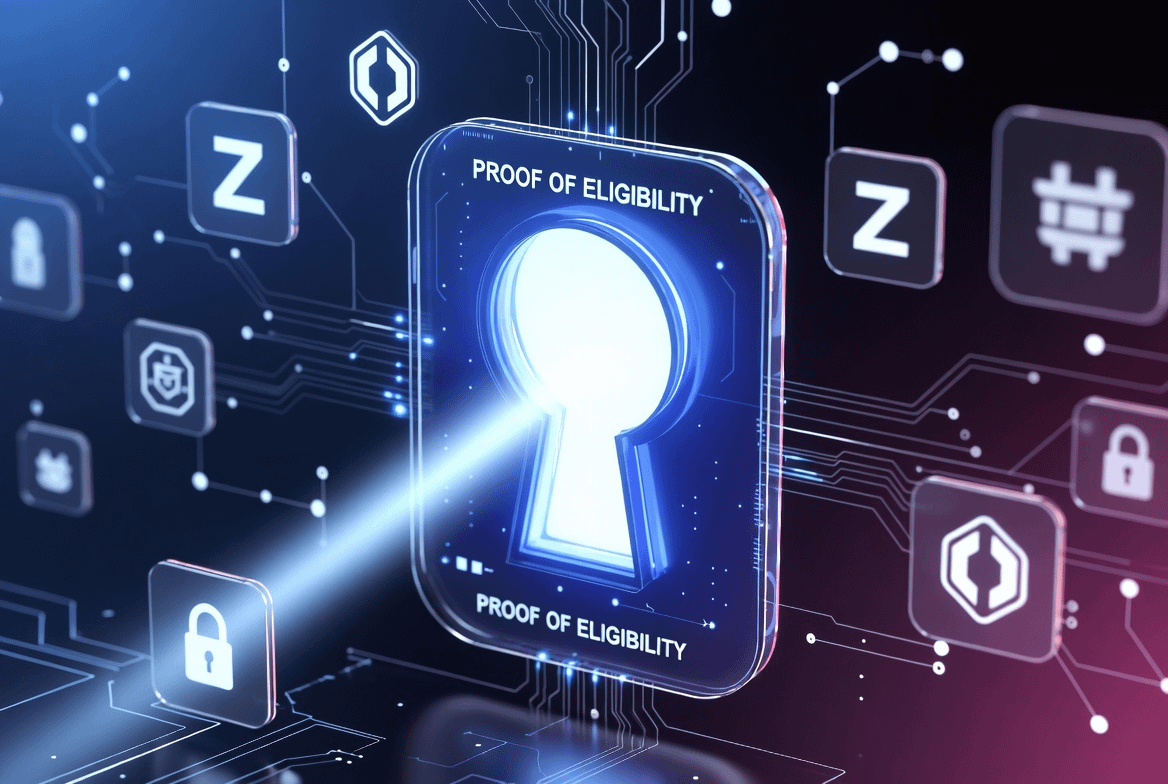
Right now, most systems still force you into the same crappy choice. Either you trust some central authority to speak for you, or you overshare your data just to prove one tiny detail. One creates dependency. The other creates risk. SIGN tries to sit right in the middle by letting you do selective disclosure prove exactly what’s required, nothing more.
That idea sounds almost too simple, but the more I sat with it, the more I realized how badly we’ve been missing it.
Take healthcare. I’ve watched friends have to hand over their entire medical history just to prove they qualify for one treatment or program. With SIGN, a trusted doctor issues a credential, and you only share the proof of eligibility. You keep control of your actual data. That’s not just privacy, it feels like a real shift in power.
I see the same thing happening with AI. As these systems get smarter and hungrier for data, the questions around provenance and permission are getting impossible to ignore. SIGN lets datasets carry credentials that say “you can use me for this, but not for that” without exposing the full contract or raw information behind it. Cleaner, safer, and way more practical.
Even in Web3 token distributions, something I’ve seen get gamed endlessly SIGN changes the game. Instead of relying on easily faked metrics, projects can tie eligibility to real, verifiable credentials. It doesn’t eliminate bad actors completely, but it makes the whole thing much harder to abuse.
What I like most is how it cuts down on repetition. I’m so tired of proving the same damn things over and over across different platforms. If SIGN delivers, I carry portable credentials once and they just work everywhere. No more starting from zero every time.
Of course, it’s not perfect. Adoption is still the big question mark, this only works if enough issuers and platforms actually use the same schemas. And user experience has to feel invisible, not like some complicated crypto puzzle. Even with ZK proofs, privacy isn’t bulletproof; patterns can still leak.
But here’s what I respect most: SIGN doesn’t pretend it’s rebuilding the entire internet. It’s just a clean, integrable layer that other systems can actually plug into. In a space full of grand overhauls, that quiet, practical approach feels way more honest.
I’m not calling it the final answer. But it’s one of the few projects quietly fixing a real, painful friction instead of adding more noise.
And that’s why I keep watching.
#SignDigitalSovereignInfra $SIGN @SignOfficial