
The other day I connected my wallet to a new app, and it felt oddly familiar — not in a good way. It was the same process all over again. Sign a message, verify something, check eligibility. I’ve done it so many times, but every new platform makes it feel like none of that history exists.
That’s what’s strange about Web3 right now. In real life, your identity carries forward. If you’ve done something before, it usually counts somewhere else. But here, it doesn’t really matter how much you’ve explored or contributed. Each new app treats you like you’re starting from zero.
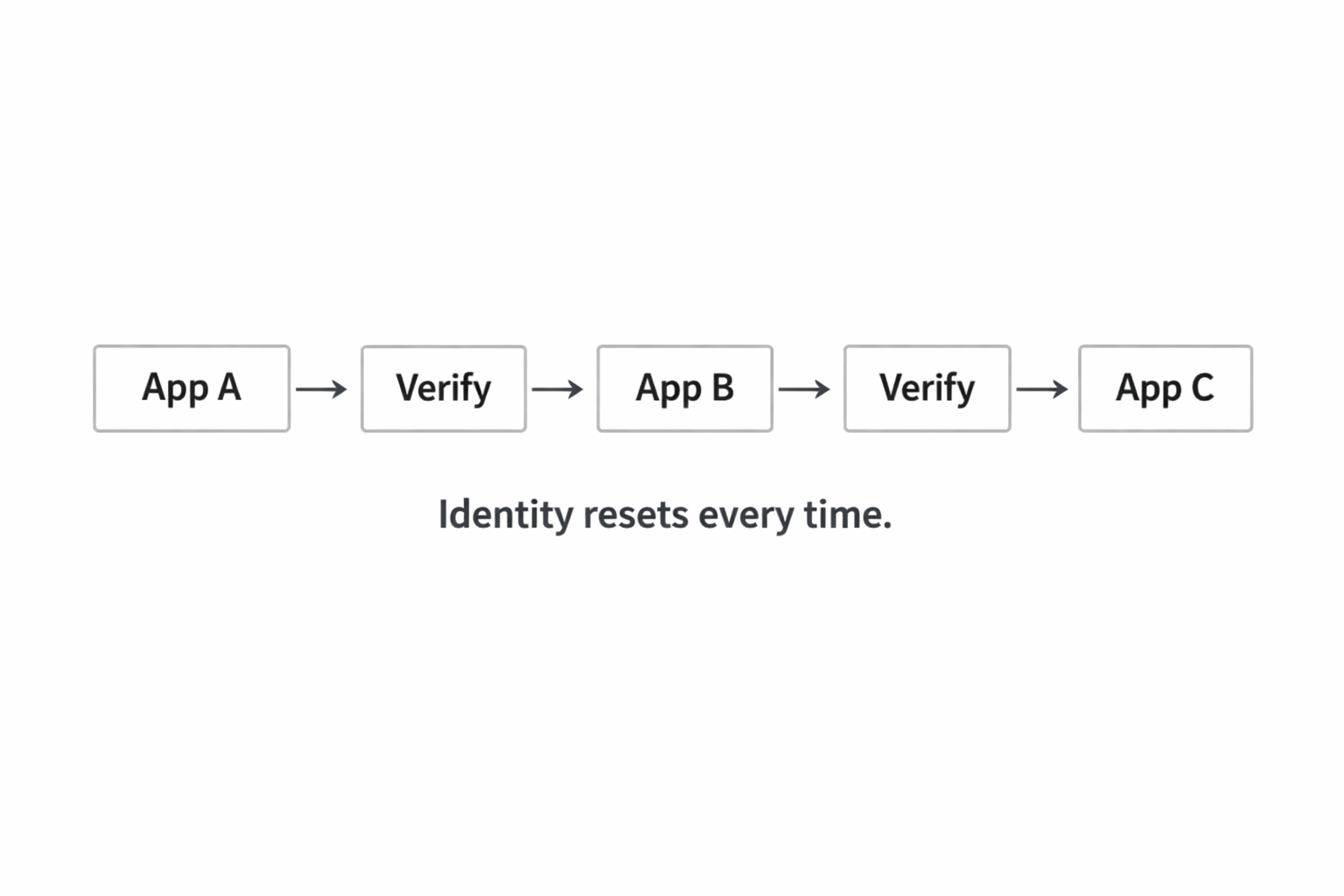
You don’t question it at first. You just go through the motions. But after a while, it starts to feel repetitive. Not because the steps are difficult, but because they never build on each other. Nothing compounds.
That’s where something like @SignOfficial starts to make more sense. The idea isn’t complicated — instead of repeating the same proofs again and again, what if your past actions could actually be reused across different places?
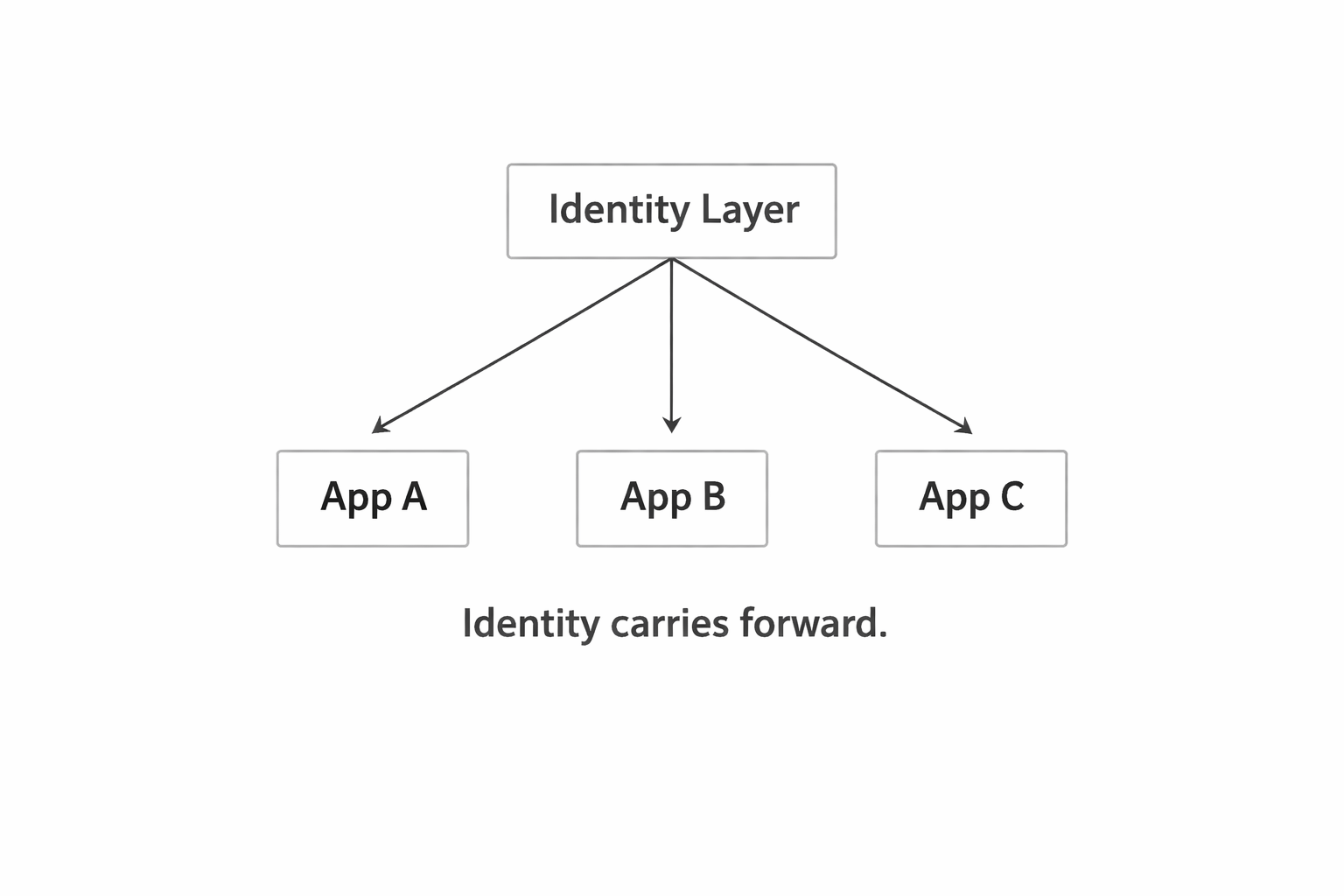
Not as raw data, but as something that carries meaning.
Because right now, even if you’ve built a track record somewhere, it doesn’t really follow you. You could be an active user in one ecosystem and still look like a complete newcomer in another. The system doesn’t connect those dots.
It’s not a dramatic problem, but it’s a constant one. And over time, it shapes how people interact. You stop expecting continuity and just accept the reset.
Maybe that’s the bigger issue. Not that identity doesn’t exist in Web3, but that it doesn’t persist in a way that actually helps you move forward.
If that changes, the experience changes with it. You’re no longer repeating yourself everywhere you go. You’re actually building something that carries.
$SIGN #SignDigitalSovereignInfra
