
Today, March 28, the global markets faced a new reality: the threat of blocking key oil routes has driven up energy prices. Global trade has entered the zone of an 'ideal storm.' The blockage of the Strait of Hormuz, through which 21% of the world's oil consumption passes, is not just a logistical delay. It is a detonator for the restructuring of the entire financial system.
1. Macroeconomic shock: The domino effect
Fiat markets react instantly. The rise in oil prices above $110 per barrel automatically drives up freight costs and ship insurance.
Inflation shock: Central banks (Fed, ECB), which have only just begun to lower rates, are forced to tighten the screws again. This is a 'bearish' signal for the stock market (S&P 500) as liquidity becomes expensive.
Crisis of settlements: In conditions of transport chaos, classic SWIFT becomes too slow. Traders need money 'yesterday' to redirect flows, but bank compliance checks in a geopolitical crisis drag on for weeks.
2. Crypto market: From 'risk asset' to 'defensive protocol'
Traditionally, crypto falls with the stock market in moments of panic, but 2026 dictates new rules:
Liquidity beyond borders: When physical routes are blocked, capital flows into limitless rails. We see an abnormal increase in demand for stablecoins and payment protocols. Investors are fleeing not 'into Bitcoin,' but into 'settlement infrastructure.'
RWA (Real Assets): The blockade accelerates the tokenization of raw materials. Traders begin issuing digital invoices for oil and gas that are traded on the blockchain while the tankers themselves are anchored. This allows for maintaining capital turnover even if the goods are physically stuck.
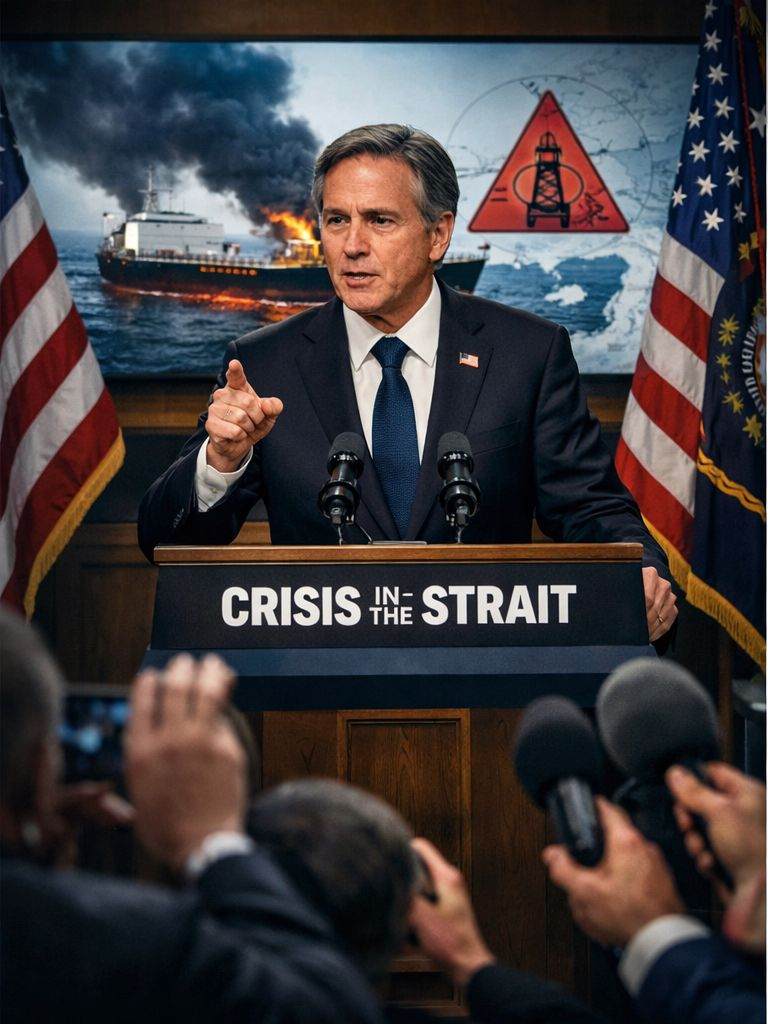
Exactly five years ago, in March 2021, the blockage of the Suez Canal showed the fragility of global supply chains. At that time, it caused a brief spike in prices. However, the current situation in 2026 differs in scale: this is not an accidental accident, but a systemic geopolitical rupture. History teaches: in moments when 'physics' breaks, 'digitals' take over dominance.
XLM in the face of a potential crypto storm.
While the US stock market is painted red, crypto enthusiasts are closely monitoring Stellar (XLM). Why? The answer lies in the change of capital logistics.
Crisis of trust in fiat
When oil becomes a tool of politics, trust in classic currency settlements declines. The speed and transparency of blockchain are what global trade needs in moments of chaos.
Analyst Cathy Wood (ARK Invest) emphasizes:
"We see capital fleeing from oil futures into digital assets. This is not just speculation; it is a search for security in a code that cannot be blocked or sanctioned."
Exactly two years ago, we saw a similar picture: when regional banks in the US began to fall one after another, Bitcoin and Stellar showed explosive growth. Those who timely shifted assets into 'digital gold' and payment protocols preserved their savings while fiat depositors waited for help from the Fed. Today's oil crisis is just a new twist in the same scenario.
Verdict:
The blockade of routes in March 2026 is a catalyst for the global transition to digital rails. Traditional markets will be in turmoil until they adapt to operate without reliance on maritime bottlenecks. While oil seeks a new bottom (or peak), XLM confirms its status as a 'safe haven' for transfers. Don't focus on local volatility — focus on the fundamental shift.
The analysis is prepared by the Misty Carrousal Feiq team.