

I think most people are looking at SIGN the wrong way.
The usual debate is simple:
Either SIGN wins because Sign Protocol becomes the standard,
or it wins because products like TokenTable dominate.
But that’s not where the real edge is.
The edge is in the moment where verified truth turns into real action.
Because if you look closely, both sides on their own are fragile.
Protocols spread fast, but they don’t stay owned.
If Sign Protocol succeeds, it becomes infrastructure something everyone uses, not something SIGN controls. That’s good for adoption, but weak as a moat.
Products, on the other hand, feel strong at first.
TokenTable solves real pain distribution, eligibility, compliance the kind of messy problems most teams struggle with. That creates immediate pull.
But product advantages decay.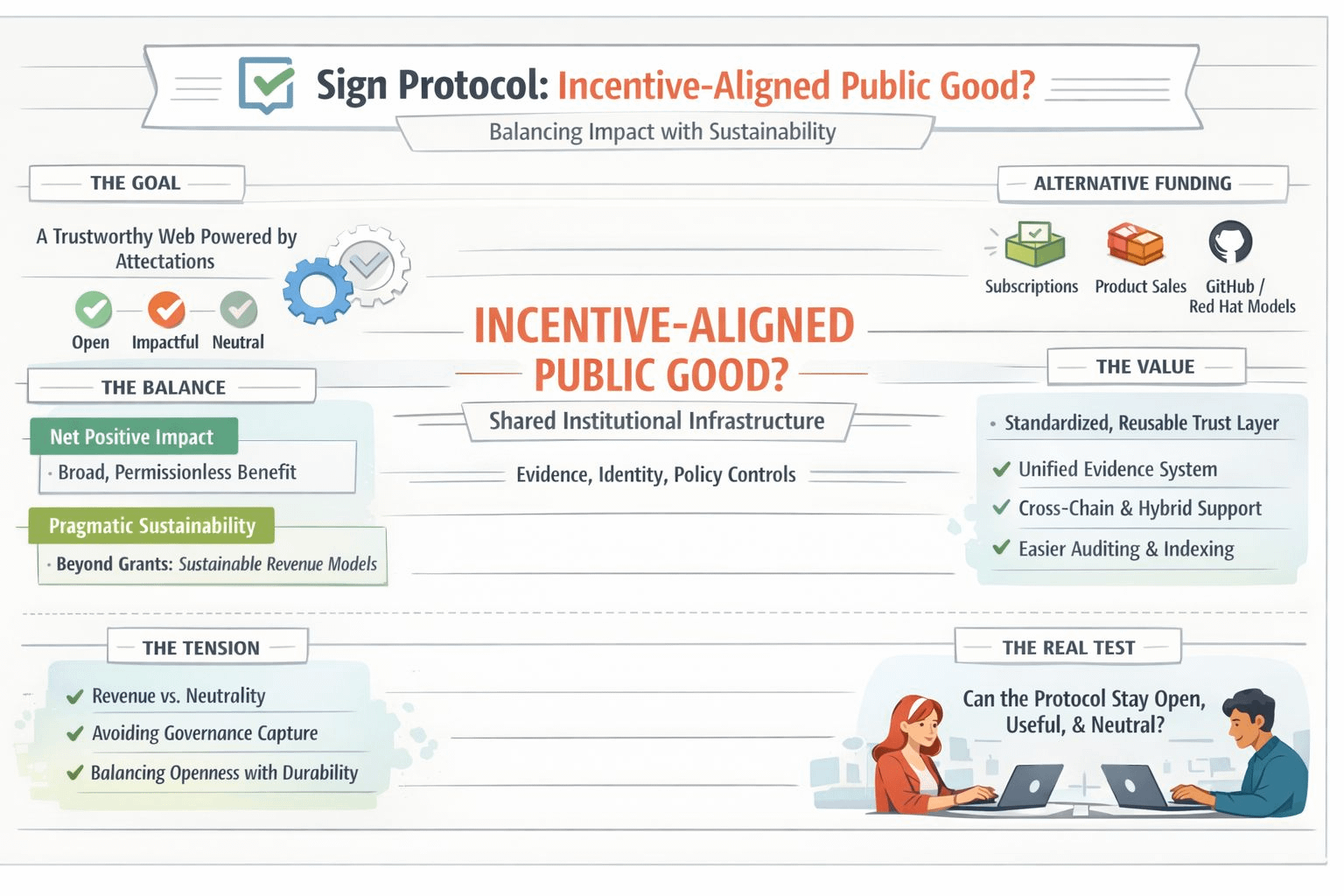
Once the workflow is understood, others can rebuild it.
So neither side holds long-term defensibility alone.
What matters is the connection.
Sign Protocol is where something becomes true.
TokenTable is where that truth becomes usable.
And that transition from “provable” to “actionable” is where most systems break.
A proof can exist and still not be trusted.
A credential can be valid and still not be usable.
The gap between verification and execution is where friction lives.
SIGN is quietly positioning itself inside that gap.
TokenTable isn’t just a product layer.
It’s an execution layer for verified data a place where decisions actually happen, where mistakes have real cost.
And that changes the game.
Because when money, access, or distribution is on the line, people don’t optimize for openness or features. They optimize for reliability.
That’s where the real moat starts to form.
Not by locking users in, but by becoming the safest place to act on shared truth.
At the same time, the protocol stays open enough to move.
Anyone can verify. Anyone can build. Anyone can reuse the data.
But acting on that data?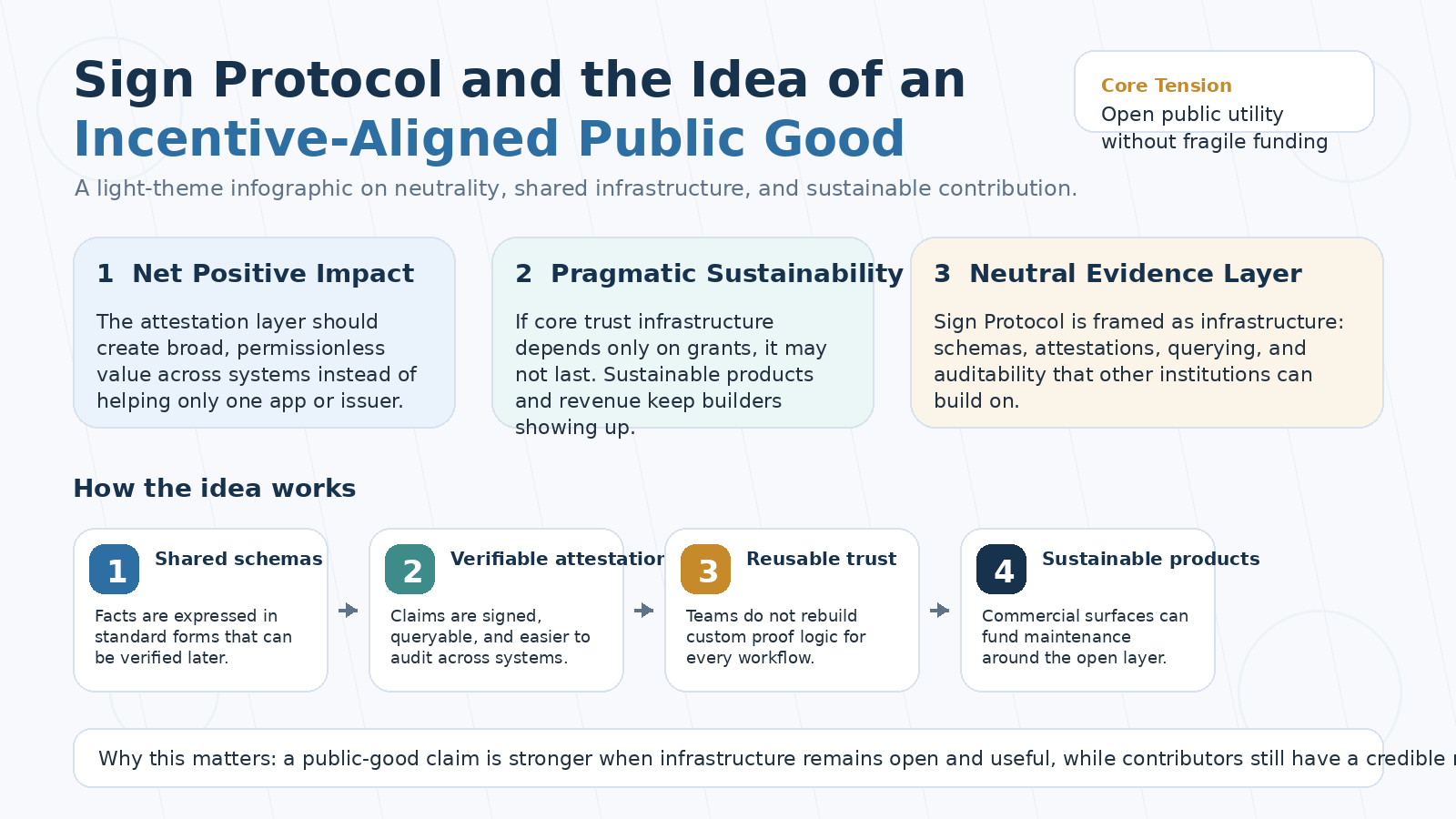
That’s where SIGN competes.
And if they get this balance right, they create something much harder to replace:
A system where truth is portable,
but execution is trusted.
That’s not a typical crypto moat.
It’s not ownership. It’s not lock-in.
It’s dependence built on consistency.
Because in the end, people don’t stick with a system because they have to.
They stick with it because it keeps working
especially when it matters most.
