

Before we start today's article, let's do a test to see if you're a gambler:
In front of you are two buttons, one green and one red
Pressing the green button, 100% gain of 1 million
Pressing the red button gives a 50% chance of gaining 2 million and a 50% chance of gaining 0
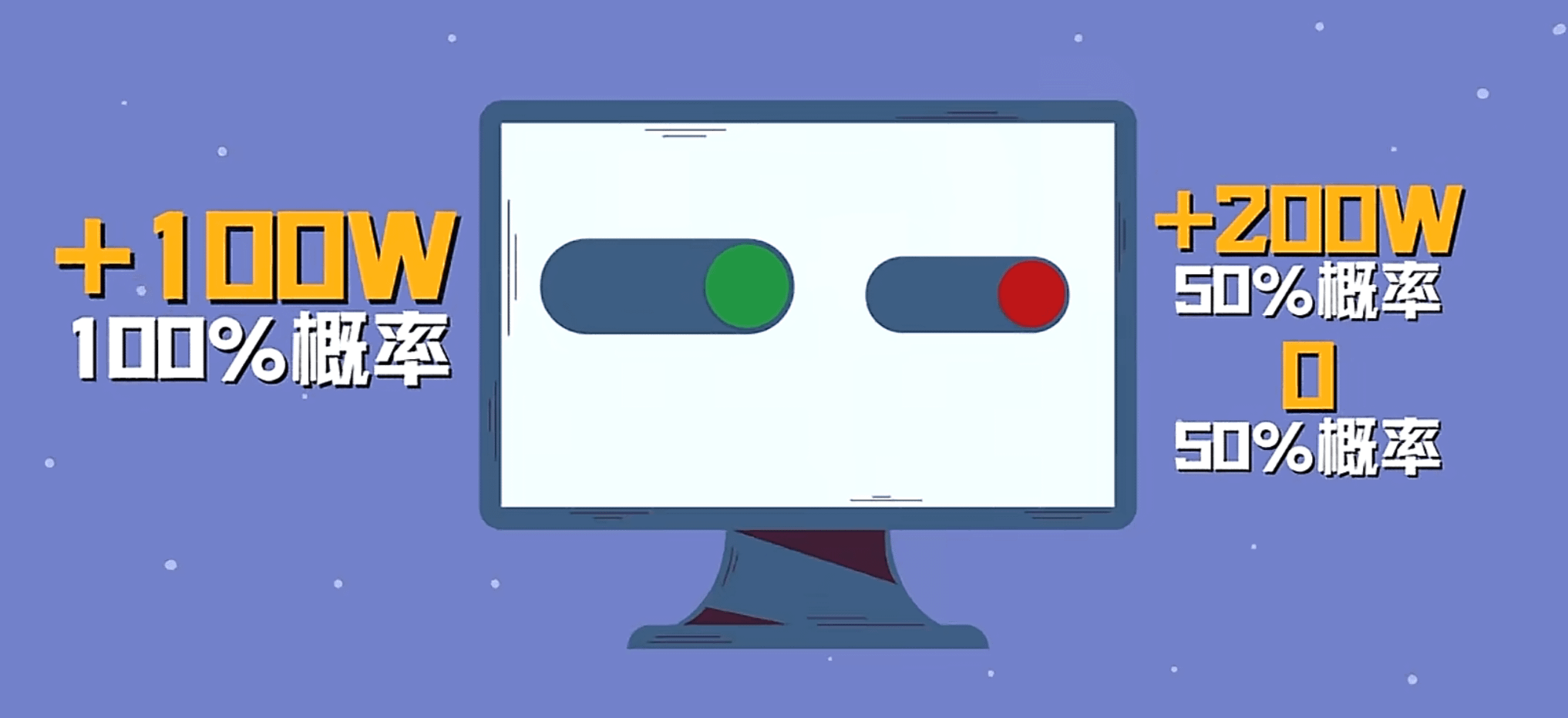
Which one will you press?
3
2
1
State your answer
I guess 90% of people will choose to press the green button, securing the win, it's human nature.
Well, let's ask the question in another way, still with two buttons, green and red
Pressing the green button means 100% debt of 1 million
Red button pressed 50% debt 1,000,000, 50% debt 0
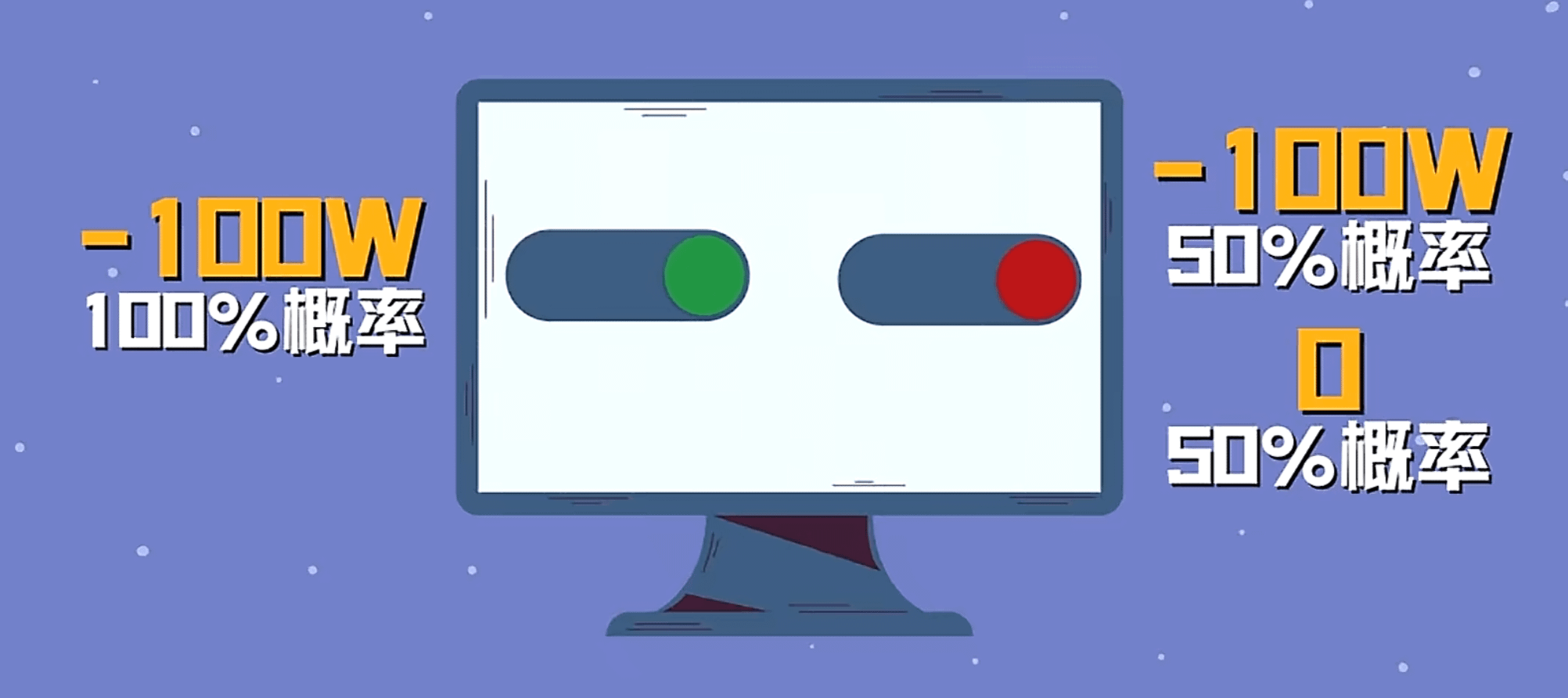
3
2
1
State your answer
I guess 90% of people would go for a red one; has your gambling nature been exposed instantly? Why did you turn from a conservative player to an aggressive gambler just by changing the wording? Because you are controlled by a psychological devil: loss aversion! This devil is what makes you run away after making money faster than anyone else.
When the account just turned red, a small pullback makes you quickly take the profit, resulting in perfectly missing the subsequent main upward wave because you are afraid of losing what you have gained. But once you lose money, you can bear it more than anyone else! You tell yourself that as long as you don't sell, it's not a real loss. From floating loss to deep entrapment, from deep entrapment to margin call, have you noticed? From small profits to running away, to large losses while holding on, the root of these two behaviors is the same—you are afraid of loss, and you dare not face it. This is human nature! And in the trading market, relying on human nature is a dead end; the outcome is already predetermined.
So how can one escape this fate of being a '韭菜'? Avoid small profits and large losses?
The answer is just two words: system.
A professional trader must answer these five questions one by one like a machine before opening a position and obtain clear and definite answers.
1. Trend
Is the current main trend upward or downward? What is the basis for judgment? What stage is the current trend in?
In an upward trend, they only consider going long.
In a downtrend, they only consider shorting.
This first step directly filters out more than 50% of the counter-trend noise and wrong opportunities in the market. If you still cannot judge, please continue to follow my articles. In the next issue, we will discuss how to judge trend energy.
2. Key level
After the long-term trend has determined the direction, they will not blindly chase highs and lows. They will patiently wait for the price to pull back or rebound to the pre-planned key positions, which are high-probability support or resistance levels. They only act in these high-value areas and will never make any decisions halfway up the mountain.
3. Signal
In a short time frame, when the price reaches a key level, they still will not immediately enter the market. They need to wait for a clear entry signal that complies with their system rules as confirmation. This might be a bullish engulfing candlestick pattern, a hammer line indicating a bullish signal, or any high-probability signal defined and validated in their system. This signal is the only instruction for whether to open a position.
4. Stop-loss and take-profit
At the moment of confirming the signal and preparing to enter the market, two numbers must be set with ironclad rules. Once the price touches them, the system executes automatically, leaving no room for negotiation.
5. Position management
They will calculate how large a position they should open to ensure that this trade, even if it stops out, results in a loss that is only a controllable proportion of the account funds, such as 2%.
When the five links of trend, key level, signal, position management, and stop-loss/take-profit form a complete closed loop, trading is no longer an emotional gamble. Each fluctuation of the candlestick is only verifying the effectiveness of this system. Therefore, they can hold their positions because they trust not luck, but this system that has been tempered through countless trials.
Now that you understand this decision-making process of professional players, do you think writing these five points in your notes and sticking them next to your monitor will solve the problem? Let me ask you a few questions:
When the market has pulled back three times in a row, and each time nearly hit your stop-loss, can you still hold your position firmly like the first time?
When the floating profit of the account exceeds your monthly salary, can you really suppress the voice in your head that says, 'Take the profit, don't be greedy'?
When you have consecutive losses five times, and on the sixth time, an opportunity that perfectly matches your system's signal appears, do you still have the courage to enter the market without hesitation like the first trade?
Very difficult!
Because what you lack is never the method; what you lack is an environment that can engrain the method into your bones, an external force that can forcefully impose discipline and rules upon you. This is precisely the purpose of my writing this article! Search for Chenbo辰镈 in Binance Square, I will be live streaming every day at 8 PM. You will practice intensively with many other traders and invite numerous industry experts to provide professional real-time answers during the live stream, conducting strict error correction until you engrain these five stages from knowledge in your brain into your bones, becoming your subconscious trading instinct. Ultimately, you will become someone who can control their hands and heart in any market situation and execute their system as a stable trader!
