


I know it’s kinda harsh, but most credential projects look brilliant on paper and then choke the moment real volume hits. they start with nice ideas “decentralized proof for everything” but scale exposes the cracks no one wants to talk about. storage costs explode when every little claim needs to live forever on-chain. verification latency turns into user friction when millions try to prove something at once. privacy leaks happen because the system was never built to hide what it shouldn’t show. and governance quietly centralizes because someone still has to decide which schemas are “official.” suddenly the shiny new credential layer feels exactly like the old centralized database it was supposed to replace just more expensive and slower.
the pattern repeats across the space. teams ship fast, raise loud, tweet the vision. then adoption tries to happen and the stack buckles. off-chain oracles get gamed. on-chain everything becomes a gas nightmare. cross-chain promises turn into bridge hacks or endless sync delays. the result? projects that worked great for 10,000 users die trying to serve 10 million. or worse they survive by adding middlemen again, which defeats the whole point. effort, reputation, identity, income all the things that should travel freely stay trapped because the infrastructure couldn’t handle the weight.
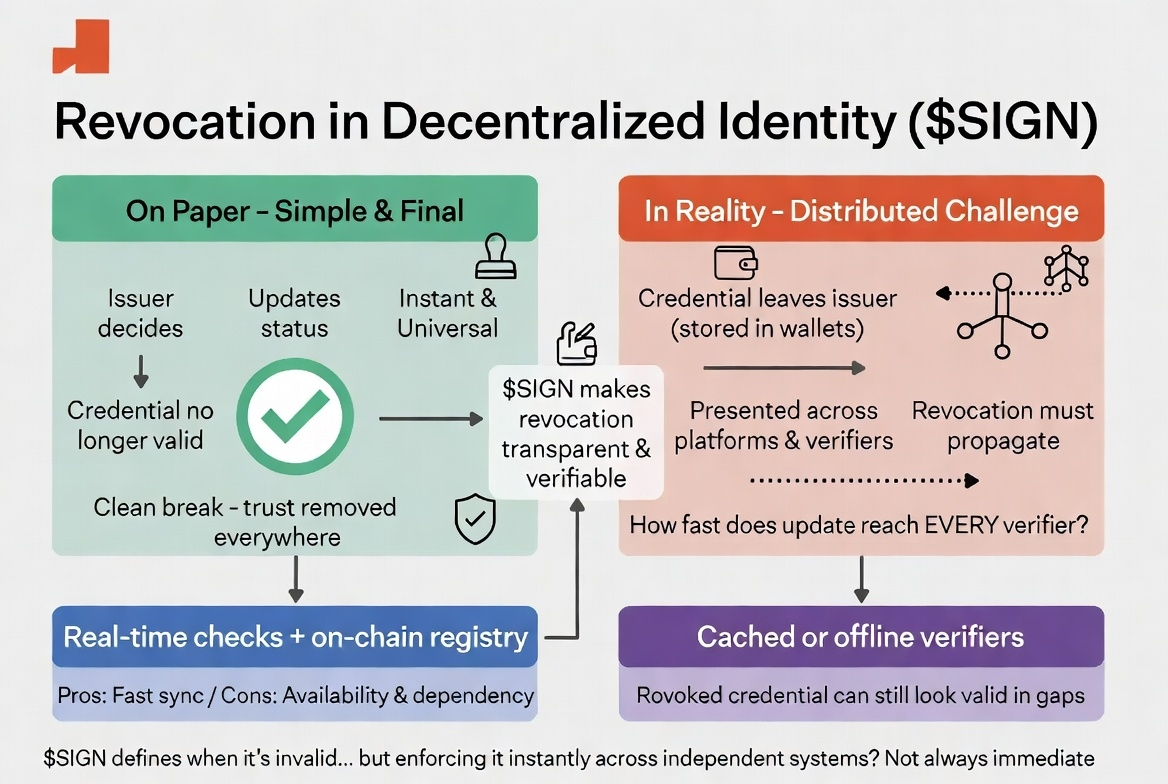
$SIGN was clearly built by people who had already watched this movie. instead of chasing the usual “everything on-chain” purity test, it went for a hybrid stack that actually survives nation-sized pressure. the attestation layer doesn’t try to store every raw detail forever; it defines clean schemas first so data has shared meaning from day one — no more “same credential, different interpretation” chaos that kills interoperability at scale. storage splits the load intelligently: off-chain for the heavy lifting where speed and cost matter, anchored on-chain only for the immutable proof that can’t be faked. that single decision alone dodges the gas-tax trap that buries most competitors before they ever leave the testnet.
then the infrastructure layer does the boring-but-brutal work most teams skip. sdk’s that actually abstract away the complexity, an indexer that lets apps query without hammering the chain, an explorer that doesn’t require a phd to read, and multi-chain tooling that keeps the same schema logic consistent everywhere instead of forcing devs to rewrite trust rules per network. this is the part that decides whether the system scales quietly or dies in public. when governments or large institutions plug in, they don’t want to debug your stack they want it to just work under load, today and next year.
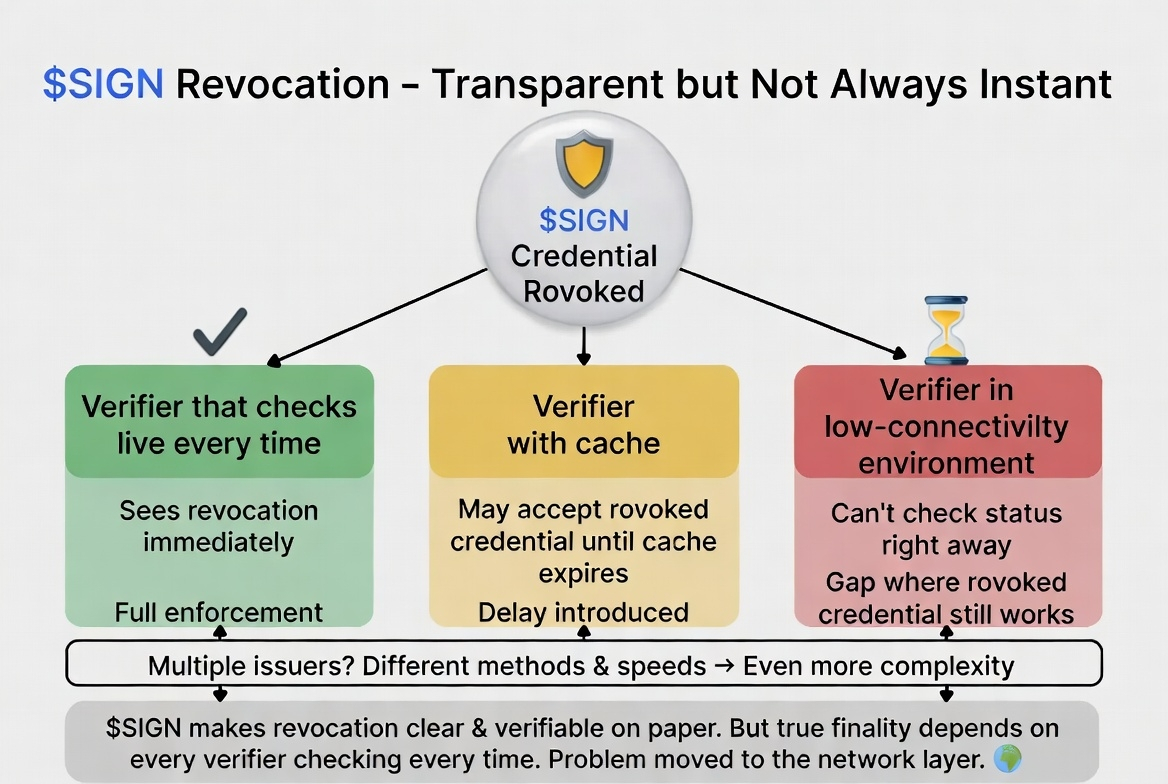
add the zero-knowledge layer and the picture sharpens. you can now prove a fact degree, income bracket, citizenship status, contribution history without dragging the entire personal dataset into the open. that’s not marketing fluff; it’s the difference between a system nations will actually trust with sensitive credentials and one they’ll reject on privacy grounds alone. combine it with TokenTable’s battle-tested distribution engine (already moved billions across millions of wallets) and EthSign’s tamper-proof agreements, and suddenly you have a full stack that handles verification and the mass token outcomes that follow without collapsing under its own success.
most credential systems die at scale because they were never engineered for the moment when the crowd shows up and the stakes become sovereign. $SIGN looks quiet precisely because it’s carrying the weight upfront hybrid design, schema-first thinking, privacy-native proofs, and dev-friendly infra that governments and institutions can actually bet on without rewriting their entire digital strategy later.
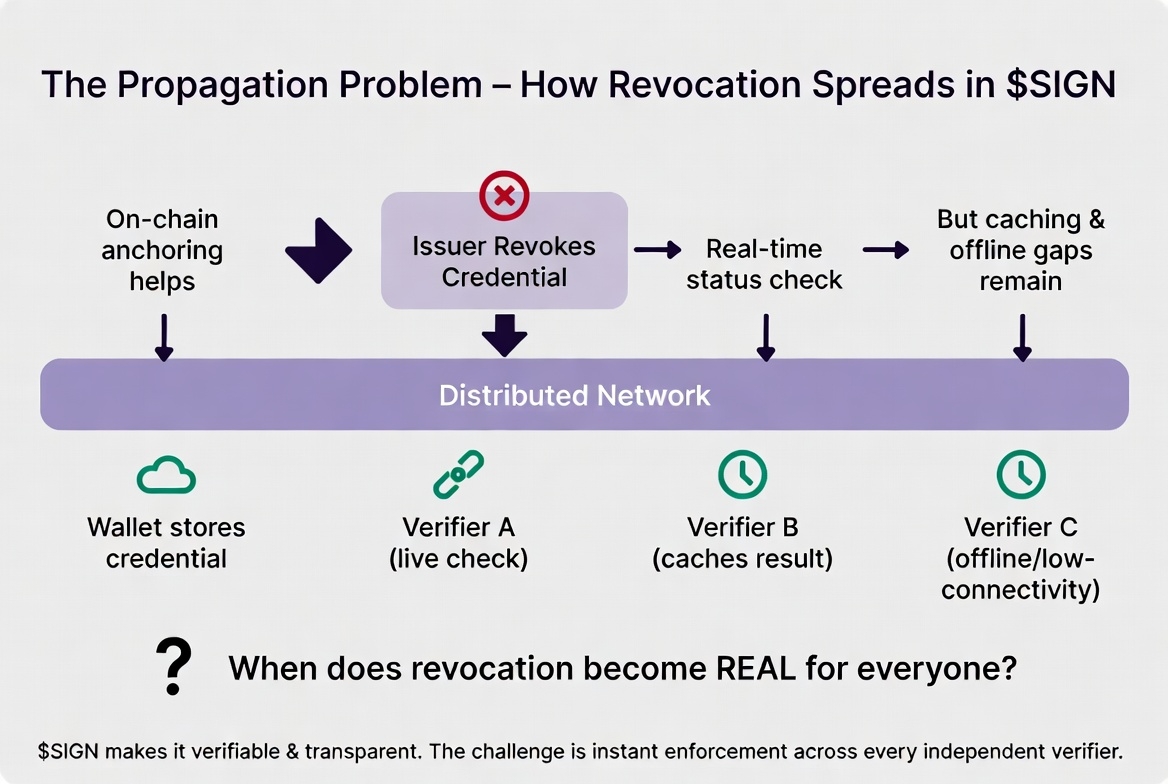
the market still chases narratives and quick pumps. meanwhile the systems that survive the next decade of real digital nations are the ones being built like this not loud, just unbreakable.