
I’ve started noticing something uncomfortable.
Most people don’t really understand the systems they rely on.
Not deeply.
Not structurally.
They use them. They trust them. They interact with them every day. But if you ask how those systems actually decide things, how they verify information, how they determine outcomes, the answers usually stop at the surface.
And honestly, I include myself in that.
I didn’t think much about verification layers until I started digging into SIGN.
Before that, I assumed most systems just “worked.” If a wallet qualified, it qualified. If a reward was distributed, it made sense. If access was granted, it was deserved.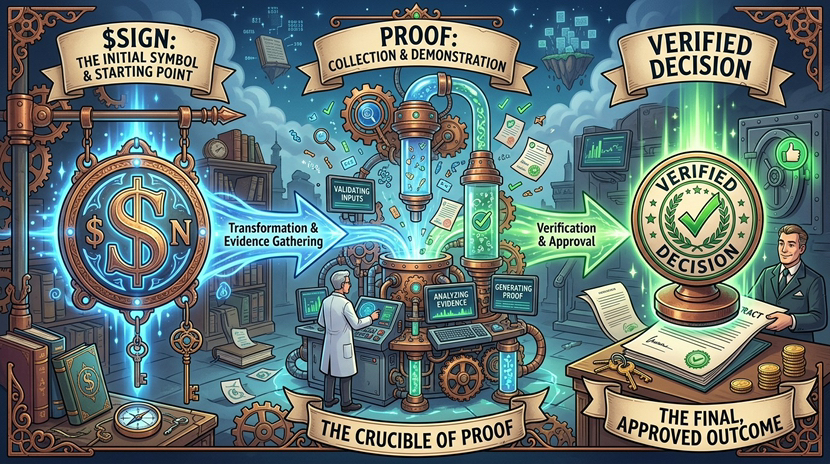
Now I’m not so sure.
Because the deeper I looked, the more I realized how many of those decisions are built on weak assumptions. Not malicious, just incomplete. Systems doing their best with limited ways to define truth.
That’s where Sign Protocol started to stand out to me.
Not because it’s flashy.
But because it focuses on something most users never think about.
How does a system actually know something is true?
That question sounds simple.
But it’s not.
Every system has to answer it.
And most of them answer it poorly.
They rely on proxies. Activity. History. Surface signals. Patterns that look meaningful until someone figures out how to manipulate them.
That’s the awareness gap.
Users think systems are precise.
Systems are often approximate.
The more I thought about it, the more I realized this gap creates two problems at the same time.
First, users trust outcomes they don’t fully understand.
Second, systems make decisions they can’t fully justify.
That’s not sustainable long term.
And that’s why SIGN feels like it’s operating in a different layer.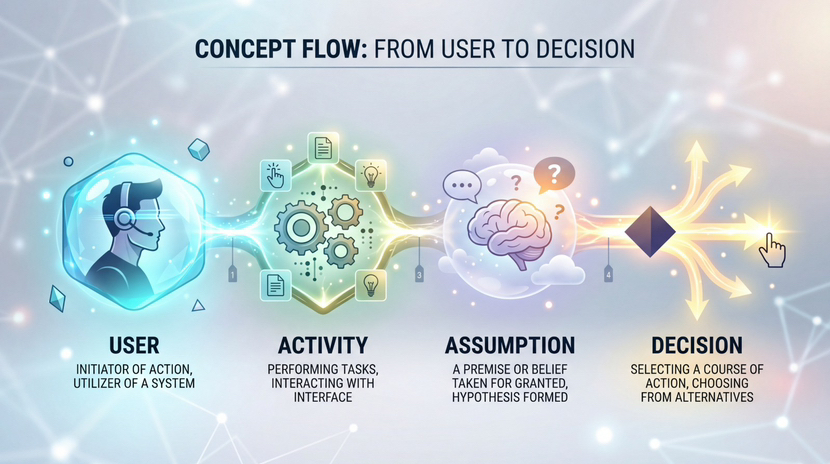
Instead of guessing, it allows systems to define and verify claims directly. Through attestations. Through structured evidence. Through logic that can actually be checked instead of assumed.
It’s not solving everything.
But it’s solving the right problem.
The awareness gap matters because it shapes expectations.
If users believe systems are fair, they don’t question outcomes. But once inconsistencies appear, trust breaks quickly. And once trust breaks, it’s hard to rebuild.
I think that’s where crypto is heading.
More complexity. More users. More value flowing through systems.
And with that, more pressure on how decisions are made.
That’s when hidden layers stop being optional.
They become critical.
The interesting part is that most people still won’t notice.
They won’t talk about attestations. They won’t think about verification logic. They won’t care about evidence layers.
They’ll just notice when things feel fair.
Or when they don’t.
And that’s enough.
The more I research SIGN, the more I see it as infrastructure designed for that moment.
Not when everything is working.
But when systems are forced to become more precise.
Because eventually, every system reaches that point.
Where “good enough” stops being enough.
And that’s when understanding catches up with reality.
@SignOfficial #SignDigitalSovereignInfra $SIGN
